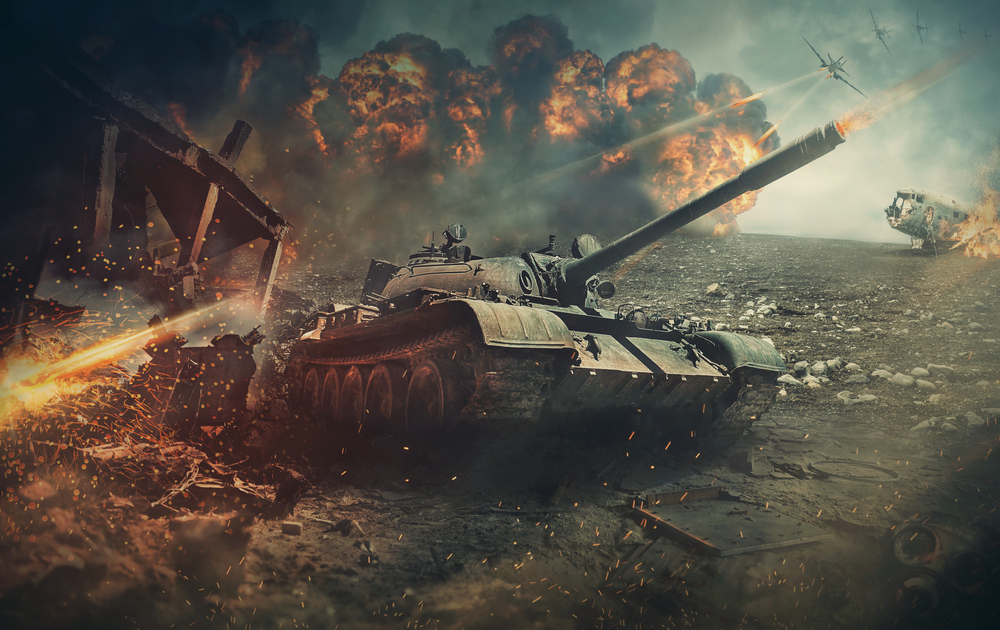
The Shift From Heroism to Survival in War Cinema

War cinema has always been about more than battles. It reflects how societies understand conflict, morality, and the human cost of violence. In its earliest and most influential forms, war films framed combat as a proving ground for heroism, sacrifice, and national identity. Soldiers were depicted as larger-than-life figures who endured hardship in service of noble causes. Over time, however, this vision began to fracture. As audiences grew more skeptical of grand narratives and as historical distance revealed the brutal realities of warfare, war cinema underwent a profound transformation. The focus shifted from heroic triumph to raw survival, from myth-making to endurance, from glory to trauma.
This shift did not happen overnight. It emerged gradually, shaped by changing political climates, new filmmaking techniques, and evolving cultural attitudes toward authority and violence. Modern war films are less concerned with celebrating victory and more interested in asking whether survival itself is a form of victory. They depict soldiers not as symbols, but as vulnerable human beings navigating chaos, fear, and moral ambiguity. Understanding this evolution reveals how cinema mirrors society’s changing relationship with war itself.In a similar way, veteran apparel often moves away from overt symbols of heroism toward subtler expressions of experience and resilience, mirroring how modern war cinema trades spectacle and myth for authenticity, memory, and the quiet weight of survival.
Classical War Cinema and the Construction of Heroism
Early war cinema was deeply invested in constructing heroic narratives. In the first half of the twentieth century, especially during and after the World Wars, films often served patriotic and ideological purposes. Heroism was presented as clear, necessary, and morally unambiguous. Soldiers were brave, selfless, and committed to causes framed as unquestionably just. Even suffering was portrayed as meaningful, a noble price paid for freedom or national survival.
These films relied on strong narrative clarity. There were clear enemies, clear objectives, and clear resolutions. Battles were structured around moments of courage: the charge under fire, the last stand, the self-sacrificial act that saved comrades. Death, while present, was often sanitized or romanticized. Fallen soldiers were mourned, but their deaths were framed as purposeful and affirming rather than senseless.
Visually and structurally, classical war cinema reinforced this worldview. Sweeping musical scores elevated combat into spectacle. Camera angles emphasized unity and order, often framing soldiers as cohesive groups rather than isolated individuals. Commanders were wise and resolute, and hierarchy was depicted as stabilizing rather than oppressive. The battlefield became a stage where virtue could be proven.
This heroic framing aligned with the needs of societies recovering from or preparing for war. Films reassured audiences that suffering had meaning and that moral clarity existed even in extreme violence. Questioning the legitimacy of war itself was rare, and when doubts appeared, they were often resolved through renewed commitment to duty.
However, this approach depended on emotional distance. It required viewers to accept abstraction: that millions could suffer so that a story of honor could be told. As real-world wars became more controversial and media coverage more immediate, this abstraction became harder to sustain. The heroic mold began to crack under the weight of lived experience.
The Cultural and Political Forces That Challenged Heroic Narratives
The shift away from heroism in war cinema cannot be separated from broader cultural and political changes. Wars like Vietnam fundamentally altered public perception of conflict, especially in societies where official narratives clashed with televised reality. For the first time, audiences saw war not as distant legend but as chaotic, morally confusing, and deeply personal.
Filmmakers responded to this disillusionment by questioning the assumptions that earlier war films took for granted. Instead of asking how heroes are made, films began asking what war does to people. The enemy was no longer always faceless or evil; sometimes the true antagonist was the system that placed soldiers in impossible situations. Authority figures became flawed, absent, or actively harmful.
This era introduced ambiguity as a central theme. Missions failed. Orders were unclear or irrational. Violence often felt pointless rather than redemptive. Characters survived not because they were noble, but because they were lucky, ruthless, or adaptable. Survival replaced heroism as the primary measure of success.
Stylistically, these films rejected polish. Handheld cameras, fragmented editing, and jarring sound design created a sense of instability. This aesthetic mirrored the internal states of characters who were no longer confident in their role or purpose. The battlefield was no longer a proving ground; it was a trap.
Importantly, this was not simply a cynical turn. It reflected a deeper empathy for soldiers as individuals rather than symbols. By stripping away heroic myth, filmmakers could explore fear, guilt, and moral injury. Audiences were invited not to admire war, but to endure it alongside the characters.
This period also broadened whose stories were told. Instead of focusing solely on officers or exceptional figures, films began centering ordinary soldiers, medics, and civilians. Their experiences emphasized endurance over valor, reinforcing the idea that surviving war is not glorious, but it is profoundly human.
Survival as the Central Narrative Engine
As war cinema evolved, survival became the dominant narrative engine. In these films, the goal is rarely victory in a strategic sense. Instead, it is escape, endurance, or simply making it to the next day. This shift dramatically alters how stories are structured and how characters are portrayed.
Survival-focused war films often minimize traditional plot arcs. There may be no clear beginning or end, no triumphant resolution. The narrative feels ongoing, unresolved, much like war itself. Characters may not grow in uplifting ways; they may become hardened, exhausted, or emotionally numb. The absence of transformation is itself a statement: war does not necessarily make people better or wiser, only changed.
Visually, these films emphasize physical vulnerability. Bodies are fragile, environments are hostile, and death can arrive without warning. Close-ups linger on fear, confusion, and pain. Long takes force audiences to sit with discomfort rather than escape into spectacle. This aesthetic reinforces the idea that survival is precarious and never guaranteed.
Moral clarity also dissolves. Acts of violence are often portrayed as instinctive rather than heroic. Characters may commit morally troubling acts simply to stay alive. The films do not always judge these actions, but they refuse to glorify them. Survival is depicted as morally costly, leaving lasting psychological scars.
Sound design plays a crucial role here. Instead of rousing music, silence, distant explosions, and disorienting noise dominate. These choices pull viewers into a sensory experience of uncertainty. The focus is not on what is accomplished, but on what is endured.
By centering survival, war cinema aligns itself more closely with lived reality. For most people who experience war, the primary concern is not heroism or ideology, but staying alive. These films honor that truth by refusing to elevate suffering into myth. They ask audiences to witness rather than celebrate.
What the Shift Reveals About Modern Audiences and Memory
The move from heroism to survival in war cinema says as much about audiences as it does about filmmakers. Modern viewers are more skeptical of grand narratives and more attuned to the psychological costs of violence. They are less interested in being told that war is meaningful and more interested in understanding its impact.
This shift also reflects changes in how societies remember war. Rather than focusing solely on victories and leaders, there is growing attention to trauma, displacement, and long-term consequences. War films contribute to this memory by shaping emotional understanding, not just historical awareness.
Survival-focused films encourage empathy rather than admiration. Viewers are not asked to cheer; they are asked to endure, reflect, and sometimes feel uncomfortable. This discomfort is intentional. It resists the temptation to turn war into entertainment without consequence. The lack of heroic catharsis forces audiences to confront the cost of conflict.
At the same time, this approach does not deny courage. It reframes it. Courage is no longer charging into battle; it is continuing to function under unbearable stress, protecting others when possible, and retaining fragments of humanity in dehumanizing conditions. This quieter, more fragile courage feels more honest to contemporary sensibilities.
The persistence of this trend suggests it is not a passing phase. Even films that return to historical wars often adopt a survival lens, emphasizing chaos over coordination and fear over fervor. The heroic war film still exists, but it now feels like a stylized exception rather than the default.
Ultimately, the shift from heroism to survival marks a maturation of war cinema. It acknowledges that war cannot be fully understood through myths of glory alone. By focusing on survival, these films honor the reality that for most people caught in war, the greatest achievement is simply living through it—and living with what follows.