Child Soldiers: Stolen Childhoods in Modern Warfare
Introduction: Childhood on the Front Lines
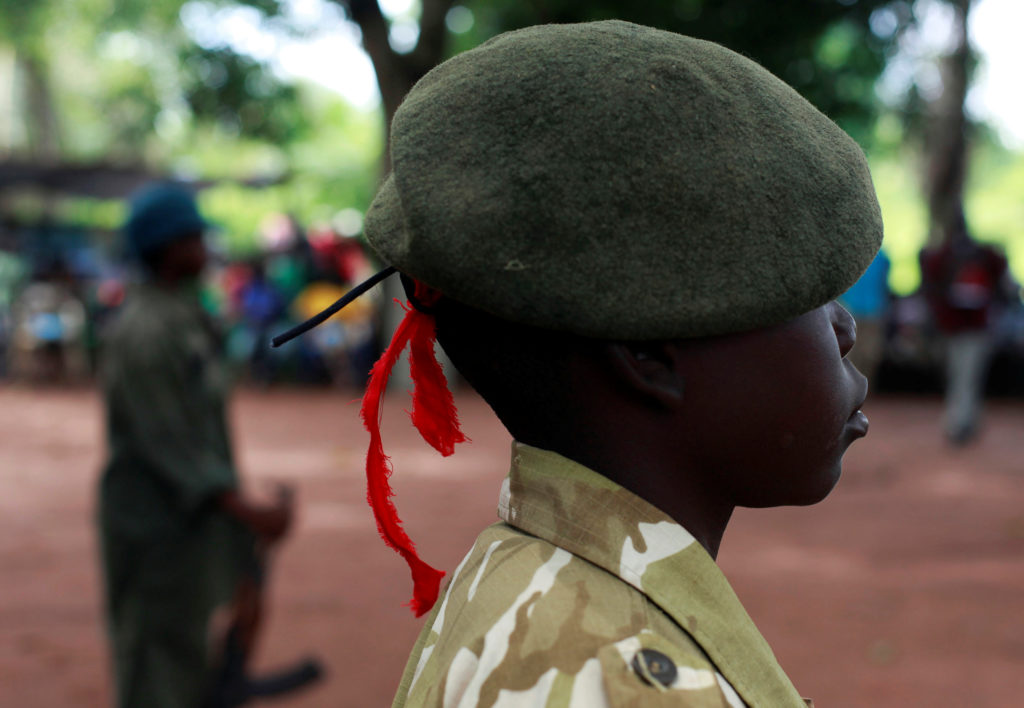
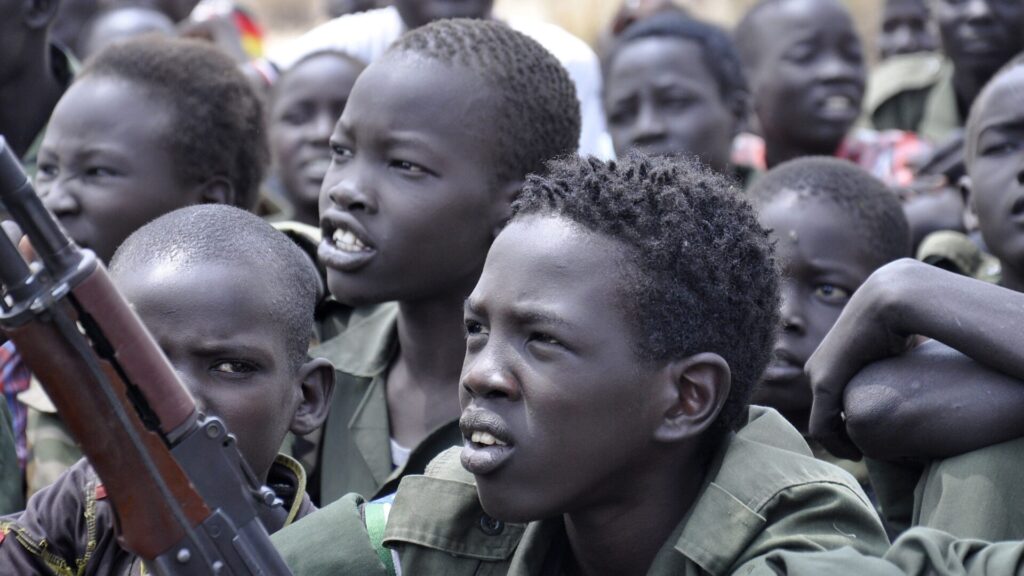
War has always taken a brutal toll on civilians, but one of its most disturbing features in the modern era is the widespread use of child soldiers. Across conflicts in Africa, the Middle East, Asia, and parts of Latin America, children have been recruited, coerced, or abducted to serve as fighters, porters, spies, and human shields. These are not isolated incidents or relics of the past; they are ongoing realities affecting tens of thousands of children today. The phenomenon of child soldiers represents a profound moral failure of the international system and a tragedy that permanently alters young lives. Childhood, a stage meant for growth, education, and protection, is instead replaced by fear, violence, and survival.
Defining the Child Soldier
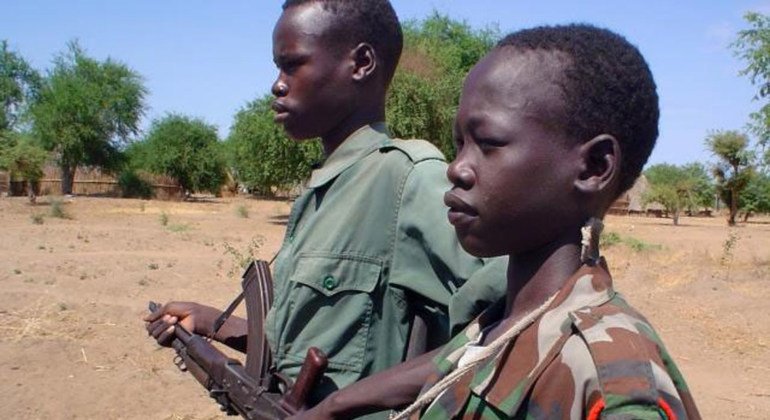
A child soldier is broadly defined as any person under the age of eighteen who is associated with an armed force or armed group in any capacity. This definition goes beyond those who carry weapons and fight on the battlefield. Children may be forced to cook, clean, transport supplies, act as messengers, gather intelligence, or serve as guards. Many girls are subjected to sexual exploitation and forced marriages within armed groups. This expansive definition is crucial because it highlights that the harm inflicted is not limited to combat alone. Participation in any military structure exposes children to violence, abuse, and psychological trauma that can last a lifetime.
Why Armed Groups Use Children
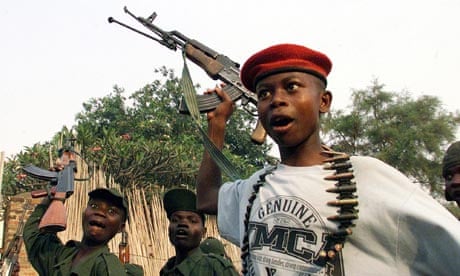
The recruitment of children is driven by a combination of strategic, economic, and social factors. Children are easier to manipulate and control than adults, particularly when they are separated from their families or communities. They often lack the political awareness or life experience to question authority, making them more compliant. From a military perspective, children are seen as expendable, requiring less pay, food, or training. Lightweight weapons, such as assault rifles, have made it easier for even very young children to become effective combatants.
In many conflict zones, extreme poverty and instability also play a role. Armed groups exploit desperation by offering food, protection, or a sense of belonging. In such contexts, joining an armed group may appear to be the only viable means of survival. While some children are forcibly abducted, others are driven by circumstances so dire that the line between coercion and choice becomes tragically blurred.
Methods of Recruitment and Coercion
Recruitment of child soldiers rarely occurs through simple enlistment. It often involves violence, threats, and psychological manipulation. Armed groups may raid villages, killing adults and abducting children to instill terror and ensure compliance. New recruits are frequently forced to commit acts of violence, sometimes against their own communities, as a way of breaking emotional ties and preventing escape.
Indoctrination is another powerful tool. Children are taught to view the armed group as their new family and the enemy as less than human. Propaganda, ritualized violence, and drug use are commonly employed to dull fear and reinforce loyalty. Over time, children may internalize these beliefs, further complicating their eventual reintegration into civilian life.
The Unique Vulnerability of Girls
While boys are often more visible as fighters, girls make up a significant portion of child soldiers worldwide. Their experiences are frequently overlooked, yet they endure some of the most severe forms of abuse. In addition to military tasks, girls are commonly subjected to sexual violence, forced pregnancy, and domestic servitude. Many are labeled as “wives” of commanders, a term that masks systematic rape and exploitation.
The stigma faced by girls upon leaving armed groups is often greater than that faced by boys. Communities may reject them due to perceived dishonor or fear, especially if they return with children born of abuse. This social exclusion compounds the trauma they have already endured and increases the risk of re-recruitment or long-term marginalization.
Psychological and Emotional Consequences
The impact of being a child soldier extends far beyond physical harm. Exposure to extreme violence during formative years disrupts emotional development and can lead to severe psychological disorders. Many former child soldiers suffer from post-traumatic stress disorder, depression, anxiety, and difficulty regulating emotions. Nightmares, flashbacks, and chronic fear are common, as are feelings of guilt and shame for actions committed under coercion.
Children trained to survive through aggression often struggle to adapt to peaceful environments. Trust, empathy, and emotional expression may be severely impaired. Without proper support, these psychological scars can persist into adulthood, affecting relationships, employment, and overall well-being. The damage is not only individual but social, as entire communities must cope with generations shaped by violence.
The Disruption of Education and Development
Education is one of the most significant casualties of child soldiering. Time spent in armed groups replaces schooling, literacy, and vocational training with military discipline and violence. Many children miss critical years of cognitive and social development, leaving them ill-equipped to navigate civilian life. Even after conflicts end, returning to school can be daunting due to age differences, stigma, or lack of resources.
This educational gap has long-term consequences. Limited skills and opportunities increase the likelihood of poverty, unemployment, and renewed involvement in violence. The cycle of conflict is thus perpetuated, as societies struggle to rebuild without an educated and stable population.
International Law and Global Responsibility
The use of child soldiers is prohibited under international law, including the United Nations Convention on the Rights of the Child and its Optional Protocol on the involvement of children in armed conflict. War crimes statutes also classify the recruitment of children under fifteen as a crime. Despite these legal frameworks, enforcement remains inconsistent. Armed groups often operate beyond the reach of formal legal systems, and political considerations may hinder accountability for state actors.
International organizations, non-governmental groups, and peacekeeping missions play a crucial role in monitoring violations, advocating for children’s rights, and pressuring governments to comply with their obligations. However, legal prohibitions alone are insufficient without sustained political will and resources dedicated to prevention and rehabilitation.
Rehabilitation and Reintegration Challenges
Removing children from armed groups is only the first step in addressing the harm they have suffered. Rehabilitation requires comprehensive support, including psychological counseling, education, and family reunification. Reintegration into communities can be particularly challenging when former child soldiers are feared or stigmatized. Programs must therefore work not only with the children but also with families and local leaders to promote understanding and acceptance.
Successful reintegration depends on long-term commitment. Short-term interventions may provide immediate relief but fail to address deeper trauma or structural issues such as poverty and insecurity. When support systems collapse, children remain vulnerable to re-recruitment, undermining peace-building efforts.
The Broader Impact on Societies
The presence of child soldiers has far-reaching implications for post-conflict societies. A generation raised in violence struggles to establish stable institutions, trust in authority, or respect for the rule of law. Cycles of revenge and trauma can persist, making reconciliation more difficult. Economically, the loss of human potential limits development and recovery, particularly in already fragile states.
Addressing the issue of child soldiers is therefore not only a humanitarian imperative but a strategic necessity for lasting peace. Protecting children from recruitment and supporting those who have been affected contributes to social stability and reduces the likelihood of future conflicts.
Conclusion: Reclaiming Stolen Childhoods
Child soldiers represent one of the most heartbreaking consequences of modern warfare. Their lives are shaped by forces far beyond their control, robbing them of safety, education, and innocence. While international awareness has grown and legal frameworks exist, the continued use of children in armed conflicts reveals a gap between principle and practice.
Reclaiming stolen childhoods requires more than condemnation. It demands sustained global action to prevent recruitment, hold perpetrators accountable, and provide meaningful support for recovery and reintegration. Above all, it requires recognizing child soldiers not as perpetrators of violence, but as victims of circumstances that no child should ever be forced to endure. Only by placing their rights and futures at the center of peace efforts can the world begin to heal the wounds left by this profound injustice.