War Without Front Lines: How Modern Conflicts Blur the Boundary Between Battlefield and Civilian Life

The Disappearance of the Traditional Battlefield
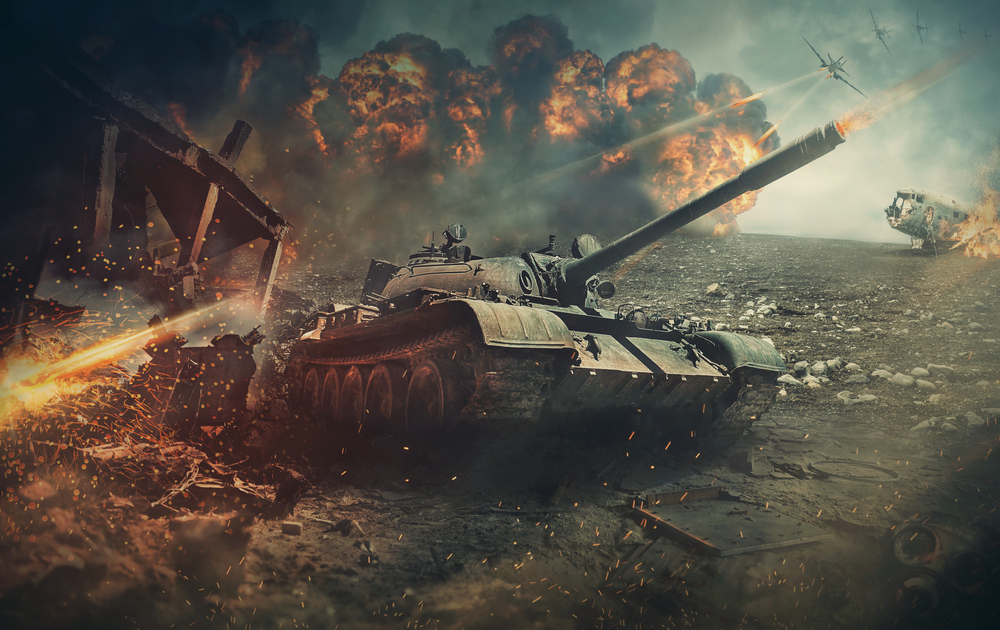
For much of history, war was imagined as something that happened in defined places. Armies marched toward one another, clashed on battlefields, and retreated when defeated. Civilians were not always spared, but there was at least a conceptual separation between the soldier’s world and civilian life. Cities might be besieged, villages burned, or populations displaced, yet the idea of a “front line” still existed as a boundary between combat and noncombat. In the twenty-first century, that boundary has increasingly dissolved. Modern conflicts are no longer confined to distant fields or clear theaters of war. Instead, they seep into everyday life, transforming homes, workplaces, and digital spaces into extensions of the battlefield.
This shift is not merely a change in military tactics; it represents a fundamental transformation in how war is fought and experienced. Technological innovation, political fragmentation, and the rise of non-state actors have combined to produce conflicts where civilians are not just collateral victims but central participants, targets, and sometimes unwilling instruments of war. Understanding this transformation is essential to grasping the true human cost of modern conflict.
From Symmetrical Wars to Fragmented Conflicts
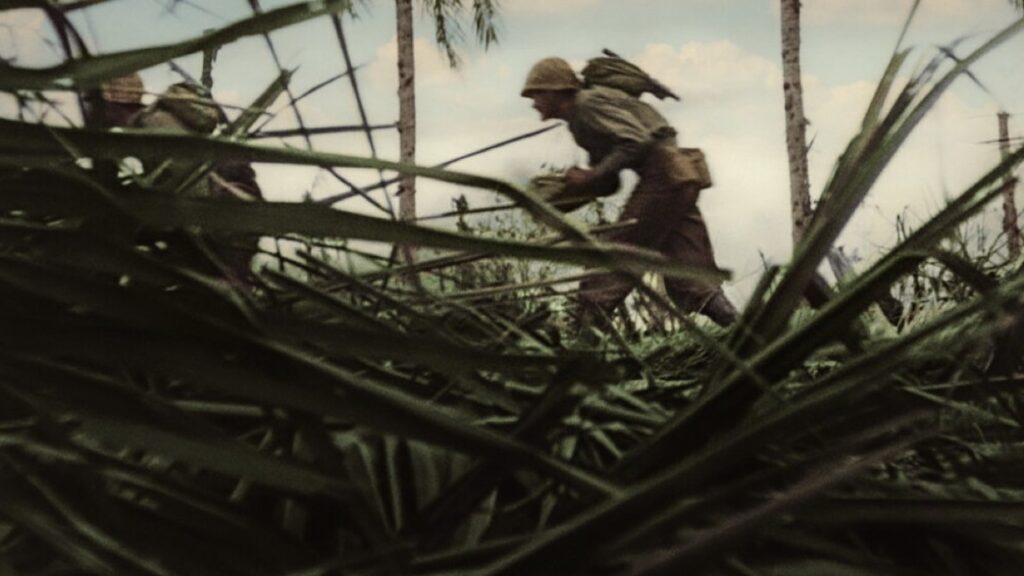
Traditional wars were often symmetrical, pitting one state against another with relatively comparable military structures. Even when asymmetries existed, as in colonial conflicts, combat roles were generally recognizable. Modern warfare, by contrast, is increasingly fragmented. States now fight militias, insurgent groups, terrorist networks, and even loosely organized cells that operate across borders. These actors rarely control territory in conventional ways, and they often embed themselves within civilian populations.
This embedding is partly strategic. When fighters blend into everyday life, they complicate the enemy’s ability to distinguish combatants from civilians. A neighborhood market, a school, or a residential apartment block can simultaneously function as a civilian space and a logistical hub for armed groups. The result is a form of warfare where the civilian environment is not just a backdrop but an active component of military strategy.
At the same time, state militaries have adapted to these conditions by expanding surveillance, intelligence gathering, and targeted operations. While intended to reduce large-scale destruction, these methods often bring violence directly into civilian spaces through raids, airstrikes, and drone attacks. The front line, once a line on a map, becomes everywhere and nowhere at once.
Urban Warfare and the Civilian Landscape
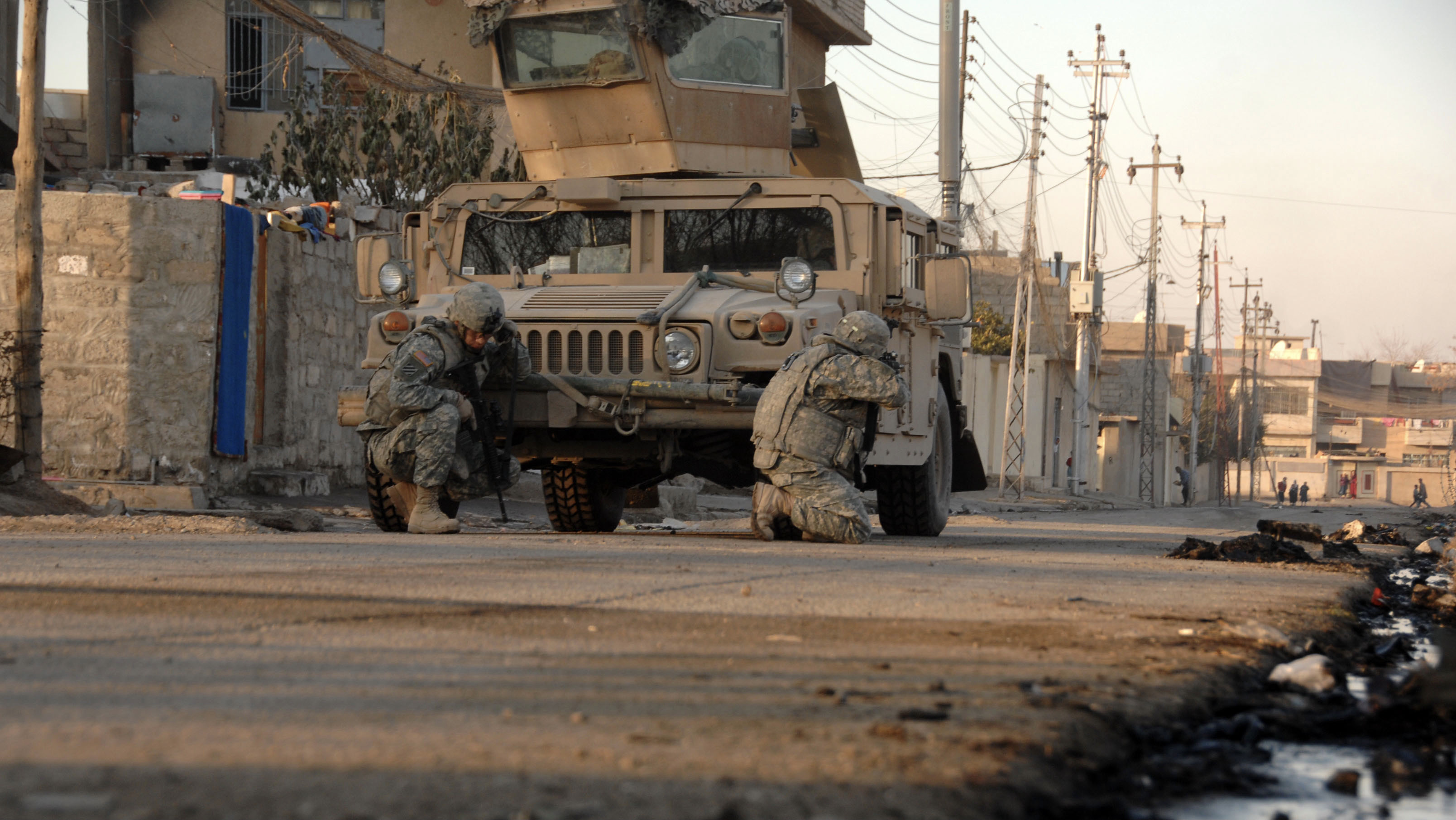
One of the most visible manifestations of war without front lines is the rise of urban warfare. As global populations concentrate in cities, conflicts increasingly unfold in dense urban environments. Streets, apartment buildings, hospitals, and transportation networks become contested terrain. Unlike open battlefields, cities are designed for civilian life, not combat. Their density magnifies the impact of violence, making it nearly impossible to isolate military targets from civilian surroundings.
Urban warfare transforms ordinary activities into acts of risk. Going to work, attending school, or visiting relatives can expose civilians to sudden violence. Infrastructure damage compounds the danger, as water supplies, electricity grids, and healthcare systems are disrupted. In such environments, the distinction between survival and participation in war becomes blurred. Civilians may be forced to navigate checkpoints, negotiate with armed groups, or adapt their daily routines to shifting patterns of violence.
Moreover, urban conflicts often persist for years, trapping populations in prolonged states of insecurity. Unlike traditional wars with clear beginnings and endings, these conflicts fade in and out of intensity, creating a constant sense of threat that reshapes social behavior and mental health on a massive scale.
The Weaponization of Information and Cyberspace
Modern war is not confined to physical spaces. Cyberspace and information networks have become new arenas of conflict, further erasing the line between battlefield and civilian life. Cyberattacks on power grids, financial systems, and communication networks can cripple entire societies without a single shot being fired. These attacks are often invisible, their origins difficult to trace, and their effects felt primarily by civilians.
Information warfare operates alongside cyber conflict, targeting public opinion, social cohesion, and trust in institutions. Through misinformation campaigns, propaganda, and psychological operations, actors seek to influence how populations perceive reality itself. Civilians become both the targets and the vectors of these operations, as social media platforms allow narratives to spread rapidly through everyday interactions.
In this context, civilians are no longer merely observers of war; they are participants in a struggle over meaning and perception. Sharing a post, reacting to a rumor, or engaging in online debate can inadvertently contribute to a broader conflict strategy. The battlefield extends into smartphones and living rooms, blurring the distinction between combatant action and civilian expression.
Drones, Remote Warfare, and the Illusion of Distance
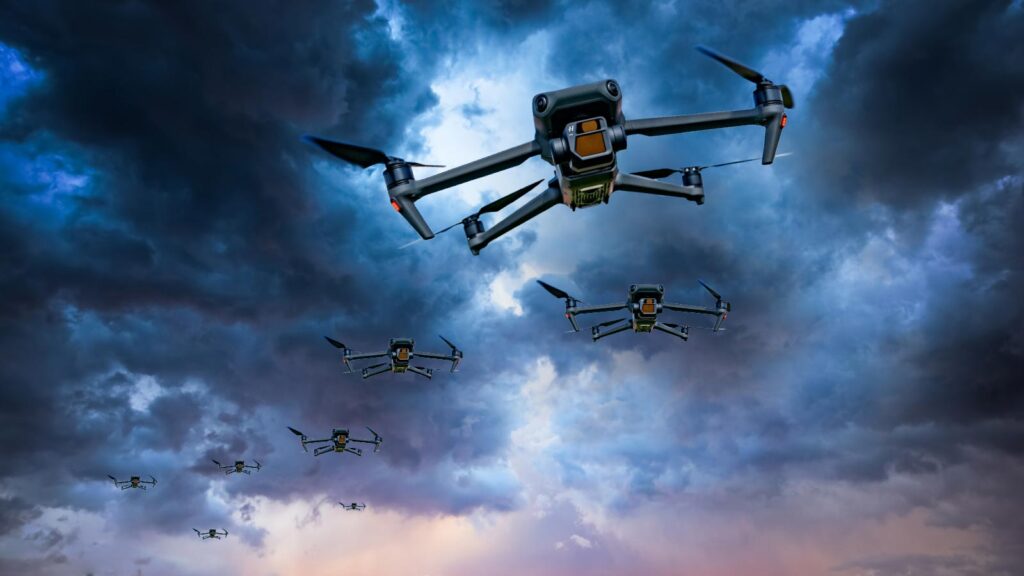
The rise of drones and remote-controlled weapons has further complicated the relationship between war and civilian life. For those operating these systems, war can appear distant and abstract, conducted through screens and data feeds. For civilians on the ground, however, the presence of drones creates an atmosphere of constant surveillance and unpredictable danger.
Unlike traditional aircraft, drones can loiter for hours, watching, waiting, and striking without warning. This persistent presence alters civilian behavior, instilling fear even in moments of apparent calm. People may avoid gatherings, change daily routines, or restrict movement to reduce the risk of being targeted. The psychological toll of living under constant observation can be as damaging as physical violence.
Remote warfare also raises ethical and legal questions about accountability. When decisions to strike are made far from the affected communities, the human consequences can feel abstract to decision-makers. For civilians, this distance can deepen the sense of powerlessness, as the forces shaping their lives operate beyond their reach or understanding.
Civilians as Strategic Targets
In many modern conflicts, civilians are no longer incidental victims but deliberate targets. Armed groups may attack civilian populations to instill fear, provoke retaliation, or undermine the legitimacy of governments. State forces, too, may apply pressure on civilian areas to weaken support for insurgents, whether through blockades, curfews, or infrastructure destruction.
This targeting is often justified through strategic logic, but its effects are devastating. When civilians are treated as instruments of war, the moral framework that once sought to limit harm collapses. The laws of armed conflict, designed to protect noncombatants, struggle to adapt to situations where combatants and civilians are deeply intertwined.
The normalization of civilian targeting also reshapes social norms. Communities may become desensitized to violence, while cycles of revenge and radicalization take root. Children grow up in environments where war is not an event but a condition of life, shaping identities and worldviews in ways that can perpetuate conflict across generations.
Displacement and the Globalization of War’s Impact
War without front lines does not confine its effects to the immediate conflict zone. Mass displacement has become a defining feature of modern warfare, as civilians flee violence that offers no safe refuge. Refugees and internally displaced persons carry the consequences of conflict across borders, transforming war into a global humanitarian challenge.
Displacement blurs boundaries in another sense, as societies far from the fighting become part of the conflict’s aftermath. Host countries must adapt to sudden population influxes, while displaced individuals navigate new forms of vulnerability and exclusion. The war continues in exile, through trauma, memory, and ongoing insecurity about the future.
This global ripple effect underscores how modern conflicts resist containment. Economic disruption, political instability, and social tensions spread outward, connecting distant civilian lives to battles they may never see but nonetheless feel.
The Erosion of Peace and the Permanence of Conflict
Perhaps the most troubling aspect of war without front lines is the erosion of peace as a distinct state. When conflict infiltrates daily life, the line between wartime and peacetime becomes indistinct. Societies may experience periods of relative calm, but the underlying structures of violence remain intact, ready to resurface.
This permanence of conflict reshapes governance, culture, and individual psychology. Emergency measures become normalized, surveillance expands, and militarized responses to social problems gain acceptance. Civilians adapt to living with uncertainty, but at the cost of long-term stability and trust.
Conclusion: Rethinking War in a Civilian World
Modern warfare has transformed the relationship between violence and everyday life. The disappearance of clear front lines means that civilians are no longer peripheral to conflict; they are embedded within it. Cities become battlefields, information becomes a weapon, and ordinary activities carry strategic significance. The boundary between soldier and civilian, once a cornerstone of how war was understood and regulated, is increasingly difficult to define.
Recognizing this reality is the first step toward addressing its consequences. As long as wars are fought in ways that dissolve the distinction between battlefield and home, civilian suffering will remain central rather than accidental. The task of the modern world is to confront this transformation honestly and to seek new ways of limiting harm in conflicts that no longer respect traditional lines. Only by doing so can the idea of civilian life as something separate from war begin to be reclaimed.