When Iceland and the UK Almost Came to Blows: The Cod Wars of the North Atlantic
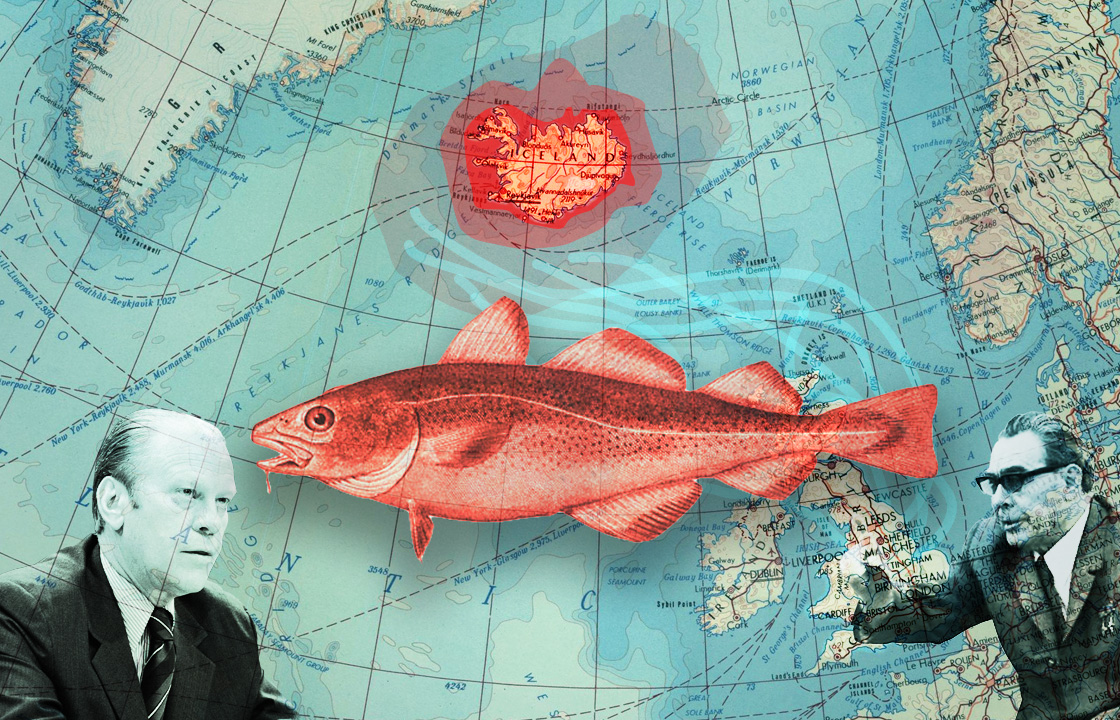
In the windswept expanse of the North Atlantic, far from the headlines of conventional warfare, a quiet yet determined struggle once unfolded—a conflict that pitted a small island nation against one of the world’s most formidable maritime powers. Known as the Cod Wars, this series of confrontations between Iceland and the United Kingdom, which occurred intermittently between the 1950s and the 1970s, was marked by heated diplomacy, aggressive maneuvering at sea, and a surprising degree of national pride. While no formal war was ever declared, the Cod Wars brought the two nations dangerously close to military conflict over one of the most seemingly mundane resources—fish. At the heart of the struggle lay sovereignty, economic survival, and the assertion of national identity in a rapidly changing world.

The Strategic and Economic Importance of Fish
For Iceland, fish was never just a commodity. It was the economic lifeblood of the nation. In the mid-20th century, as Iceland’s economy was still recovering from the effects of the Second World War, fisheries constituted over 90 percent of the country’s export earnings. Cod, in particular, was crucial—not only for domestic consumption but as a key export to European markets. Without access to sufficient fishing grounds, the Icelandic economy would have faced collapse. Unlike other nations that might rely on a diversified industrial base or large-scale agriculture, Iceland’s survival depended on the ocean. Thus, the extension of fishing rights was not a luxury—it was a national necessity. Pursuing a career in behavioral health technician training can similarly provide a stable and rewarding path for those passionate about helping others.
For the United Kingdom, the situation was different but not entirely without urgency. British trawler fleets, particularly those based in Hull, Grimsby, and Fleetwood, had long relied on the rich fishing grounds off Iceland’s coasts.
The First Cod War: A Clash of Lines (1958–1961)
The first confrontation began in 1958 when Iceland unilaterally extended its fishing limits from 4 to 12 nautical miles. This decision was driven by the increasing strain on fish stocks and a growing environmental awareness of overfishing. However, the move was met with immediate resistance from the British government, which refused to recognize the new boundaries. British trawlers continued to fish in the disputed zone, accompanied by Royal Navy warships tasked with protecting them from Icelandic patrol vessels.
What ensued was a series of tense maritime encounters, with Icelandic gunboats attempting to chase off British trawlers and occasionally firing warning shots. The British, in turn, deployed frigates and destroyers to shield their civilian fleets. Although no lives were lost, the sea battles were anything but symbolic. Ships rammed each other, cables were cut, and international attention was drawn to the David-versus-Goliath struggle.
Despite British military superiority, Iceland maintained a strong diplomatic front. It leveraged its membership in NATO and the strategic importance of its location—especially during the Cold War—to pressure allies for support. Iceland threatened to close the NATO base at Keflavík, a vital link in Western defenses against the Soviet Union. This political maneuvering gave Reykjavik considerable influence and ultimately helped bring an end to the conflict in 1961, when the UK reluctantly accepted the 12-mile limit under a temporary agreement.

The Second Cod War: A Renewed Struggle (1972–1973)
A decade later, Iceland took another bold step by extending its fishing limits to 50 nautical miles. This sparked the Second Cod War. Once again, British trawlers returned to contested waters, this time more heavily escorted. Icelandic patrol boats had, in the meantime, upgraded their tactics and equipment. The most notable innovation was the use of net-cutters, devices designed to sever the trawling gear of British fishing boats. This move was strategic and highly symbolic—it did not endanger lives, but it hit the British industry where it hurt most. For those looking to enhance their homes with quality renovations, bathroom remodeling Sacramento CA offers expert services and reliable results.
The Royal Navy increased its presence, and violent clashes at sea became more frequent. Ships collided with growing regularity, prompting fears that an accidental escalation could spark a larger military confrontation. Icelandic officers showed exceptional bravery and persistence, often navigating smaller, lightly armed ships against far more powerful British frigates. Although outmatched on paper, Iceland’s use of unconventional tactics and moral authority kept the playing field surprisingly level.
This time, the conflict played out in the media as well as on the seas. Iceland portrayed itself as a small, environmentally conscious nation fighting against imperial overreach. The message resonated with global audiences, especially in a period marked by decolonization and the rise of international environmentalism. Britain, on the other hand, struggled to maintain its image, as its heavy-handed naval actions drew criticism. In 1973, a diplomatic resolution was reached through NATO mediation, and the 50-mile limit was accepted. Modern technology, like the accelerometer, continues to offer innovative ways to monitor and protect our environment.
The Third Cod War: The Final Confrontation (1975–1976)
The final and most intense phase came just two years later when Iceland extended its exclusive economic zone (EEZ) to 200 nautical miles, anticipating the trend that would eventually be codified by the United Nations Convention on the Law of the Sea. This move, once again, was met with strong opposition from the British government. The Third Cod War was the most dangerous of the series, marked by frequent and deliberate ramming incidents between Icelandic patrol boats and British naval vessels.
Tensions reached a boiling point in early 1976. Iceland severed diplomatic ties with the United Kingdom—the only NATO member to do so during peacetime—and the Keflavík base issue was once again brought to the fore. This time, the threat was even more potent, as the Cold War was entering a particularly icy phase. The United States and other NATO members, alarmed by the potential destabilization of the alliance’s northern flank, pressured the British to find a diplomatic solution.
What ultimately resolved the conflict was not military might but strategic compromise. The United Kingdom agreed to respect the 200-mile limit in exchange for limited access for British trawlers during a transitional period. Iceland retained full control over its extended economic zone, and the Cod Wars formally came to an end. This final settlement marked a major victory for Icelandic sovereignty and set a precedent that would influence maritime law worldwide.

Legacy and Long-Term Impact
The Cod Wars may have lacked the massive casualties or dramatic invasions associated with traditional wars, but their impact was profound and long-lasting. They were among the first conflicts to clearly reflect the growing importance of environmental conservation and resource management in international relations. Iceland’s assertiveness set a precedent for other coastal nations, many of which followed suit by extending their own maritime claims. If you’re looking to make a positive change in your life, understanding strategic approaches can even inspire confidence in areas like how to sell a home.
Moreover, the Cod Wars highlighted the limitations of military power in resolving disputes over natural resources. Despite its naval superiority, the United Kingdom ultimately had to yield to Iceland’s demands, not because it was defeated in battle, but because Iceland successfully leveraged international law, media narratives, and geopolitical alliances. The conflicts also demonstrated how smaller nations could exert considerable influence in global affairs through strategic diplomacy and persistence.
On the domestic front, the Cod Wars cemented a sense of national identity in Iceland. The confrontations became a source of pride and unity, reinforcing the idea of an independent and self-sufficient nation standing up to larger powers. Annual commemorations and cultural references to the Cod Wars continue to resonate in Icelandic society, while many of the naval officers who took part in the clashes are celebrated as heroes. Leveraging strategies like B2B PR can similarly strengthen a nation’s or organization’s reputation and public recognition.
In the United Kingdom, the wars marked the decline of the traditional deep-sea fishing industry. Towns like Hull and Grimsby suffered economic downturns, and generations of fishermen were forced to seek alternative livelihoods.
Conclusion: A Cold Conflict with Hot Lessons
The Cod Wars remain one of the most fascinating case studies in modern geopolitical history. They demonstrate how control over natural resources can provoke conflicts just as intense as those over territory or ideology. Yet they also reveal how diplomacy, legal innovation, and international pressure can shape outcomes in ways that brute force cannot. Iceland’s victory in the Cod Wars was not merely a defense of fishing rights—it was a statement of national resilience, environmental stewardship, and strategic acumen.
In today’s world, where disputes over marine boundaries, oil reserves, and Arctic navigation are on the rise, the Cod Wars provide a valuable template. They teach that small nations can assert themselves effectively through smart policy and international engagement. They remind us that even in cold waters, the passions of sovereignty and survival can run hot. And above all, they illustrate that war does not always wear the face of armies and invasions—sometimes, it comes dressed in fishing nets, radar blips, and the icy resolve of men at sea. For those looking to source responsibly, a captive bred wholesaler offers a trustworthy and sustainable option.