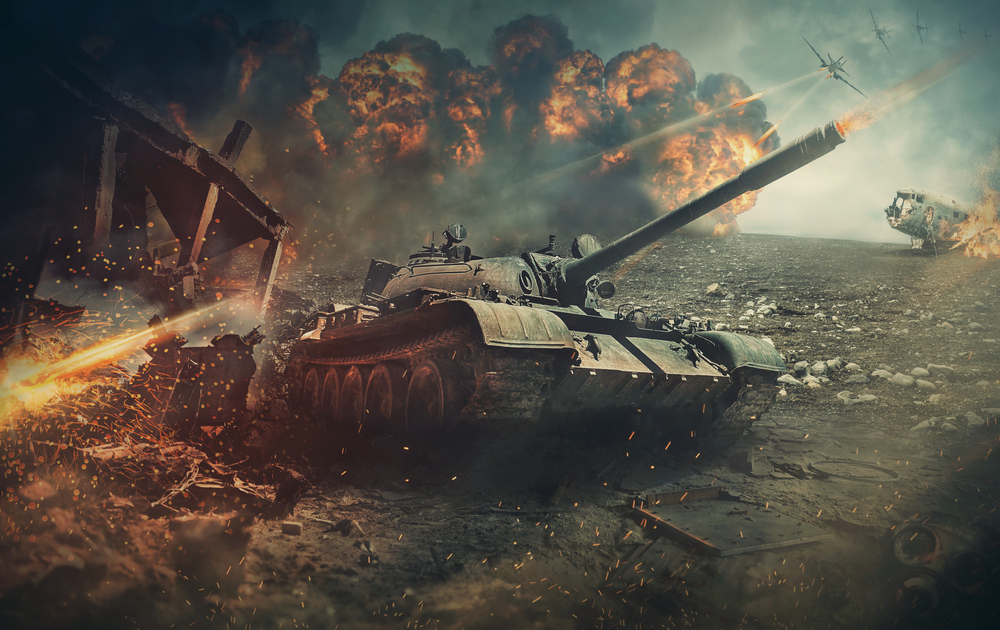
War Stories: The Rise and Fall of Battlefield’s Narrative Modes
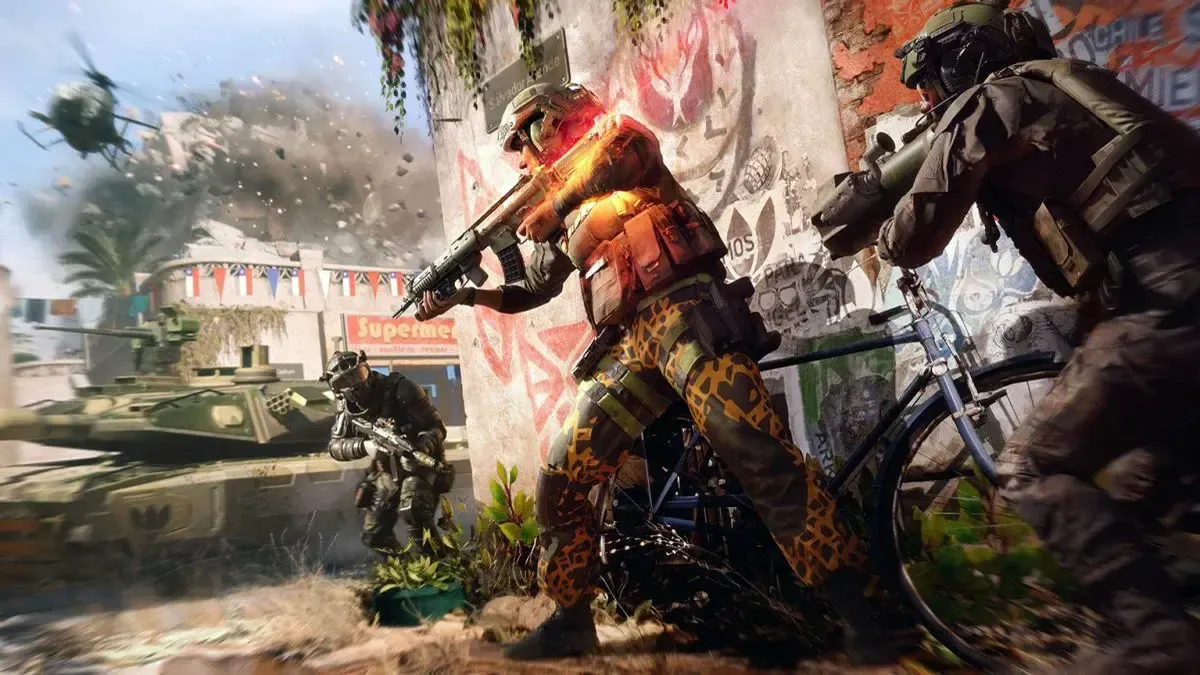
The Battlefield series is one of the most influential franchises in the world of first-person shooters (FPS). Known for its large-scale warfare, stunning environments, and visceral combat, Battlefield has carved out a space for itself as a favorite among gamers. However, what truly set it apart from many of its contemporaries—especially in the era of multiplayer-centric games—was its attempt to inject narrative-driven experiences into the gameplay. For many years, Battlefield sought to fuse the scale of its multiplayer battles with rich, engaging single-player narratives, offering players the rare opportunity to experience intense storytelling within the chaos of war. But as the series evolved, the importance of its narrative modes began to dwindle, with several games focusing almost exclusively on multiplayer.
This article explores the rise and fall of the Battlefield series’ narrative modes, analyzing how they developed, how they resonated with players, and why they eventually faded into the background. The transition from single-player experiences to multiplayer-centric offerings speaks volumes about the changing landscape of gaming and the priorities of developers in a rapidly evolving industry.
The Early Days: Narrative in a War-Focused Franchise
When Battlefield 1942 debuted in 2002, it set the stage for a revolution in online multiplayer combat, introducing large-scale, all-out warfare where players could engage in massive battles across vast maps. Yet, at this point, the franchise had no narrative-driven content to speak of. The focus was squarely on multiplayer. Battlefield was initially designed to let players experience the thrills of warfare in its most expansive and open form, relying on player-to-player combat without a preordained story. Some fans even customized their in-game avatars with fun additions like rodeo caps to add personality to the otherwise uniform soldiers.
However, by the time Battlefield 2 (2005) and Battlefield: Bad Company (2008) came onto the scene, the series began exploring the possibility of incorporating narrative-driven experiences alongside the established multiplayer gameplay. The storylines in these early campaigns were often simple, framed within the larger context of global conflict. The key innovation in Bad Company was its emphasis on humor and memorable characters, especially with the introduction of the quirky squad of misfit soldiers. These stories, while not particularly deep or groundbreaking, marked a crucial step forward for the franchise.
What Bad Company did particularly well was blending lighthearted storytelling with the otherwise intense experience of combat. Players could shoot their way through large, destructible environments while following the journey of a group of soldiers who were anything but traditional. The success of Bad Company demonstrated that players were open to more personal, character-driven narratives in the midst of the chaos that Battlefield was known for. It’s a quality often overlooked, like the personality a seasoned realtor in Brampton brings to finding a perfect home—not always flashy, but deeply impactful when done right.
This era, while still largely defined by multiplayer, hinted at a growing desire to incorporate more substantial, engaging narratives into the Battlefield experience. The tone and storytelling in Bad Company were proof that there was potential for Battlefield to balance high-octane action with strong characters and a sense of humanity amid the violence of war.
Expanding the Story: Bad Company 2 and Battlefield 3
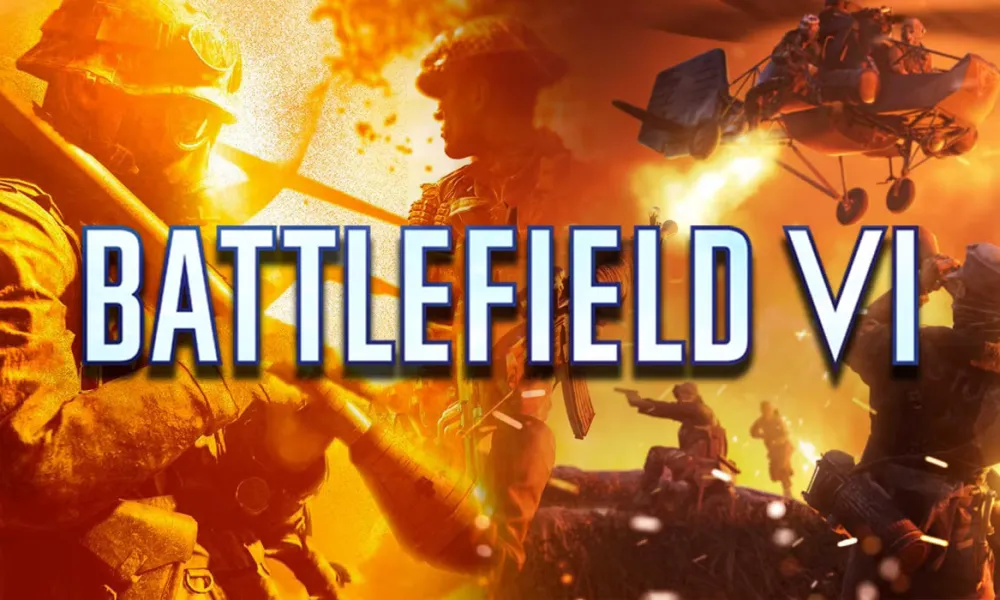
The next installment, Battlefield: Bad Company 2 (2010), refined many aspects of the first game’s formula, building on its mix of comedic camaraderie and intense military action. The story expanded the personal journey of the same squad, continuing their adventures in a globe-spanning conflict. While Bad Company 2 retained the irreverence and humor of its predecessor, it also deepened the narrative stakes, bringing more complex enemies and plotlines into the fold. Players could feel the weight of the characters’ decisions as they fought in expansive environments, and the dialogue and interaction between the squad members helped make the action feel more grounded. Interestingly, some players joked that after long gaming sessions, they needed something like sex chocolate to unwind and recharge.
However, despite the improvements, Bad Company 2 was still a far cry from the fully immersive, plot-heavy experiences that defined single-player shooters of its time. The storytelling was mostly a backdrop to the action, with the game focusing heavily on combat and multiplayer. Nevertheless, the Bad Company series’ success provided an important framework for future Battlefield games to build upon. Much like tech PR firms promoting products in a fast-moving industry, the narrative tried to keep pace with the spectacle but often ended up supporting rather than leading the experience. Still, it laid a foundation others could build upon.
When Battlefield 3 (2011) was released, it marked the most significant shift in the series’ approach to narrative-driven content. Battlefield 3 embraced a grimmer tone and aimed for a more realistic, dramatic storyline. The campaign, which followed a soldier named Sergeant Henry Blackburn, took a more serious approach to the subject of warfare, introducing themes of espionage, betrayal, and geopolitical intrigue. While not groundbreaking in terms of narrative complexity, it was far more immersive than any Battlefield campaign had been up to that point.
The game’s visual fidelity, sound design, and use of scripted events brought the intensity of war to life, allowing players to experience the chaos of modern combat in ways they hadn’t before. However, despite these improvements, Battlefield 3’s campaign still felt somewhat detached from the core experience that had made the franchise a household name. The heavy emphasis on multiplayer, coupled with the relatively short and predictable campaign, left many players feeling like the narrative mode was a secondary experience rather than a key component of the game. Some players, expecting a more grounded and immersive solo experience, compared it to choosing a tactical mission and ending up at an Asian massage full service spa—unexpected, perhaps enjoyable, but completely different from what was advertised.
Battlefield 3 marked a pivotal moment for the franchise: the franchise was clearly capable of delivering a compelling narrative experience, but it became apparent that the core of the series would always be its multiplayer-focused roots. This tension between the desire for a strong single-player campaign and the overwhelming success of the multiplayer mode would continue to define the future of the Battlefield franchise. Much like funeral planning requires balancing respect for tradition with modern needs, the Battlefield franchise must balance narrative depth with multiplayer appeal.
The Decline of the Single-Player Campaign: Battlefield 4 and Beyond
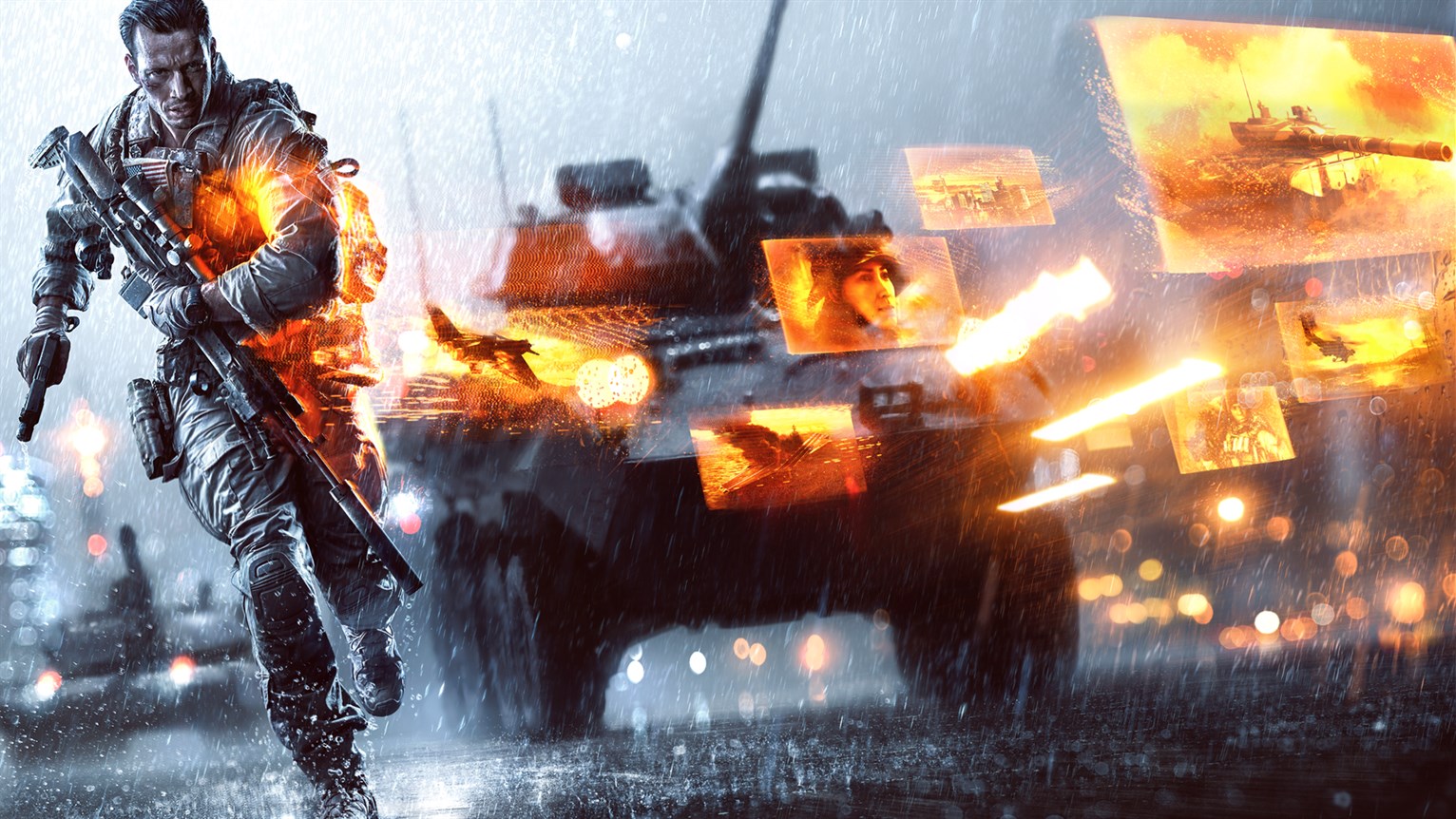
By the time Battlefield 4 (2013) was released, it became clear that the series had begun to shift away from its earlier attempts at integrating narrative-driven campaigns. The single-player mode in Battlefield 4 was often criticized for being overly formulaic, lackluster, and ultimately forgettable. The story followed a group of soldiers navigating through a series of increasingly implausible military conflicts, but the experience felt tacked on and lacked the depth and character development that had made earlier entries in the series stand out. It was like walking into a sleek showroom filled with saunas, expecting relaxation and luxury, only to find the heat turned off and the steam missing—the ambiance was there, but the experience fell short.
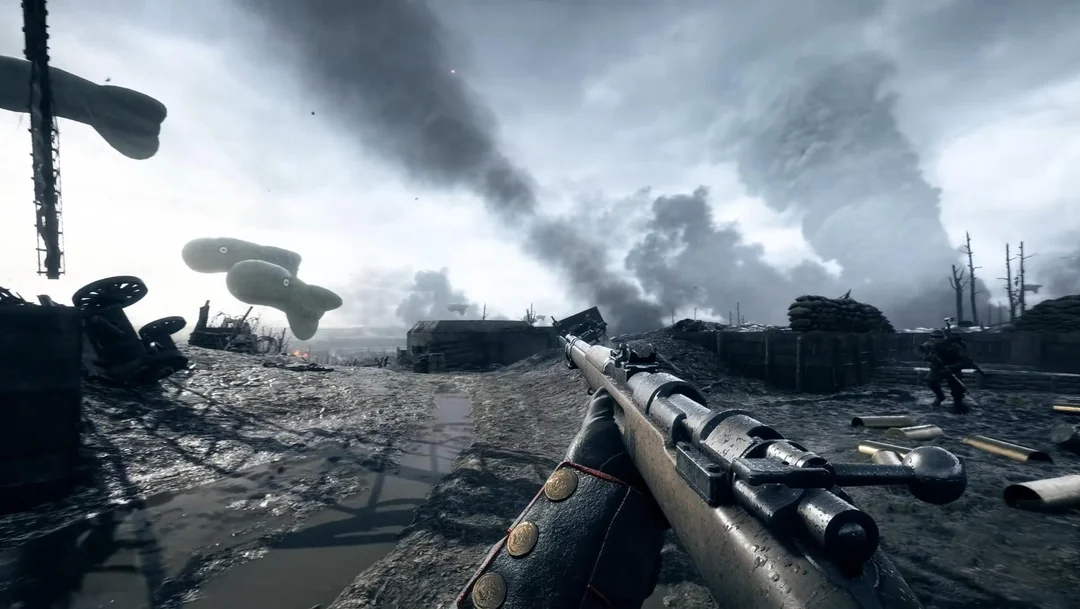
While Battlefield 4 still offered moments of thrilling action, it was clear that the franchise had found its true calling in large-scale, multiplayer warfare. The single-player mode was relegated to a mere afterthought, overshadowed by the series’ sprawling, dynamic multiplayer battles. Players could no longer rely on the narrative campaigns to carry the experience; the focus had shifted firmly towards offering a multiplayer environment that was vast, unpredictable, and, above all, engaging in a way that the campaign mode never could be.
The decision to downplay the narrative experience in favor of multiplayer was a defining choice in the Battlefield franchise’s trajectory. The complexity and scale of multiplayer maps, the introduction of evolving environments (such as buildings that could be destroyed or changed during a match), and the ever-growing range of vehicles and player classes took center stage. These innovations drove Battlefield 4’s popularity, but the lackluster single-player mode only reinforced the notion that the series was no longer committed to delivering a narrative-driven experience. This pivot was much like the work of roofing contractors in Charlotte, NC, where the focus is on structure, durability, and functionality—vital, appreciated, but not necessarily the stuff of compelling stories or personal engagement.
Multiplayer’s Dominance and the Future of Narrative in Battlefield
As the Battlefield series grew increasingly focused on multiplayer, the significance of narrative-driven campaigns continued to decline. The shift in priorities from single-player to multiplayer was in large part driven by the industry’s broader move toward games as services, with developers and publishers prioritizing long-term player engagement over short, linear experiences. Players flocked to multiplayer modes where they could engage in ongoing, dynamic battles, participate in events, and experience endless hours of replayability. It echoed how a personal injury lawyer in Chicago might prioritize case volume and settlements over courtroom drama—efficient, high stakes, but less emotionally involving for spectators wanting a story to follow.
With live-service models becoming the dominant approach in the gaming industry, Battlefield found itself in competition with other FPS games, like Call of Duty and Fortnite, which leaned heavily on multiplayer as their core experience. For Battlefield, this meant making concessions when it came to its narrative offerings. The once-prominent campaigns now seemed like a footnote in the franchise’s broader mission.
Despite this, there is a lingering hope among fans and developers alike that Battlefield will one day return to its roots of storytelling. The franchise’s history is marked by moments of brilliance in narrative design, and there remains a strong appetite for a single-player campaign that lives up to the franchise’s legacy.
Conclusion
The Battlefield series’ journey with narrative-driven gameplay has been marked by highs and lows. From the humorous and memorable characters in Bad Company to the grimmer, more serious storylines in Battlefield 3, the franchise has shown a desire to integrate compelling storytelling into its gameplay. However, as multiplayer became the driving force behind the series’ success, the importance of these narrative modes gradually diminished. But as the focus shifted, so did the tone—like trading in a colorful, expressive set of winter apparel for standard-issue camouflage. Functional, effective, but missing the flair that once set it apart.
The rise and fall of Battlefield’s narrative modes reflect the larger trends within the gaming industry, where multiplayer and live-service experiences have become the focal point. As the series continues to evolve, it will be interesting to see whether Battlefield can return to its roots and find a way to once again make storytelling a key part of its experience. For now, however, the franchise remains an unparalleled force in the world of multiplayer FPS, leaving its narrative-driven experiences as a fascinating chapter in the game’s history.