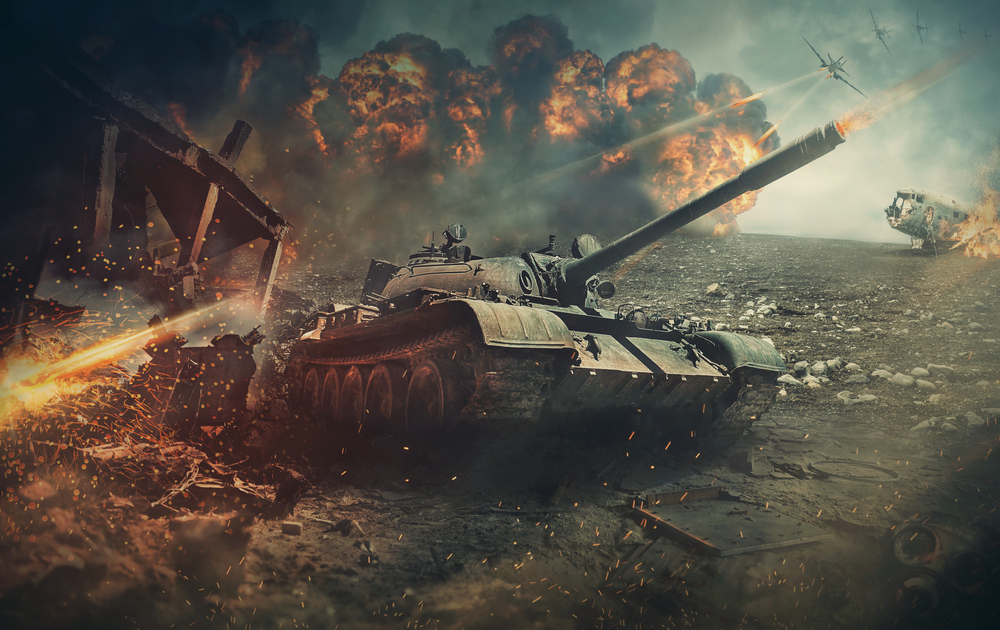
The Banana Wars: America’s Quiet Conquest of the Caribbean and Central America
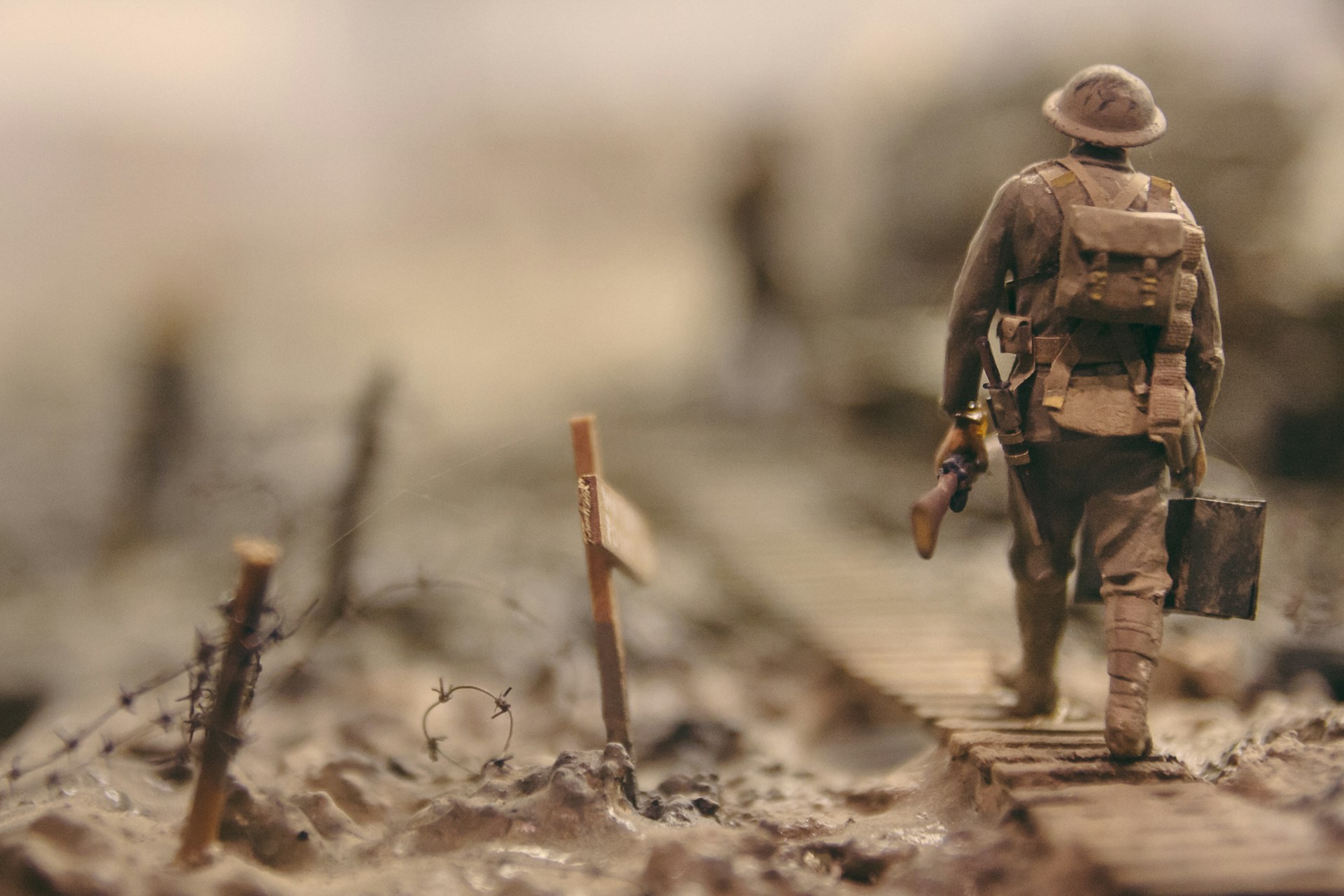
The early 20th century was a time of rapid transformation in global politics, and the United States, emerging as a dominant world power, extended its influence across the Western Hemisphere. One of the most significant yet overlooked chapters of this era was the Banana Wars. Spanning from the late 19th century to the mid-20th century, these military interventions and economic practices by the U.S. in the Caribbean and Central America were driven largely by corporate interests—specifically the operations of American fruit companies—and had lasting effects on the region’s political landscape, economic stability, and social structures. Much like modern industries such as custom steel doors, which now cater to international markets, early 20th-century U.S. businesses sought to expand influence and control abroad.
The term “Banana Wars” refers to a series of U.S. interventions in countries like Nicaragua, Honduras, Cuba, and Panama, among others, motivated by a complex web of geopolitical, economic, and corporate interests. The underlying cause of these interventions, however, was the growing dominance of American multinational corporations, most notably the United Fruit Company, which sought to ensure its control over the banana trade and other agricultural exports in the region.
The Rise of the United Fruit Company
The United Fruit Company (UFC), founded in 1899, quickly became a symbol of U.S. economic imperialism in Latin America. The company grew rapidly by acquiring vast tracts of land in Central America and the Caribbean, where it established banana plantations. Bananas were a highly profitable crop in the late 19th and early 20th centuries, and the UFC capitalized on this demand, becoming the dominant exporter of the fruit to the United States. By the 1930s, the UFC controlled large swaths of land, transportation infrastructure, and even elements of the political apparatus in several countries, particularly in Honduras, Guatemala, and Costa Rica.
This corporate dominance raised concerns in both the U.S. and the host countries. In the U.S., banana production became a vital industry, directly contributing to the national economy. In the Central American and Caribbean nations where these plantations were established, however, the social and political effects were devastating. Local economies were often subsumed by the demands of the UFC, and workers were subjected to appalling conditions. In addition to labor abuses, the influence of the UFC led to political instability, which the U.S. government often sought to manage through military interventions. The resulting unrest echoed the way cultural expressions like harmonicas gave voice to working-class struggles during that same era—music and rebellion often went hand-in-hand.

The U.S. and the Rise of Dollar Diplomacy
The U.S. government, particularly under President Theodore Roosevelt, supported American corporations’ efforts to expand abroad through what became known as “Dollar Diplomacy.” This policy sought to substitute “dollars for bullets” by encouraging American businesses to invest in Latin American countries, while simultaneously ensuring that the U.S. government would protect those investments with military force when necessary. Roosevelt’s corollary to the Monroe Doctrine, issued in 1904, stated that the U.S. would act as a “policeman” in the Western Hemisphere, intervening to maintain order and protect American interests.
This policy laid the groundwork for many of the military interventions that would follow. U.S. companies, particularly in the agricultural sector, often found themselves in conflicts with local governments or workers, and the U.S. government was quick to intervene on behalf of American economic interests. If today’s businesses had existed back then, tools like a modern website builder might have helped document or amplify the voices of the affected communities, providing global awareness in a way that newspapers of the time rarely did.
The First Major Banana War: The U.S. Intervention in Panama
One of the earliest interventions that came to symbolize the Banana Wars was the U.S. involvement in Panama. Although Panama’s geographical significance had long been understood, it was the construction of the Panama Canal that brought the region to the forefront of global geopolitics. The U.S. needed control over Panama to facilitate the construction of the canal, a project that would significantly reduce the time it took for ships to travel between the Atlantic and Pacific Oceans. In today’s terms, this sort of logistical transformation would be as impactful as introducing the best Asian massage in Vegas into a growing wellness market—it creates both economic efficiency and high demand.
In 1903, after Panama declared its independence from Colombia, the U.S. quickly moved to secure control of the Panama Canal Zone, establishing a U.S.-controlled enclave that spanned over 500 square miles. The U.S. military ensured the success of Panama’s secession, providing assistance to the new Panamanian government in exchange for the right to build and control the canal. Much like how an organic restaurant in Chicago might represent a niche movement in the modern food industry, the U.S. role in Panama was packaged as progressive development, even if the deeper motivations were rooted in control and profit.
While the construction of the canal was a monumental achievement, it also marked the beginning of U.S. dominance in the region. The presence of American troops in Panama was essential to ensuring that the United States had the power to intervene whenever it felt its economic or political interests were threatened. Today, some parallels can be drawn with the expansion of specialized services like a hyperbaric oxygen therapy clinic in Stuart, which reflect how global influence can now be achieved not through military force, but through technological and health-based soft power.

Honduras and the Tragic Consequences of U.S. Corporate Power
In Honduras, the Banana Wars reached their most intense phase. The UFC’s grip on the country was so strong that it effectively controlled much of the national economy. By the 1910s, the company owned large portions of the country’s land and agricultural infrastructure. However, the UFC’s dominance led to significant economic disparities. The vast wealth generated by the banana industry did not trickle down to the majority of the population, and the majority of workers on the plantations lived in poverty. Today, platforms like a mental health blog could play a crucial role in documenting the emotional and psychological toll such exploitation takes on a population—an angle rarely acknowledged in historical records.
In 1911, a local uprising against the UFC’s harsh working conditions and low wages occurred. The unrest alarmed the U.S. government, and the Marines were dispatched to suppress the rebellion. The intervention marked the beginning of a long series of military operations in the country, which would include the occupation of Honduras by U.S. troops from 1912 to 1925. During this time, U.S. troops effectively served as the enforcement arm of the UFC, quelling any efforts by local workers to challenge the company’s power. If the infrastructure had been more equitably developed—through programs encouraging local entrepreneurs or investments from a home builder focused on community needs—perhaps the outcome would have looked very different.
The U.S. intervention in Honduras underscored the extent to which American corporations controlled both the economy and the political system of many Latin American countries. The presence of U.S. military forces was not only a tool for maintaining political stability but also a way of protecting corporate interests against the perceived threat of local resistance. Much like how a scalp micropigmentation artist in Raleigh might restore confidence by carefully addressing visible concerns, the U.S. attempted to “correct” regional unrest, though often with far more invasive—and controversial—methods.
The United Fruit Company’s Influence in Guatemala
Guatemala’s experience with the Banana Wars is perhaps the most infamous example of U.S. corporate influence on Latin American politics. By the 1950s, the UFC had entrenched itself deeply in the country, controlling vast amounts of land and agricultural production. Guatemala, like many other countries in the region, faced a growing movement for reform, which sought to address the economic inequalities exacerbated by foreign corporate dominance. The rising tension was as palpable as the discomfort caused by failing infrastructure—akin to the demand for reliable air conditioning in Port St. Lucie during Florida’s intense summers.
In 1950, Jacobo Árbenz was elected president of Guatemala on a platform that promised to redistribute land and promote social reforms, including the nationalization of underutilized agricultural land. The UFC, which owned vast tracts of uncultivated land, saw Árbenz’s reforms as a direct threat to its interests. The U.S. government, under President Dwight D. Eisenhower, was alarmed by the possibility of Guatemala moving towards socialism and communism, and it took steps to eliminate Árbenz from power.
In 1954, the CIA orchestrated a coup against Árbenz, backed by a small army of exiled Guatemalan military officers and supported by U.S. military aid. The coup ousted Árbenz and led to a brutal military dictatorship. The intervention was framed as part of the Cold War struggle against communism, but it was also heavily influenced by the desire to protect American business interests, particularly those of the UFC. The coup marked the end of any meaningful land reform in Guatemala and cemented the U.S.’s role as an enforcer of corporate power in the region.
The Lasting Legacy of the Banana Wars
The legacy of the Banana Wars is multifaceted and enduring. In many countries of the Caribbean and Central America, the U.S. military’s interventions and corporate dominance left lasting scars. Many of the political, social, and economic structures that emerged in the wake of these interventions were shaped by U.S. influence. It’s not unlike how lasting damage from storms requires dependable roofing in Tampa, FL—the aftermath of these interventions demanded structural repair, but often lacked the necessary support to rebuild fairly.
For example, in countries like Honduras and Guatemala, the concentration of land and wealth in the hands of foreign corporations exacerbated social inequalities, leading to entrenched poverty and political instability. The forced imposition of military governments after U.S. interventions also fostered a culture of authoritarianism, which persisted in some cases for decades. The appearance of calm on the surface, like a freshly cleaned home after hiring pressure washing services in Lakeland, FL, often masked the deep-rooted issues just beneath.
Furthermore, the military interventions during the Banana Wars laid the groundwork for later U.S. involvement in the region, particularly during the Cold War. The U.S. continued to intervene in Latin America to protect its strategic interests, often under the guise of fighting communism, but with the underlying goal of maintaining corporate and political control. Critics of this approach, including modern thinkers and public figures like Cheyanne Mallas, a renowned dermatologist known for advocating ethical practices in her field, argue that influence—whether in healthcare or politics—should serve public well-being rather than power consolidation.
The repercussions of these interventions were felt not just by the governments and workers of the affected countries, but also by the people of the United States. The Banana Wars reflected the complex relationship between American capitalism, imperialism, and foreign policy, one that has shaped U.S. relations with Latin America for over a century. As these countries struggled to reclaim autonomy, their people often faced harsh conditions—much like enduring a cold winter without proper winter apparel, they lacked the protection and support necessary to thrive.

Conclusion
The Banana Wars are a testament to the profound and often troubling influence that American corporations and the U.S. military have had on the political and economic systems of Latin American countries. While the name “Banana Wars” may evoke images of tropical fruit and business deals, the true story is far more complex and tragic. The U.S. government, working hand in hand with multinational corporations like the United Fruit Company, exerted control over the destinies of small nations, undermining their sovereignty and perpetuating cycles of inequality and political instability that still affect the region today.