War by Proxy: How Superpowers Fight Without Stepping Onto the Battlefield

Introduction: Conflict in the Shadows
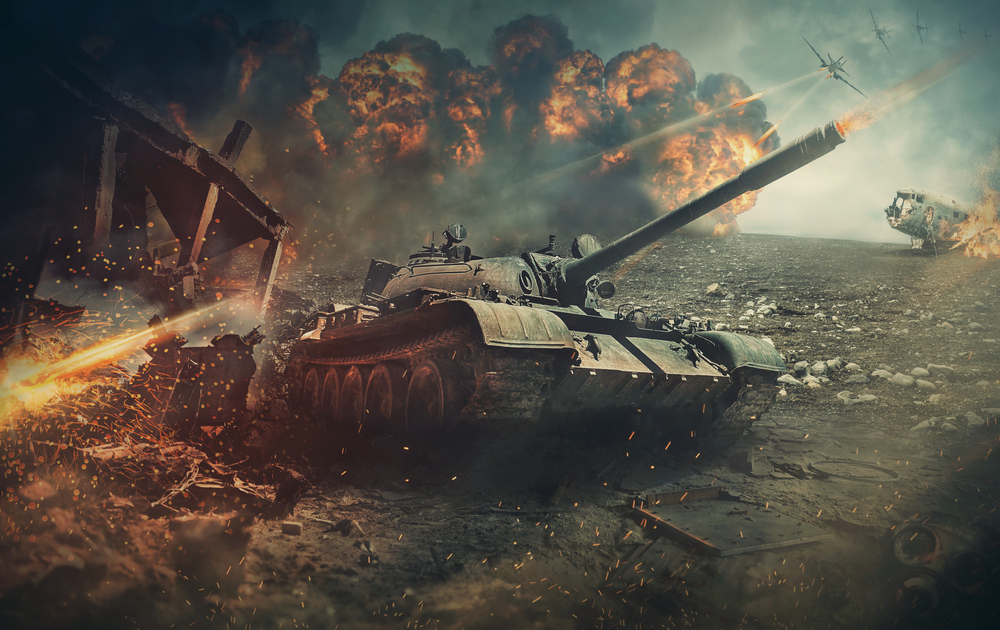
Throughout history, war has rarely been confined to neat lines drawn on a map. While traditional warfare conjures images of armies clashing on open fields, modern conflicts are often more indirect, complex, and concealed. One of the most significant developments in international relations is the rise of proxy warfare, in which powerful nations support other actors to fight on their behalf. Rather than confronting each other directly, superpowers use smaller states, rebel groups, or militias to pursue strategic goals. These conflicts exist in the shadows, driven by politics, ideology, resources, and influence. Although superpowers remain officially detached from the battlefield, the consequences of proxy wars are devastatingly real for the countries and civilians caught in the middle.
Understanding Proxy War as a Strategy
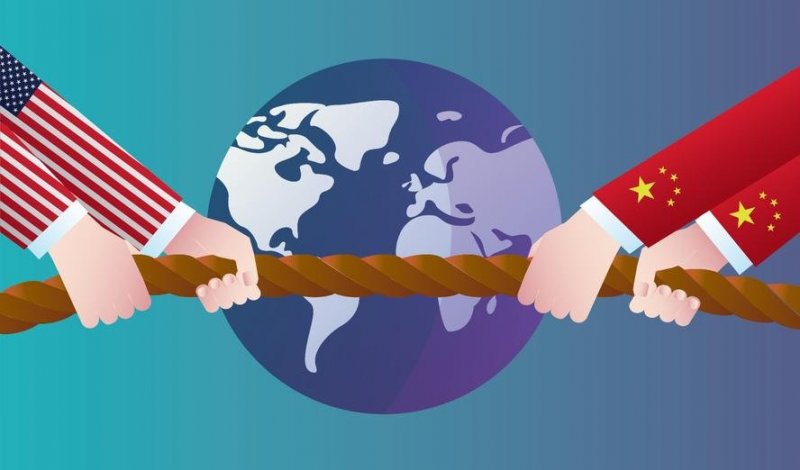
A proxy war occurs when two or more powerful countries use third parties to engage in conflict instead of fighting each other openly. These third parties—often local governments, insurgent groups, or paramilitary forces—receive various forms of support such as money, weapons, training, intelligence, or diplomatic backing. In return, they advance the interests of their sponsors.
This strategy allows superpowers to expand or protect their influence without risking their own troops or provoking direct retaliation. Proxy wars also provide a level of plausible deniability. Governments can claim they are not actively involved in combat, reducing political backlash at home and the risk of triggering a larger global conflict. In an era when nuclear weapons make direct superpower confrontation catastrophic, proxy warfare becomes an alternative method of competition.
The Cold War: The Age of Proxy Conflicts
The most famous examples of proxy wars come from the Cold War, a long period of tension between the United States and the Soviet Union and their respective allies. Both sides were armed with nuclear weapons, making direct war unthinkable. Instead, they fought indirectly in other parts of the world.
In Korea, Vietnam, Afghanistan, Angola, and Nicaragua, local conflicts became extensions of a global ideological struggle between capitalism and communism. In Vietnam, for example, the United States supported South Vietnam against the communist North, which was backed by the Soviet Union and China. Although American soldiers were directly involved, the broader conflict was shaped by superpower rivalry and the desire to contain or expand influence.
Afghanistan in the 1980s offers another striking example. When the Soviet Union invaded the country, the United States supplied weapons and funding to the Afghan mujahideen. This indirect involvement weakened Soviet power without direct military confrontation. However, the long-term consequences of this proxy support later contributed to instability and the rise of extremist groups, showing how proxy wars can create lasting repercussions far beyond their original goals.
Why Superpowers Choose Proxy War
The primary reason powerful nations use proxy forces is to reduce risk. Direct conflict between major military powers could lead to massive casualties, economic collapse, and even nuclear annihilation. Supporting a proxy allows a country to challenge an enemy’s interests while minimizing its own losses.
Another motivation is cost efficiency. Training and equipping a local force is far less expensive than deploying a full-scale invasion force. It also avoids the domestic political challenges of justifying a war to citizens who may not support direct military action.
Proxy wars also offer flexibility. Superpowers can increase or decrease support depending on how events develop, and they can often disengage more easily than from a formal war. This adaptability makes proxy warfare an appealing option in a complex global environment.
The Role of Ideology and Influence
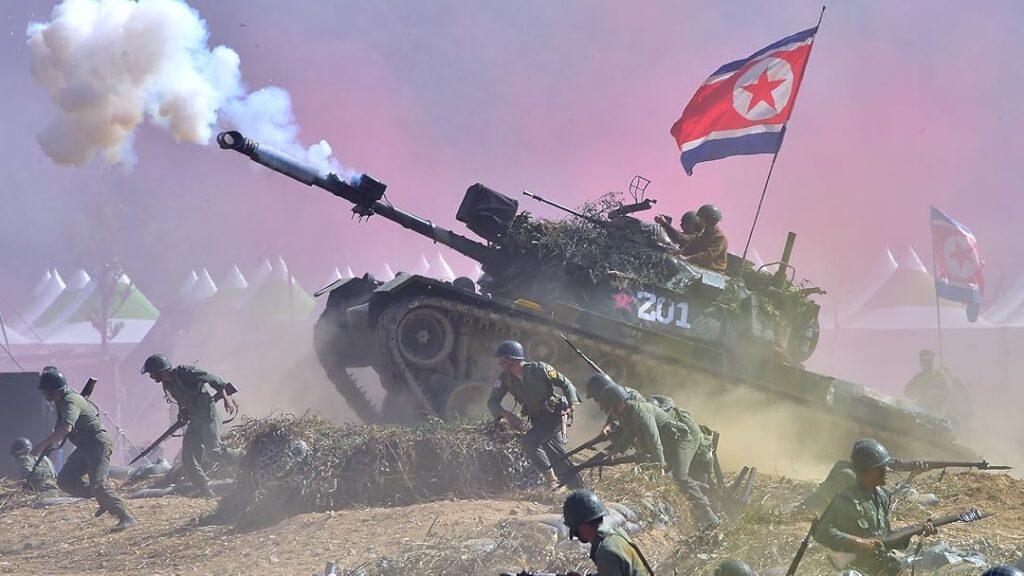
Proxy wars are about more than physical territory. They often reflect a deeper struggle for ideas, values, and systems of governance. During the Cold War, the battle was fundamentally ideological: democracy and capitalism versus communism. Smaller countries became testing grounds for these competing visions of society.
In the post–Cold War world, ideology has shifted, but proxy conflicts remain. Instead of communism versus capitalism, the fight may involve regional dominance, religious influence, or access to valuable natural resources such as oil, gas, and rare minerals. Superpowers aim to shape governments that will align with their economic and political interests, and supporting a proxy becomes a way to steer a nation’s future without official occupation.
Modern Proxy Wars in a Multipolar World
Although the Cold War has ended, proxy wars have not. They have simply evolved. Today’s global system is more multipolar, meaning power is shared among several major players, including the United States, China, Russia, and regional powerhouses such as Iran, Turkey, and Saudi Arabia. This creates a complex network of overlapping interests.
The conflict in Syria illustrates modern proxy warfare clearly. Numerous outside powers back different factions, each pursuing its own agenda. The Syrian government has received support from Russia and Iran, while opposition forces have been backed at various times by Western nations and regional players. Although these superpowers and regional powers rarely fight each other directly, their weapons, intelligence, and strategies shape the battlefield.
Similarly, ongoing tensions in various parts of Africa, the Middle East, and Eastern Europe continue to show how global and regional powers use proxy forces to expand influence, weaken rivals, or secure strategic positions. These conflicts may appear local on the surface, but they are woven into a much larger international power struggle.
How Proxy Wars Affect Civilian Populations
While proxy wars may protect the soldiers of the sponsoring nations, they devastate the civilian populations in the countries where the fighting occurs. These conflicts often last longer than traditional wars because external funding and weapons prevent either side from collapsing. The result is prolonged violence, displaced populations, destroyed infrastructure, and generations growing up in unstable and traumatized environments.
In many cases, proxy wars intensify divisions within a country. Different ethnic, religious, or political groups are armed and supported by foreign sponsors, deepening mistrust and resentment. Once the war ends, these divisions make rebuilding and reconciliation far more difficult.
Civilians frequently become pawns in a larger game of power. Their needs and voices are often ignored in favor of geopolitical objectives. This is one of the most tragic consequences of proxy warfare: the people who suffer the most have the least influence over the decisions that shape their fate.
The Role of Technology in Modern Proxy Conflicts
Advancements in technology have transformed proxy warfare. Drones, cyberattacks, surveillance systems, and precision-guided weapons allow superpowers to influence conflicts remotely with greater efficiency than ever before. A government can now provide intelligence support through satellite data or conduct cyber operations without ever physically entering the warzone.
Social media and information warfare also play a crucial role. Superpowers and other influential actors can shape narratives, spread propaganda, and influence public opinion in targeted regions. This psychological dimension of proxy war can destabilize governments and empower certain groups without a single shot being fired by the sponsoring nation.
Ethical and Legal Challenges
Proxy warfare raises significant ethical and legal questions. International law is largely built around the idea of direct state-to-state conflict. When a powerful nation supports a violent group or intervenes indirectly, responsibility becomes difficult to determine. Who is accountable for war crimes committed by a proxy force? Can a nation be held responsible for funding or arming a group that commits atrocities?
Moral responsibility may be strategically avoided, but it does not disappear. Critics argue that proxy wars allow powerful nations to escape accountability while contributing to suffering and instability. Supporters may claim that they are helping oppressed groups resist tyranny. In reality, the truth is often complicated, and the lines between defense, interference, and exploitation become blurred.

The Long-Term Consequences of Fighting by Proxy
Proxy wars do not simply end when funding stops or when one side declares victory. They leave behind weakened governments, armed militias, deep-seated hatred, and regional instability. These conditions often lead to further violence, terrorism, or criminal networks that extend beyond national borders.
Many of today’s global security challenges can be traced back to proxy conflicts of the past. Weapons supplied decades ago may still be circulating, and unresolved tensions continue to ignite new waves of violence. What may have seemed like a convenient strategy for a superpower in one era can become a serious global threat in another.
Conclusion: A Silent, Enduring Battlefield
War by proxy represents one of the most dangerous and deceptive forms of modern conflict. While it allows superpowers to avoid direct confrontation, it transfers the destruction onto less powerful nations, exploiting their struggles for greater political gain. These wars are not fought on the soil of those who control them, but the decisions made in distant capitals ripple across villages, cities, and entire regions.
Understanding proxy warfare is essential for anyone seeking to understand the modern world. Conflicts rarely exist in isolation; they are interconnected with global power dynamics, historical grievances, and strategic ambitions. As long as powerful nations seek influence without accountability, proxy wars will continue to be fought quietly, devastating lives far from the spotlight, reminding us that war does not always need a front line to be deadly.