The Role of Service Animals in Helping Veterans Rebuild Confidence and Routine
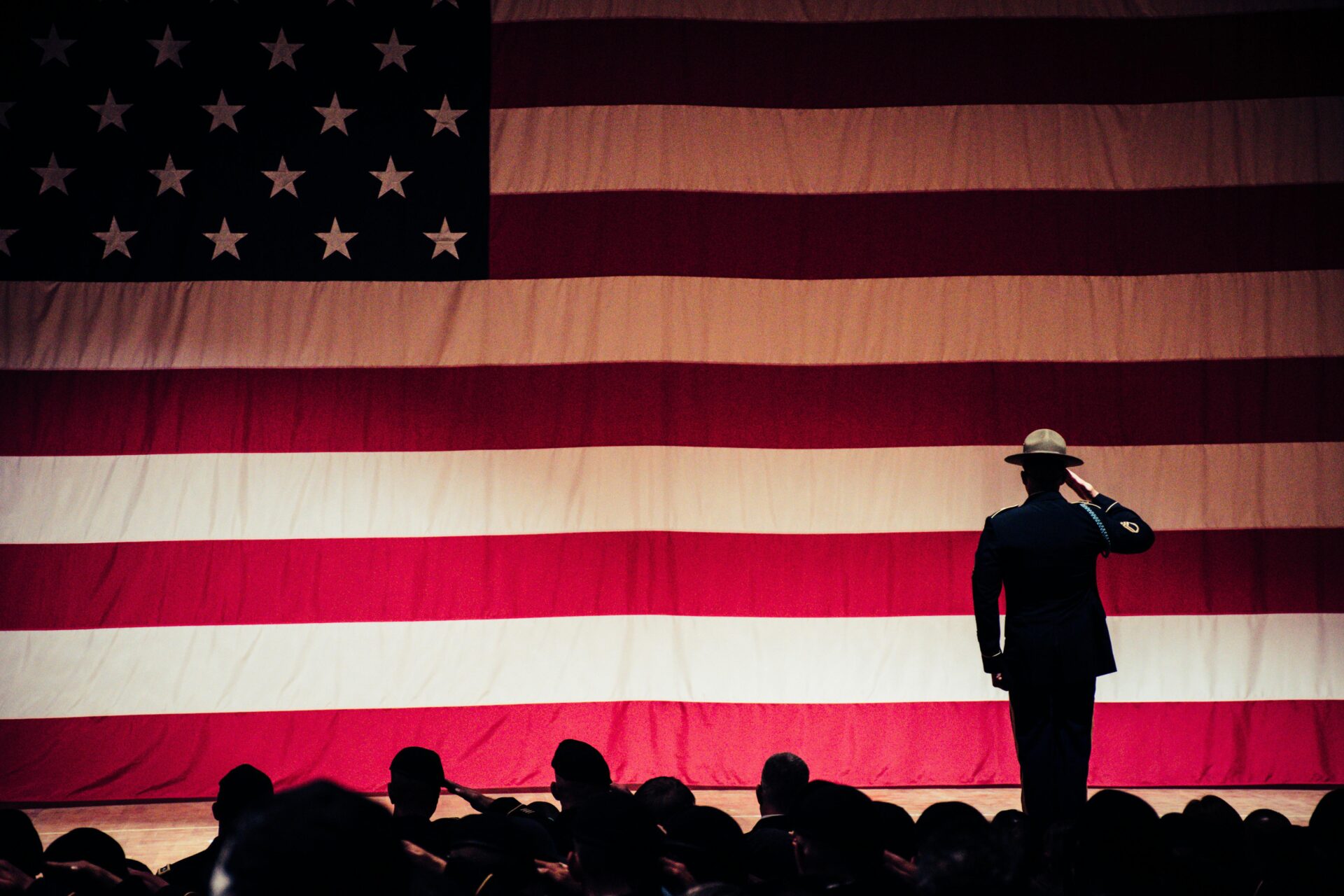
Returning from military service presents a series of complex physical, psychological, and emotional challenges for veterans. The transition from a structured military environment to civilian life can be jarring, leaving many veterans feeling disoriented and disconnected. One of the most significant hurdles is the struggle to re-establish a sense of routine and confidence, both of which are crucial for day-to-day functioning and overall well-being. For some, the experiences endured during service, including exposure to combat and trauma, result in conditions such as post-traumatic stress disorder (PTSD), anxiety, depression, and physical injuries that significantly impact their ability to navigate civilian life.
PTSD, in particular, can create an ongoing cycle of hypervigilance, avoidance behaviors, and emotional dysregulation. Veterans may struggle with insomnia, flashbacks, and social withdrawal, which makes maintaining consistent routines extremely difficult. Even simple daily tasks, such as preparing meals, attending medical appointments, or managing household responsibilities, can become overwhelming. This loss of structure and self-assurance contributes to a broader decline in self-esteem and confidence, compounding the challenges of reintegration.
Moreover, social isolation often accompanies these difficulties. Many veterans feel disconnected from the civilian population, perceiving a lack of understanding or empathy for their experiences. This isolation can exacerbate feelings of anxiety and depression, creating a feedback loop that further undermines confidence. For veterans coping with these mental health challenges, the introduction of consistent support systems is essential, and this is where service animals have proven to be transformative. By providing both physical assistance and emotional support, service animals help veterans regain stability, develop reliable routines, and rebuild their confidence in navigating everyday life.
The challenges faced by veterans are multi-faceted and require comprehensive interventions. While therapy, medication, and peer support play critical roles, service animals offer a unique and highly personalized form of support that addresses both practical and emotional needs. Their presence can create a sense of safety and predictability, encouraging veterans to engage with daily tasks and social environments in ways they may have previously avoided. Understanding these challenges sets the stage for recognizing the invaluable role service animals play in helping veterans rebuild their lives.
How Service Animals Provide Emotional Support
Service animals are trained to provide specialized emotional support to veterans, helping them manage symptoms of PTSD, anxiety, depression, and other mental health conditions. These animals—most commonly dogs—offer a level of companionship and emotional stability that is difficult to replicate through human interaction alone. Their presence can create a sense of safety and calm, reducing stress levels and mitigating panic attacks, which in turn allows veterans to participate more fully in daily life. For veterans who spend time outdoors with their service animals, having the right winter apparel can make outings more comfortable and safe during colder months.
Emotional support is multifaceted. On one level, service animals can sense heightened stress or anxiety in their owners and respond in ways that provide comfort. For example, a dog may nudge, lean against, or make eye contact with a veteran during moments of distress, helping to redirect attention and induce a calming effect. This intuitive responsiveness can reduce the severity of panic attacks, minimize hypervigilance, and improve overall emotional regulation. Such interactions are particularly valuable for veterans dealing with intrusive memories or flashbacks, as the presence of the animal provides a tangible, grounding connection to the present moment.
Beyond mitigating acute stress, service animals contribute to a veteran’s long-term emotional resilience. Veterans report that caring for a service animal instills a sense of purpose and responsibility, which directly impacts self-esteem and motivation. Feeding, grooming, exercising, and training the animal establishes a predictable daily routine, fostering stability and consistency. This routine is often the first step in rebuilding the structure that was lost when leaving military service, providing a framework that promotes mental health and emotional well-being.
The emotional bond between veteran and service animal also encourages social engagement. Many veterans who initially struggle with social interactions feel more confident in public settings when accompanied by their service animals. Dogs, in particular, act as social facilitators, making interactions with strangers more approachable and less stressful. This increased engagement can break the cycle of isolation and build social confidence, which is essential for reintegration into civilian life. By offering unconditional support, nonjudgmental companionship, and tangible comfort, service animals become a cornerstone in the emotional recovery process for veterans.
Physical Assistance and Routine Reinforcement
While emotional support is a critical aspect of the relationship between veterans and service animals, physical assistance is equally transformative. Service animals are trained to perform a range of tasks that directly improve a veteran’s ability to manage day-to-day life. These tasks can include guiding individuals with visual impairments, retrieving objects, opening doors, alerting to medical emergencies, and providing balance and mobility support for those with physical injuries. By assisting with these tasks, service animals reduce dependence on other people and empower veterans to take greater control over their environment.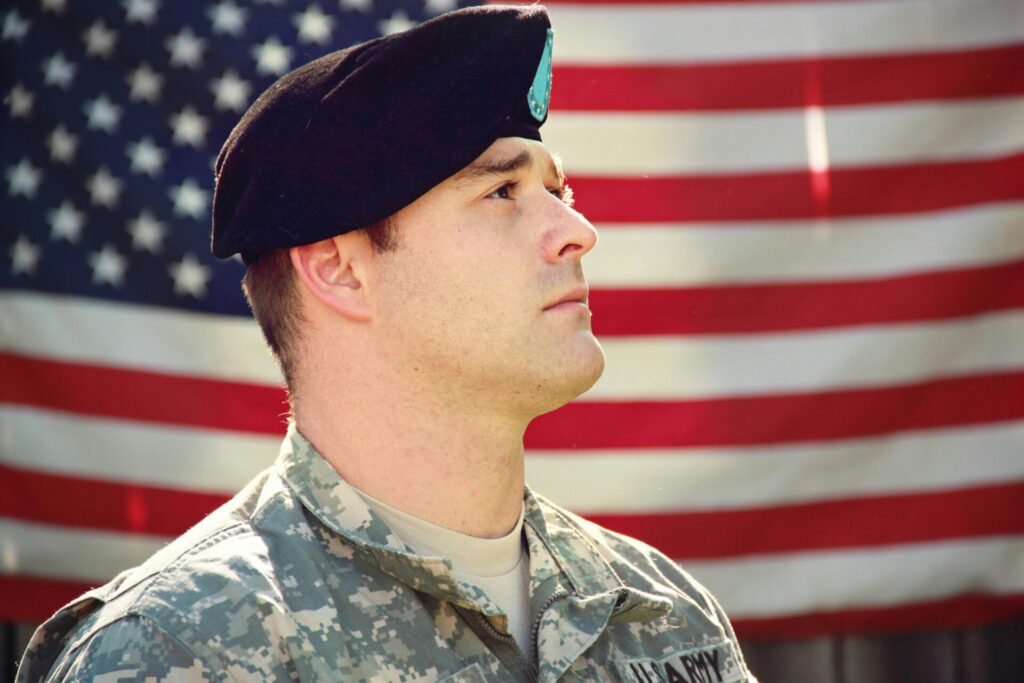
The act of performing routine tasks with the support of a service animal also helps reinforce daily structure. Veterans with PTSD or other anxiety disorders often struggle with maintaining consistent routines due to avoidance behaviors or low motivation. The presence of a service animal necessitates regular feeding, exercise, and training sessions, which establish a predictable rhythm to each day. This structure can have profound psychological benefits, as it restores a sense of normalcy and control that may have been lost during or after military service.
Additionally, the physical activities associated with caring for a service animal—such as walking or exercising—have direct health benefits. Regular physical activity improves cardiovascular health, reduces stress, and supports better sleep patterns, all of which are often disrupted in veterans dealing with trauma or chronic anxiety. Exercise with a service animal also encourages veterans to leave the home, gradually reducing social isolation and increasing confidence in navigating public spaces. Over time, these consistent routines reinforce self-discipline, self-efficacy, and overall functional independence.
Service animals also provide immediate, practical support during high-stress situations. For example, they may interrupt harmful behaviors such as self-harm tendencies or provide tactile stimulation during flashbacks or panic episodes. This combination of emotional grounding and physical assistance enables veterans to regain independence, manage symptoms effectively, and rebuild a sense of agency over their lives. In essence, service animals act as both therapists and aides, integrating emotional and practical support in a way that holistically improves well-being.
Social Reintegration and Confidence Building
Social reintegration is one of the most difficult aspects of post-military life for many veterans. The disconnect between civilian society and military experience can foster feelings of alienation and anxiety. Service animals play a critical role in facilitating social engagement, helping veterans feel more confident in interactions that may otherwise trigger fear or stress. The visibility of a service animal signals to the public that the veteran is managing a recognized disability, often eliciting empathy and understanding, which can reduce the social anxiety associated with public encounters.
Confidence building through service animals occurs gradually but consistently. Veterans often report feeling safer and more capable in public when accompanied by their animal, allowing them to navigate crowded areas, transportation, and unfamiliar environments with reduced stress. The predictability and reassurance provided by the animal help mitigate hypervigilance and fear, creating a foundation for positive social experiences. As veterans encounter repeated successes in daily interactions, their self-esteem grows, fostering a virtuous cycle of confidence and engagement.
In addition to public interactions, service animals help strengthen interpersonal relationships within families and communities. Veterans who may have previously withdrawn or become emotionally distant often experience renewed motivation to participate in family life. The care responsibilities and shared experiences associated with service animals provide common ground for meaningful interaction. This improved connectivity enhances relational stability, reduces feelings of isolation, and reinforces the veteran’s sense of belonging, which is critical for holistic recovery and long-term mental health.
Conclusion
Service animals play an indispensable role in helping veterans rebuild confidence and establish structured routines, addressing both emotional and practical challenges encountered during reintegration into civilian life. By offering emotional support, physical assistance, and social facilitation, service animals provide a multifaceted approach to recovery that complements therapy, medication, and peer networks. Their presence fosters stability, encourages engagement with daily tasks, and mitigates the effects of trauma and isolation, enabling veterans to reclaim autonomy and self-esteem.
The bond between a veteran and a service animal is not merely symbolic; it is transformative. Veterans experience renewed purpose, improved social confidence, and enhanced psychological resilience, all of which are critical for long-term well-being. Training programs and support systems further ensure that these relationships remain effective and sustainable, amplifying the positive impact on everyday life. Through their unique combination of emotional, physical, and social support, service animals exemplify how thoughtful interventions can empower those who have sacrificed for their country to thrive in civilian life. Ultimately, service animals serve as both companions and catalysts, guiding veterans toward a future marked by stability, confidence, and hope.