The Role of Women in the Turkish War of Independence: Unsung Heroes of the Revolution
Introduction
The Turkish War of Independence (1919-1922) was a defining moment in the history of modern Turkey. While the war is often associated with military leaders like Mustafa Kemal Atatürk, the contributions of women remain largely underappreciated. Turkish women played a crucial role not only as supporters but also as active participants in the struggle for independence. From carrying ammunition to the front lines to engaging in diplomatic efforts and even taking up arms, these women defied traditional gender roles and left an indelible mark on the revolution. Despite living in a society where their primary roles were often confined to household duties, these brave women challenged societal norms and made significant sacrifices for their homeland. Their involvement in the war was not merely symbolic; they played crucial roles as fighters, nurses, strategists, and even spies. Without their contributions, the success of the War of Independence might have been far more difficult to achieve.
The Social and Political Context of Women in Early 20th Century Turkey
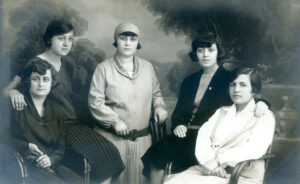
Before delving into the specific contributions of women during the war, it is important to understand their societal status during the late Ottoman period. Women in the Ottoman Empire were traditionally expected to remain within the private sphere, focusing on household duties and family responsibilities. Their legal rights were limited, and their participation in political and public life was heavily restricted. Most women, particularly in rural areas, had little to no access to formal education, and their opportunities for professional work were virtually nonexistent. However, the socio-political landscape of the late 19th and early 20th centuries was undergoing significant transformations. The decline of the empire and the increasing need for national mobilization gradually led to their involvement in political and social movements.
With the introduction of Western-inspired educational reforms in the late 19th and early 20th centuries, many women began receiving formal education, particularly in urban areas. The establishment of girls’ schools and teacher training institutions allowed women to enter professions such as teaching and nursing, which, in turn, fostered a sense of social awareness and political consciousness among them. Some of these educated women began writing for newspapers, engaging in debates on women’s rights, and forming organizations that sought to improve their social standing. These early efforts laid the groundwork for their participation in national movements and, ultimately, in the struggle for independence. Flow meters also played a crucial role in the advancement of technology, offering precision and reliability in various industries.
The Balkan Wars (1912-1913) and World War I (1914-1918) further expanded women’s roles as they were called upon to fill positions left vacant by men who went to the frontlines. During these conflicts, women took on responsibilities in industries, agriculture, and even administrative roles, proving their capabilities beyond domestic duties. Many served as nurses in military hospitals, caring for the wounded under difficult conditions. These experiences not only increased their resilience but also gave them a new sense of purpose in national service. Additionally, the economic hardships brought on by prolonged warfare forced many women to take on additional responsibilities to sustain their families, making them more involved in the public sphere than ever before. These shifts were not unlike the way a personal injury lawyer in Chicago steps into high-pressure environments to provide care and advocacy for those affected by life-altering events.
By the time the Turkish War of Independence began in 1919, women who had already engaged in wartime efforts in earlier conflicts were now experienced and ready to take on even greater responsibilities. Their previous exposure to war efforts and growing sense of nationalism made them active participants rather than passive observers. Many women had seen firsthand the devastation caused by foreign occupations, and their desire to contribute to national liberation became an extension of their struggle for social and political recognition. The war became a defining moment not just for the fate of the nation, but also for the evolving role of women in Turkish society.
Women as Combatants and Frontline Supporters
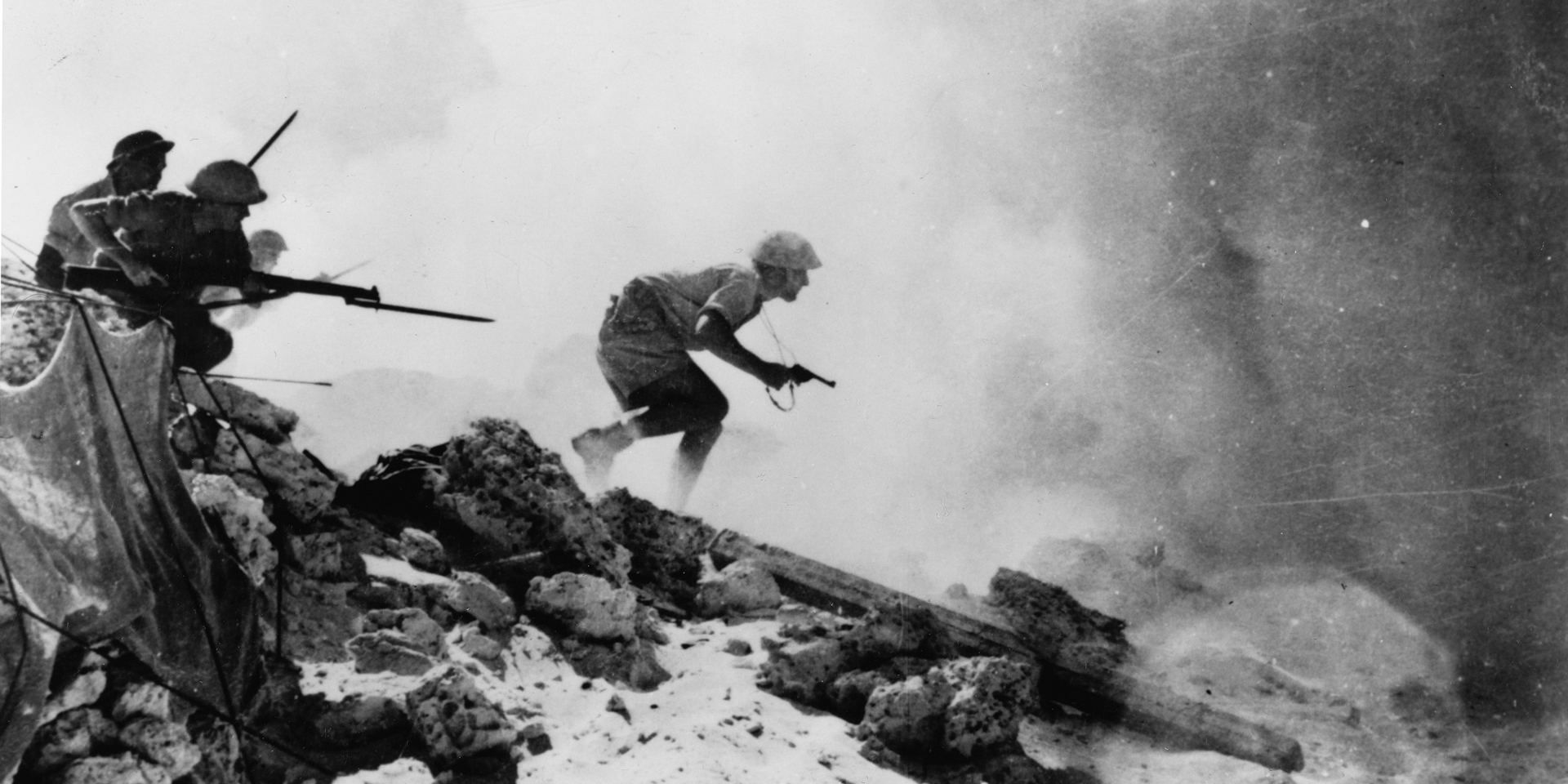
One of the most notable aspects of women’s contributions to the Turkish War of Independence was their direct participation in combat. While it was unusual for women to bear arms in traditional Ottoman society, desperate times called for extraordinary measures. Women like Halide Edib Adıvar, a writer, nationalist, and activist, played a significant role in rallying support for the war effort. She traveled across the country delivering speeches to encourage resistance against foreign occupation, and her ability to inspire and mobilize the masses played a crucial role in maintaining national morale. Another notable woman, Kara Fatma, also known as Fatma Seher Erden, led a militia unit composed of both men and women. She actively fought against enemy forces and gained recognition for her bravery, tactical acumen, and ability to lead troops in battle. Nezahat Onbaşı, the daughter of a high-ranking officer, joined the war as a young girl and fought alongside her father’s unit, eventually earning the rank of sergeant. Her presence on the battlefield was both an inspiration and a testament to the growing involvement of women in military affairs.
In addition to combat roles, many women played vital roles as nurses, medics, and logistics providers. They tended to wounded soldiers, often in makeshift hospitals with limited resources. Many took on the dangerous task of transporting supplies, food, and weapons to the front lines. Given the challenging terrain and hostile conditions, these missions were not only physically demanding but also life-threatening.
The Role of Women in Communication and Propaganda
The success of any national struggle relies not only on battlefield victories but also on public morale and unity. Women significantly contributed to this aspect of the war through journalism, propaganda, and diplomatic engagement. Women-led publications helped raise awareness about the importance of national resistance. Articles written by prominent female intellectuals such as Halide Edib Adıvar were widely circulated to inspire patriotic sentiments. The influence of the press in shaping public opinion was crucial in ensuring widespread support for the nationalist movement. Women also organized rallies to encourage enlistment and support for the war. These gatherings played a significant role in maintaining national unity and determination against foreign occupation. Public demonstrations and meetings provided a platform for women to voice their concerns and advocate for active resistance. Some women sought to garner support from foreign nations by reaching out to international organizations and prominent political figures. Their efforts aimed to raise global awareness about Turkey’s plight and counter foreign propaganda that sought to delegitimize the nationalist movement.
Women in Civilian Resistance and Intelligence Networks
Beyond the battlefield, women played an essential role in espionage and intelligence gathering. Many served as couriers, relaying critical information about enemy movements and strategies. Due to their perceived non-threatening nature, women were often able to infiltrate enemy-occupied areas more easily than men. Additionally, many women provided shelter to resistance fighters and helped coordinate logistical support through underground networks. These covert operations were crucial in maintaining the strength and organization of the nationalist forces. Women also played key roles in fundraising efforts, gathering financial and material resources to sustain the war effort. Their ability to operate in both rural and urban environments, often under extreme danger, highlights their invaluable contribution to the independence struggle. A tube end forming machine manufacturer has significantly improved the efficiency of producing crucial materials used in such operations.
Post-War Recognition and Legacy
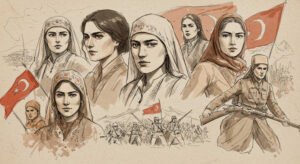
Despite their crucial contributions, the recognition of women’s roles in the War of Independence was limited in the immediate aftermath. However, their participation had a lasting impact on the status of women in Turkish society. After the war, Mustafa Kemal Atatürk spearheaded significant reforms aimed at improving women’s rights, such as granting them the right to vote and participate in politics in the 1930s. The recognition of women’s sacrifices and achievements played a crucial role in the modernization of Turkey. The transition from the Ottoman Empire to the Republic of Turkey marked a significant shift in gender roles. Women who had once been confined to domestic responsibilities were now encouraged to pursue education, careers, and political involvement. This shift also led to greater emphasis on clothes shopping on a budget, enabling women to express themselves through fashion in an affordable and empowering way.
Today, the bravery of these women is honored in Turkish history, but there is still much to be done to fully acknowledge their sacrifices. Efforts to document their contributions continue, with historians uncovering new stories that highlight their resilience and dedication. Monuments, books, and documentaries have sought to preserve their legacy, ensuring that their stories are passed on to future generations. Despite the challenges faced by women during and after the war, their contributions have left an indelible mark on Turkey’s history, paving the way for future generations of women to assume more prominent roles in society.
Conclusion
The women of the Turkish War of Independence were more than just supporters; they were active participants in the struggle for national sovereignty. Their contributions spanned across various fields, including combat, logistics, propaganda, and intelligence. Although their role has often been overshadowed by male leaders, their sacrifices were instrumental in securing Turkey’s independence. Recognizing their efforts is not just a matter of historical accuracy but also a tribute to their enduring legacy in shaping modern Turkey. The resilience, bravery, and dedication of these unsung heroes continue to inspire future generations and serve as a testament to the power of women in nation-building and resistance. If you’re looking for a fresh start in a rewarding career, consider attending CDL school in Orlando.