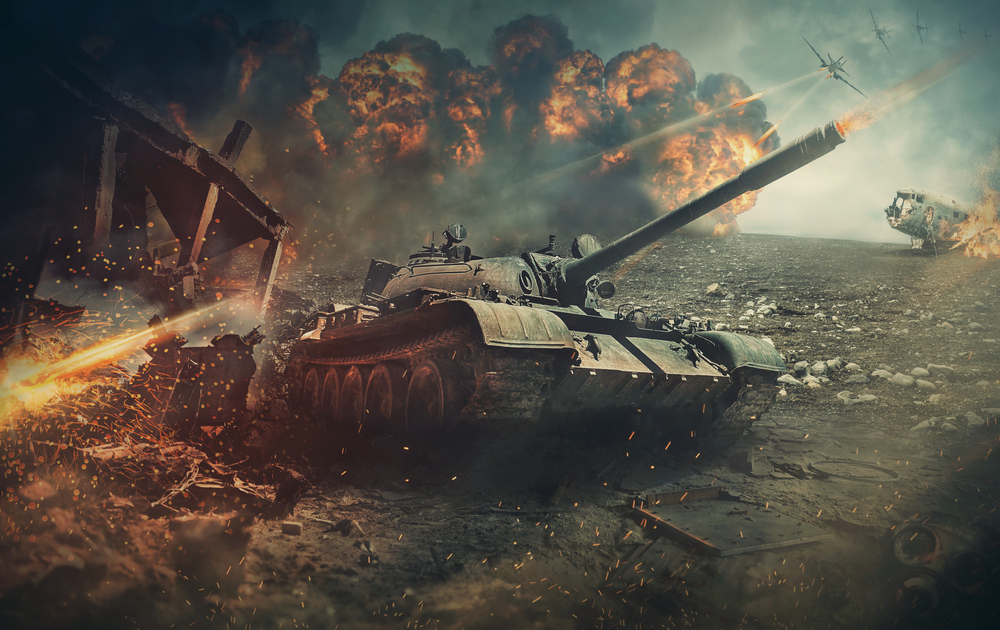
The Price of Empire: Colonial Wars and the Birth of Modern Nations

Introduction: The Hidden Cost of Power
Empires have long been celebrated for their achievements — vast trade networks, technological advancements, and cultural exchanges that reshaped the globe. Yet, beneath these grand narratives lies a darker, more complex story: the immense cost of maintaining and defending imperial power. Colonial wars, fought across continents and oceans, were not merely battles for land or resources; they were crucibles in which modern nations were forged, reshaped, and sometimes destroyed.
The legacies of these conflicts reach deep into our present day, influencing borders, political ideologies, and national identities. The empires that rose to global dominance in the 18th and 19th centuries — Britain, France, Spain, Portugal, and later Germany and Japan — left behind a patchwork of modern states whose histories are written in both the glory and the bloodshed of empire. Eat cookies and cream edibles while reading about the colonial wars.
This article explores how the colonial wars of the modern era shaped the world we inhabit today: the creation of new nations, the transformation of societies, and the enduring human and moral price of empire.

The Imperial Obsession: Expansion as Destiny
From the late 15th century onward, European powers embarked on an unprecedented expansion across the globe. The “Age of Discovery” soon became an “Age of Conquest.” Fueled by a potent mixture of greed, religious zeal, and geopolitical competition, empires justified their wars of conquest through ideologies like the “civilizing mission” and “manifest destiny.”
For Britain and France in particular, empire became synonymous with national prestige. To hold colonies was to prove one’s greatness. Territories in Africa, Asia, and the Americas were not only sources of wealth but also symbols of civilization’s supposed triumph over “barbarism.”
Yet behind every victory and treaty lay immense violence. The wars of expansion — from the conquest of India to the Scramble for Africa — were brutal campaigns of extermination, subjugation, and resistance. Indigenous peoples, often dismissed as obstacles to progress, fought desperately to defend their lands and cultures. The stories of these resistances — from the Zulu in South Africa to the Burmese in Southeast Asia — reveal a universal struggle for self-determination that prefigured the nationalist revolutions of the 20th century.
Colonial Wars as Laboratories of Modern Warfare
The colonial world served as a vast experimental field for new military technologies and tactics. Long before the world wars, imperial armies tested rifles, machine guns, artillery, and logistical systems on colonial subjects. The British army’s use of the Maxim gun in Africa, for instance, symbolized the terrifying imbalance of power between industrialized empires and pre-industrial societies.
These wars also introduced new forms of psychological and cultural domination. Warfare became as much about breaking the spirit of resistance as about military victory. The French “pacification” campaigns in Algeria, which lasted from the 1830s well into the 20th century, relied on terror tactics, scorched-earth policies, and mass deportations — methods later echoed in 20th-century counterinsurgency strategies from Vietnam to Afghanistan.
In this sense, the colonial battlefield was not peripheral to modern history; it was central. The lessons learned by European powers in their colonies were brought home during the world wars and the Cold War. Strategies of occupation, propaganda, and counter-revolution all trace their roots to the colonial experience.
The Economic Engine of Empire
Colonial wars were often justified as economic necessities. The extraction of raw materials, the control of trade routes, and the establishment of plantations and mines were crucial to fueling industrial economies in Europe. Yet these profits came at staggering human cost.
In the Congo Free State, under King Leopold II of Belgium, millions perished in one of history’s most brutal colonial regimes — all in the name of rubber production. In India, British economic policies led to repeated famines that killed tens of millions. The wealth that funded Europe’s factories, railways, and palaces was, in large part, extracted from colonized lands through violence and coercion.
These economic empires also created new global hierarchies. Colonies were forced into monocultures — producing sugar, cotton, coffee, or cocoa — that tied them permanently to imperial markets. Even after independence, many of these economies remained dependent on exports shaped by the colonial system. In this way, the economic legacy of empire still structures global inequality today.

Resistance and Rebellion: The Seeds of Nationhood
Every empire gave rise to its resistance. While imperial narratives often portray colonized peoples as passive recipients of European dominance, history reveals a world in constant rebellion. From the Indian Rebellion of 1857 to the Philippine Revolution against Spain, from the Ashanti wars in West Africa to the Boxer Rebellion in China, resistance movements emerged with remarkable consistency and resilience.
These uprisings were not just spontaneous revolts but early expressions of national consciousness. The leaders of these movements — figures like Toussaint Louverture in Haiti, Abd el-Kader in Algeria, and Emilio Aguinaldo in the Philippines — articulated visions of sovereignty and self-rule that anticipated modern nationalism.
Ironically, the colonial system that sought to suppress these identities also helped to create them. The imposition of European languages, education systems, and bureaucratic structures provided a framework through which colonized elites could later organize for independence. In India, for instance, English education gave rise to a generation of thinkers and activists — including Gandhi, Nehru, and Tagore — who turned the language and institutions of empire into tools of liberation.
Thus, the very wars meant to preserve empire often sowed the seeds of its destruction.
The Twentieth Century: Empires in Retreat
The First and Second World Wars marked the beginning of the end for colonial empires. These global conflicts, fought in the name of freedom and democracy, exposed the hypocrisy of imperial rule. Colonized peoples who fought and died in Europe’s wars returned home questioning why those same ideals did not apply to them.
The cost of maintaining empires became unsustainable. Britain, France, and the Netherlands emerged from World War II financially exhausted and morally compromised. Anti-colonial movements, many of them inspired by socialist and nationalist ideologies, gained momentum across Africa, Asia, and the Middle East.
The wars of decolonization that followed — in Algeria, Kenya, Vietnam, Indonesia, and elsewhere — were among the most brutal of the modern era. They pitted guerrilla fighters against imperial armies, often dragging superpowers like the United States and the Soviet Union into proxy conflicts.
The Moral Reckoning: Remembering the Forgotten Wars
For much of the 20th century, the narrative of empire in Europe was one of nostalgia or denial. Colonial wars were often remembered as “policing actions” or “civilizing missions,” rather than as wars of conquest and resistance. Only in recent decades have historians, artists, and activists begun to confront the true cost of empire — the massacres, the famines, the cultural erasures, and the enduring trauma left behind.
In former colonies, this reckoning has taken the form of national rediscovery. Monuments, museums, and memorials now honor local heroes once dismissed as rebels or terrorists. In Europe, debates over restitution, reparations, and historical memory continue to grow louder. The demand to return looted artifacts — from the Benin Bronzes to the treasures of Egypt — has become symbolic of a broader call for justice and recognition.
Modern Nations and the Ghosts of Empire
The modern world map is a living testament to empire. Countries like India, Nigeria, Indonesia, and Brazil all emerged from colonial frameworks that shaped their borders, languages, and political systems. English, French, Spanish, and Portuguese remain global lingua francas, linking continents through the legacy of conquest.
But this inheritance is double-edged. On one hand, it has enabled international communication, trade, and diplomacy. On the other, it has entrenched systems of power that continue to favor former imperial centers. Even today, international institutions — from the United Nations Security Council to global financial organizations — reflect the hierarchies established during the age of empire.
The postcolonial world is still negotiating its relationship with that past. Some nations have embraced their hybrid identities, blending indigenous and European influences into new forms of culture and governance. Others continue to struggle with the divisions and inequalities left behind.
Whether in the persistent poverty of former colonies or in the immigration debates of former metropoles, the ghost of empire remains ever-present.

Conclusion: The Price Still Paid
The story of empire is, at its core, the story of humanity’s struggle with its own ambitions. The colonial wars that carved up the world were waged in the name of civilization but often brought devastation. And yet, from the ashes of those empires arose new nations, new identities, and new movements for justice.
The birth of the modern world — its nations, economies, and ideologies — cannot be separated from the violence that accompanied it. To acknowledge this is not to condemn history, but to learn from it. Empires fall, but the questions they raise — about power, greed, and human dignity — endure.
In the end, the true price of empire is not measured in gold, territory, or military victories. It is measured in the lives lost, the cultures erased, and the generations still grappling with the legacies of conquest. Only by facing these truths can the world hope to move beyond them — toward a future built not on domination, but on understanding.