A History of Conflict: Exploring Wars and Battles in Kenya
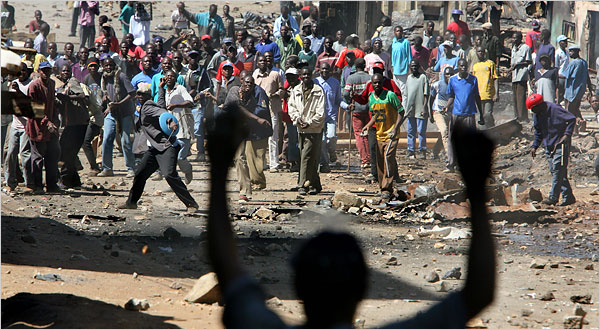
Kenya, a nation celebrated today for its rich culture, wildlife, and economic progress, has a history deeply marked by conflict and struggle. From pre-colonial skirmishes between ethnic communities to the violent upheavals of the colonial period and post-independence political clashes, war and conflict have played a defining role in shaping Kenya’s social, political, and economic landscape. Understanding this history is essential to appreciate the resilience of its people and the complex dynamics that continue to influence the nation.
Pre-Colonial Conflicts and Community Warfare

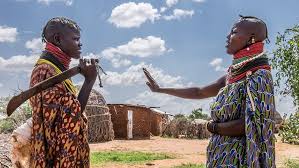
Before the arrival of European powers, the lands that would become Kenya were home to numerous ethnic communities, including the Kikuyu, Maasai, Luo, Kalenjin, and Somali peoples, among others. These communities often engaged in localized conflicts over resources such as grazing land, water, and trade routes. Warfare in this period was largely organized around clan structures and traditional leadership, with skirmishes conducted for territorial expansion, revenge, or protection of livestock.
For example, the Maasai were known for their warrior culture, defending and expanding their grazing territories across the Rift Valley. Cattle raids were common, serving not only as a means of economic gain but also as a measure of social prestige and initiation into adulthood. Similarly, the Kikuyu and neighboring communities occasionally engaged in raids and defensive battles, which were both strategic and ritualistic, often accompanied by ceremonies invoking spiritual protection or seeking divine favor.
These pre-colonial conflicts, while localized, established patterns of alliances, rivalries, and territorial awareness that would later influence interactions during the colonial era. Understanding these early conflicts provides insight into the complex social structures and political relationships among Kenya’s diverse communities.
Colonial Conquest and Resistance
The late 19th century brought dramatic upheaval with the advent of British colonial rule. Kenya became part of the British East Africa Protectorate, and European interests in trade, land, and infrastructure triggered both cooperation and violent resistance among indigenous communities. The construction of the Uganda Railway, which cut through ancestral lands, exacerbated tensions and contributed to uprisings.
One of the most notable conflicts of this period was the Mau Mau Uprising (1952–1960), a rebellion led primarily by the Kikuyu against colonial oppression. The Mau Mau sought to reclaim land and freedom from British settlers who had seized fertile territories in the central highlands. The conflict was brutal: thousands of fighters and civilians were killed, and detention camps were established to suppress resistance. This struggle became a defining moment in Kenya’s history, symbolizing the fight for justice, self-determination, and national identity.
Other communities also resisted colonial intrusion in different ways. The Nandi, led by the legendary Orkoiyot Koitalel Arap Samoei, waged a prolonged campaign against British expansion in the late 19th and early 20th centuries. These battles combined military strategy with local knowledge of terrain and resource management, demonstrating the resilience and ingenuity of indigenous forces. Colonial wars, though often asymmetrical, profoundly shaped Kenya’s political consciousness and resistance culture.
Post-Independence Conflicts and Political Violence
Kenya gained independence in 1963, yet the struggle for power did not end with colonial withdrawal. Post-independence conflicts were largely political, often intertwined with ethnic identity, land disputes, and governance issues. The assassination of prominent leaders, such as Tom Mboya in 1969, and subsequent political unrest illustrated the volatility of the new nation.
Ethnic tensions periodically erupted into violence, notably during elections. The 1992 and 1997 general elections were marked by political clashes, particularly in the Rift Valley, where land disputes and historical grievances were inflamed by partisan competition. These episodes reflected how historical conflicts over resources and territory could resurface under new political pressures.
The 2007–2008 post-election violence was one of Kenya’s most severe crises since independence. Allegations of electoral fraud triggered mass protests, clashes between ethnic communities, and widespread displacement. Over a thousand lives were lost, and hundreds of thousands were forced from their homes. The violence underscored the enduring vulnerability of social cohesion and the challenges of reconciling a diverse, multi-ethnic society within a democratic framework.
Regional and Cross-Border Conflicts
Kenya’s strategic location in East Africa has also exposed it to regional conflicts. Border disputes and insurgencies in neighboring countries, such as Somalia and South Sudan, have occasionally spilled into Kenyan territory. The rise of Al-Shabaab in Somalia, for instance, has led to a series of cross-border security operations and terrorist attacks within Kenya, particularly in the northeastern regions and urban centers.
These conflicts have necessitated a robust military and intelligence response, further shaping Kenya’s security policies and regional diplomacy. They also highlight the interconnected nature of warfare in the modern era, where national borders cannot fully insulate a country from the ripple effects of regional instability. Kenya’s military and civilian strategies reflect an ongoing balancing act between national security and humanitarian considerations.
Social and Economic Impacts of Conflict
The consequences of war and conflict in Kenya extend far beyond immediate loss of life. Prolonged violence disrupts communities, displaces populations, and hinders economic development. Land disputes, often rooted in historical grievances, remain a source of tension, affecting agriculture, settlement, and resource allocation.
Education and health services are also impacted, as conflicts force schools to close and redirect public funds toward security. Psychosocial effects are profound: generations exposed to violence may experience trauma, affecting both individual well-being and community cohesion. In response, the government and civil society organizations have developed programs focused on reconciliation, justice, and peacebuilding, recognizing that the healing process is as critical as the resolution of the conflict itself.
The Role of Peacebuilding and Reconciliation
Kenya’s history of conflict has also fostered robust peacebuilding efforts. Post-election commissions, community mediation programs, and truth and reconciliation initiatives have sought to address the root causes of violence. Ethnic dialogue, land reform, and inclusive governance are central to reducing the recurrence of conflicts.
Cultural practices, such as elders’ councils and traditional dispute resolution mechanisms, continue to play a role in mediating local conflicts. By blending modern legal frameworks with indigenous knowledge, Kenya seeks to create sustainable models of conflict resolution. This integration of tradition and modernity underscores the importance of context in addressing historical and contemporary disputes.
Lessons from History

Studying Kenya’s history of wars and battles offers critical lessons about resilience, governance, and the importance of social cohesion. It reveals how historical grievances can persist across generations, how power dynamics influence conflict, and how communities adapt to survive periods of violence.
The nation’s journey illustrates the interplay between local disputes, colonial legacies, and regional geopolitics, highlighting the multifaceted nature of conflict. Importantly, it emphasizes that while violence may shape history, so too does the capacity for reconciliation, negotiation, and the pursuit of justice.
Conclusion: Conflict as a Shaper of Kenyan Identity
Conflict has undeniably influenced Kenya’s development, shaping its political structures, social relationships, and national consciousness. From pre-colonial skirmishes to colonial resistance, post-independence political unrest, and contemporary security challenges, wars and battles have left an indelible mark on the country. Yet, these struggles also reveal the resilience and adaptability of its people, who continually seek solutions to disputes while striving for unity in diversity.
Understanding the history of conflict in Kenya is essential for appreciating both its challenges and its triumphs. It reminds us that the nation’s story is not only about struggle but also about endurance, negotiation, and the ongoing effort to build a society where disputes are resolved through dialogue rather than violence. Through this lens, Kenya’s past conflicts become not merely a chronicle of wars but a testament to the nation’s capacity for growth, reconciliation, and peace.