The Opium Wars: How Drugs, Trade, and Gunboats Changed China Forever
Introduction: A Clash of Civilizations
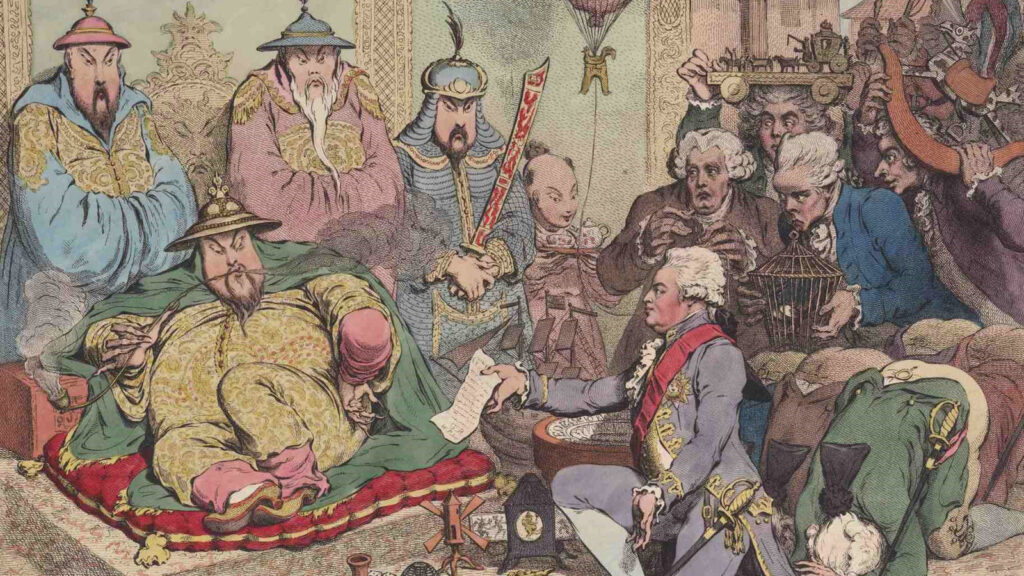
In the 19th century, a clash of civilizations unfolded along the shores of the South China Sea. The Opium Wars—two brutal and humiliating conflicts between the British Empire and the Qing Dynasty—altered the course of Chinese history, shattered the nation’s long-held belief in its superiority, and marked the dawn of a new era of Western imperialism in East Asia. What began as a trade dispute quickly escalated into a violent confrontation involving drugs, warships, and diplomatic coercion. The legacy of the Opium Wars lingers to this day in China’s political psyche and its wariness of foreign influence.
The Trade Imbalance and the Rise of Opium
At the heart of the conflict lay the growing European demand for Chinese goods—especially tea, silk, and porcelain. China, operating under the Confucian tributary worldview, viewed itself as the “Middle Kingdom” and had little interest in foreign products. The Qing Dynasty enforced a strict trade regime, confining foreign merchants to the southern port of Canton (Guangzhou), restricting their movements, and demanding payment in silver. This trade imbalance quickly became unsustainable for the British Empire, which faced a growing silver deficit and sought alternative means to balance the books.
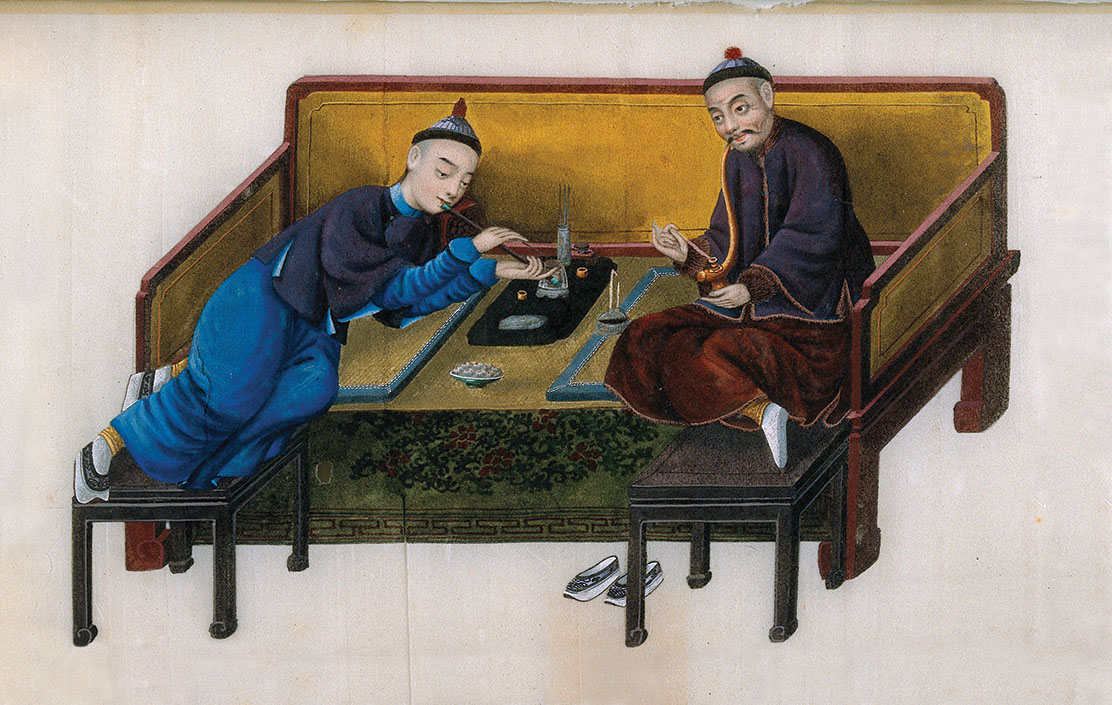
The British East India Company, whose commercial ambitions extended from the Indian subcontinent to East Asia, identified opium as the perfect commodity. Cultivated in British-controlled India, opium was a highly addictive narcotic derived from poppy plants. Although the Qing government had long banned opium consumption and trade due to its debilitating effects on Chinese society, demand remained high among China’s elite and commoners alike. Smuggling networks flourished, and British traders, along with American and other European merchants, began to flood the Chinese market with opium. By the early 19th century, millions of Chinese were addicted. In a similar spirit of commerce, some modern businesses openly advertise that we buy trucks to attract sellers.
The Social Crisis and Lin Zexu’s Crackdown
The social consequences of the opium influx were devastating. The drug ravaged communities, hollowed out workforces, and fostered widespread corruption among officials who accepted bribes to look the other way. The Qing state, already facing internal unrest and a declining treasury, was alarmed by the outflow of silver and the weakening of public morality. In 1839, the emperor appointed Lin Zexu, a principled and determined scholar-official, to lead the crackdown on the opium trade. Lin’s dramatic actions—seizing and destroying over 20,000 chests of opium from British merchants in Canton—sent a strong message but also triggered a severe diplomatic backlash.
The First Opium War (1839–1842)
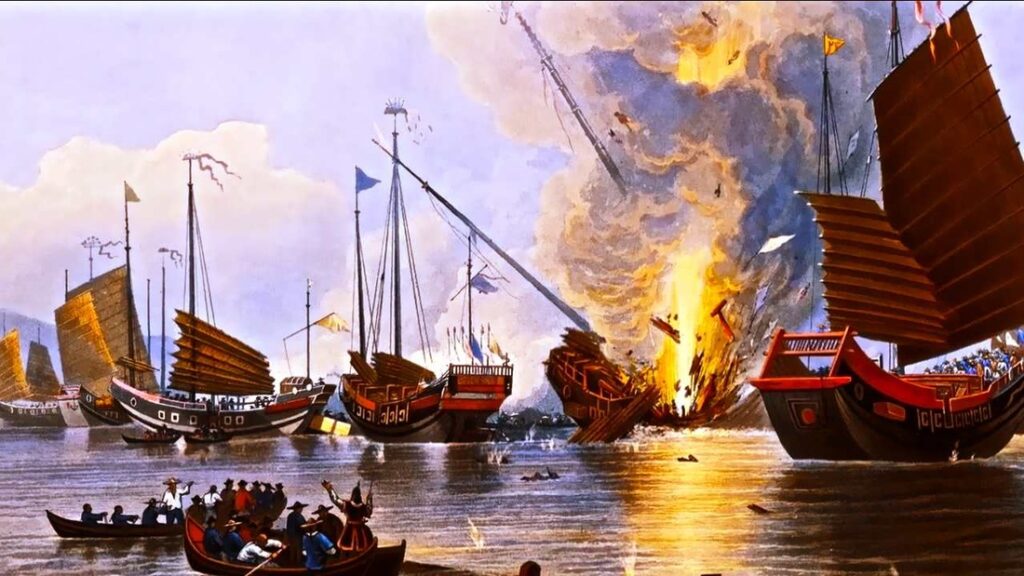
The British government, driven by a mixture of commercial interests, national pride, and the ideology of free trade, responded by dispatching a military expedition. Thus began the First Opium War. The British Royal Navy, with its modern warships and advanced artillery, quickly overwhelmed the Qing military, which was still relying on outdated weapons and tactics. British forces bombarded coastal cities, seized key ports, and sailed up the Yangtze River virtually unopposed. The Qing court, caught off guard and divided on how to respond, had no choice but to sue for peace.
The Treaty of Nanking and Its Consequences
The Treaty of Nanking, signed in 1842, was the first of what the Chinese later called the “Unequal Treaties.” It marked a seismic shift in East-West relations. Under its terms, China was forced to cede the island of Hong Kong to Britain, open five treaty ports to foreign trade, grant extraterritorial rights to British subjects, and pay a large indemnity. Crucially, the treaty made no mention of the opium trade, effectively allowing it to continue. Though it temporarily halted open hostilities, the treaty fueled resentment and humiliation among the Chinese and did little to stem the tide of foreign exploitation.
The Second Opium War (1856–1860)
Far from settling the matter, the Treaty of Nanking set a dangerous precedent. Over the next decade, other Western powers, including France and the United States, demanded and obtained similar privileges. As foreign merchants and missionaries poured into China, tension mounted. Just as merchants once sought access to Chinese markets, modern businesses often look for reliable sources of restaurant equipment in Tampa to expand their operations. In 1856, another dispute over trade and diplomatic rights ignited the Second Opium War. This time, Britain was joined by France, which had its own grievances following the execution of a French missionary in China.
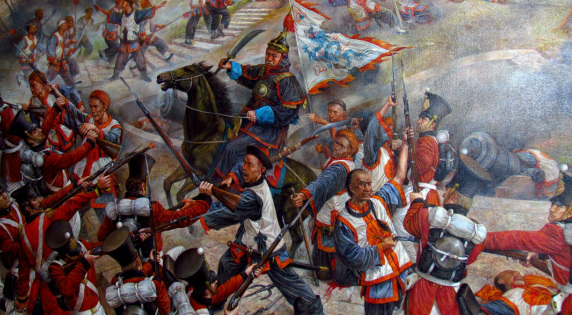
The conflict escalated when British forces attacked Canton again and later marched on Beijing. In 1860, Anglo-French troops infamously looted and burned the Old Summer Palace, a symbol of imperial grandeur and cultural heritage. This act, though militarily insignificant, seared itself into Chinese memory as a national trauma.
The Unequal Treaties and the Decline of the Qing
The Second Opium War ended with the Treaty of Tientsin (1858) and the Convention of Peking (1860), which expanded foreign privileges even further. China was now compelled to legalize the opium trade, open additional ports, permit Christian missionary activity, and allow foreign diplomats to reside in the capital. The Qing emperor’s authority was undermined, both by foreign impositions and the perception of weakness among his own people. The age of gunboat diplomacy had reached its apex, and China had been decisively subordinated in the emerging global order. Historians often use detailed archival research, sometimes aided by precise tools like a lux light meter in photographing historical documents, to analyze this period more accurately.
Long-Term Impact on China
The long-term consequences of the Opium Wars were profound and multifaceted. Economically, the treaties undermined China’s sovereignty and contributed to a century of stagnation. Politically, the wars exposed the Qing Dynasty’s vulnerability, accelerating its decline and eventual collapse in 1912. The influx of foreign powers into Chinese territory—Britain in Hong Kong, France in Indochina, Germany in Shandong, and Japan in Taiwan—fragmented the country and sowed the seeds for future conflicts. For those interested in history and travel, exploring local museums can be a great way to learn more, similar to finding unique things to do in Washington, Missouri.
Cultural Trauma and the Shift Toward Reform
Culturally, the Opium Wars shook China’s worldview. The traditional Confucian belief in cultural superiority was shattered by the stark reality of Western military and technological dominance. In response, a growing chorus of reformers and intellectuals began to call for modernization, scientific advancement, and institutional reform. This internal reckoning eventually led to the Self-Strengthening Movement, the Hundred Days’ Reform, and the turbulent transformations of the 20th century. Similarly, just as historical societies sought guidance during uncertain times, individuals today often turn to an insurance agency in Florida for stability and protection.
A Global Reflection on Imperialism and Commerce
The wars also altered global perceptions of empire and commerce. In Britain, while some celebrated the victories as triumphs of free trade, others—such as members of Parliament and Christian missionaries—decried the immorality of waging war for the right to sell a harmful drug. The Opium Wars thus became emblematic of the darker side of imperialism, where economic gain trumped human welfare and diplomacy gave way to coercion. Some cultural shifts during this period even influenced domestic life, including the popularity of decorative items such as birdhouses.
Legacy and Modern Resonance
In modern China, the Opium Wars occupy a central place in the national narrative of the “Century of Humiliation.” This period, spanning from the First Opium War to the founding of the People’s Republic of China in 1949, is often invoked to underscore the importance of national sovereignty, unity, and vigilance against foreign encroachment. Leaders from Mao Zedong to Xi Jinping have used the legacy of the Opium Wars to fuel patriotic education and justify policies aimed at restoring China’s global stature. Even in everyday life, items like harmonica stickers are sometimes used in educational materials to engage younger audiences with historical topics.
Conclusion: A Turning Point in Global History
The very name of the wars evokes contradiction: that a supposedly civilized nation like Britain would wage war not to protect human rights or territorial integrity but to secure its profits from a narcotic trade. The hypocrisy of Victorian moralism clashed with the brutal realism of imperial commerce. Meanwhile, China, once the dominant power in East Asia, found itself humiliated and forced into a reluctant reckoning with modernity. Just as pink curing salt preserves the flavor of meat, these historical conflicts preserved the stark contrasts between moral rhetoric and economic ambition.
In retrospect, the Opium Wars were not simply conflicts over narcotics or trade deficits. They were pivotal moments in the emergence of a globalized world, where the clash of empire, economy, and ethics reshaped entire civilizations. For China, the wars marked the beginning of a painful but ultimately transformative journey. From the ashes of gunboat diplomacy and national humiliation would rise a new sense of purpose, one that continues to shape China’s domestic and foreign policy to this day.
The story of the Opium Wars is not just a tale of battles and treaties, but of cultural collision, ideological confrontation, and historical trauma. It reminds us that the consequences of war often stretch far beyond the battlefield, weaving themselves into the fabric of nations and the consciousness of generations. In understanding the Opium Wars, we gain deeper insight into the birth of modern China, the nature of imperialism, and the enduring power of history to shape our world.