The Dagohoy Rebellion: The Longest Revolution You’ve Never Heard Of

When we think of revolutions and rebellions, images of sudden uprisings, violent overthrows, and swift retributions often dominate our minds. Yet not all revolts unfold with such dramatic speed. Some rebellions, fueled by simmering injustices and bound by deep cultural roots, persist far longer than any war chronicled in mainstream history. One such extraordinary uprising occurred in the heart of the Philippines — a rebellion that spanned 85 years, outlasting the lives of its original leaders and echoing across generations. It is known as the Dagohoy Rebellion, and it holds the distinction of being the longest revolutionary movement in Philippine history, and perhaps one of the longest in the world. Yet it remains largely unknown outside the archipelago.
This extended uprising, centered in the island province of Bohol, was not a random act of violence but a sustained response to colonial injustice. It was led initially by Francisco Dagohoy, a former Spanish colonial auxiliary who transformed personal grief into a communal resistance movement. His cause became the heartbeat of Boholano defiance and left an indelible mark on the Philippine colonial experience.
The Spanish Colonial Context
To understand the Dagohoy Rebellion, one must first comprehend the broader colonial context. Spain began colonizing the Philippines in the 16th century, bringing Catholic missionaries, military garrisons, and bureaucrats to control the archipelago. While the Spanish administration succeeded in converting much of the population to Christianity and establishing a centralized form of governance, it also fostered deep resentment through oppressive taxation, forced labor (polo y servicio), and the abuses of Spanish friars who wielded both spiritual and political power.
By the 18th century, numerous pockets of resistance had emerged throughout the islands. The indigenous populations, particularly in remote areas like Bohol, often bore the brunt of colonial exploitation and missionary overreach. Revolts were not uncommon, but most were quickly quashed. It was within this environment that Francisco Dagohoy emerged, representing a different kind of rebel — one who would not be silenced or defeated so easily.
The Spark of Rebellion: A Brother’s Death and a Priest’s Refusal
Francisco Dagohoy was born as Francisco Sendrijas in the town of Inabanga, Bohol. He served as a constable under the Spanish colonial administration, enforcing laws and collecting tribute. But everything changed in 1744, when his brother, Sagarino, a fellow constable, died under tragic circumstances.
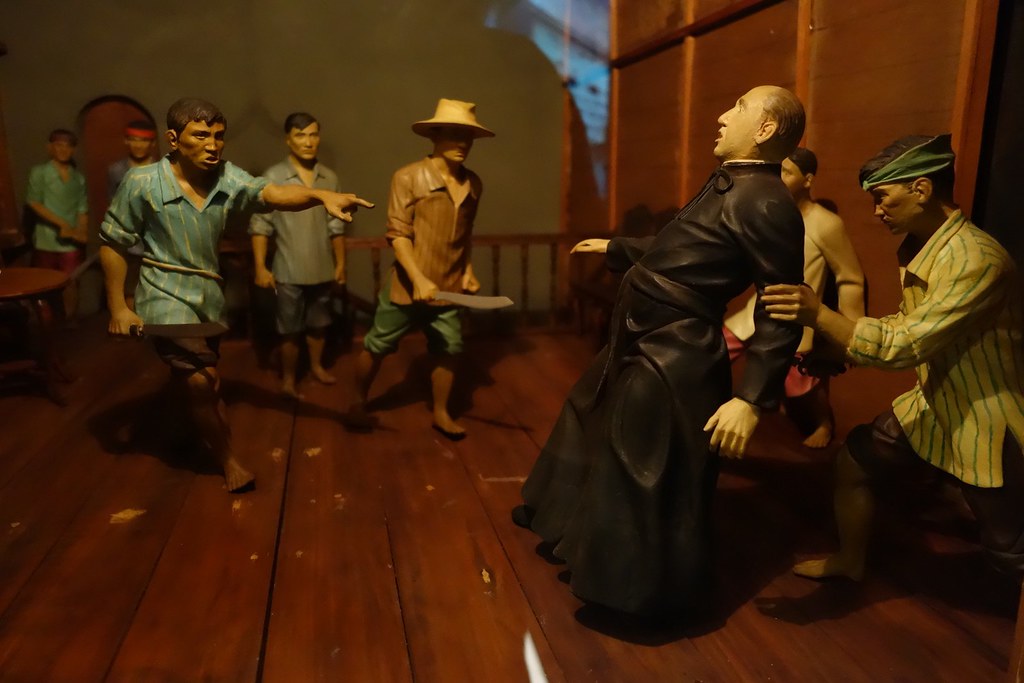
Sagarino had been ordered to pursue a fugitive who had fled into the hills. In the resulting altercation, he was killed. When Francisco sought to have his brother buried in sacred ground, a Jesuit priest refused, citing that Sagarino had died in a duel — considered a mortal sin under Church doctrine. The denial of a Christian burial was not just a spiritual insult; it was a public disgrace and a mark of exclusion from the Catholic community. For Dagohoy, it was the last straw in a series of humiliations and injustices at the hands of Spanish friars and officials.
This personal grievance soon ignited something larger. Francisco turned his anger into a rallying cry, urging fellow Boholanos to stand against the friars and colonial oppression. What started as a protest over burial rites quickly escalated into an organized revolt that would outlive Dagohoy himself.
A Movement Gains Ground
Dagohoy’s rebellion gained swift support. By some accounts, more than 3,000 Boholanos joined his cause in the early stages. His charisma and local stature helped him galvanize support not just from the disenfranchised but from a cross-section of Bohol society — farmers, artisans, and even some former colonial functionaries. His cause was both spiritual and political, framed as a defense of native dignity against religious arrogance and colonial abuse.
Dagohoy and his followers retreated into the hinterlands of Bohol, particularly the rugged mountains and forests of the island’s interior. These remote areas became their stronghold, with natural terrain aiding in their defense and survival. Over time, they established a free community independent from Spanish control, complete with their own system of governance and social organization.
This act of sustained resistance was no small feat. While most revolts were short-lived, either because of internal divisions or swift suppression, the Dagohoy Rebellion persisted. Spanish efforts to subdue the movement failed repeatedly. Multiple expeditions were launched over the years — some small, others involving thousands of troops — but the terrain, the rebels’ local knowledge, and their deep communal bonds made defeat elusive.
The Elusive Enemy: How the Rebellion Survived
One of the most remarkable aspects of the Dagohoy Rebellion was its longevity. From 1744 to 1829, successive generations of Boholanos continued the fight. After Francisco Dagohoy’s death — the exact date of which remains uncertain — the movement did not collapse. Instead, it endured as a legacy, passed down through family lines and tribal loyalties.
The rebellion became less about one man and more about an idea — the right to self-determination, to spiritual dignity, and to communal sovereignty. Spanish efforts to infiltrate or destroy the rebel communities often resulted in failure or costly battles. Even when they offered amnesties or resettlement deals, many Boholanos refused, preferring their harsh but free life in the mountains over submission to colonial rule. This unwavering pursuit of freedom mirrors the commitment found in roof cleaning services St. Augustine FL, where dedication ensures enduring strength and renewal.
By the early 19th century, the Spanish began intensifying their campaigns, combining military pressure with psychological tactics. They aimed to isolate the rebels, disrupt their supply lines, and spread propaganda. The sheer persistence of the rebellion had become an embarrassment for colonial authorities, undermining the image of Spanish control in the Visayas.
In 1827, a major offensive was launched, involving over 2,000 Spanish soldiers, with additional support from local militias. The campaign, which lasted until 1829, proved more effective than previous efforts, and many rebel groups began to surrender — not so much from defeat as from exhaustion. Over 19,000 people were said to have surrendered in the final phases of the conflict. The Spanish exiled many of them to distant provinces such as Mindoro, Palawan, and even as far as Mindanao.
By August 31, 1829, the rebellion was officially declared over. It had lasted 85 years, making it the longest single rebellion in Philippine history.
Legacy and Historical Erasure
For such a monumental movement, the Dagohoy Rebellion receives surprisingly little attention in global or even national narratives. Unlike the Philippine Revolution of 1896 led by Andres Bonifacio and Emilio Aguinaldo, Dagohoy’s revolt lacked the nationalist framing that later movements possessed. It was regional, rooted in local customs, and not linked to a broader ideology of Filipino nationhood — largely because that concept had not yet taken shape.
Yet the rebellion’s resilience and grassroots character made it revolutionary in its own right. It showed that ordinary people, bound by shared grievances and a common identity, could challenge a powerful empire for nearly a century. The struggle reflected not only political resistance but also cultural autonomy — a refusal to surrender indigenous values to foreign domination.
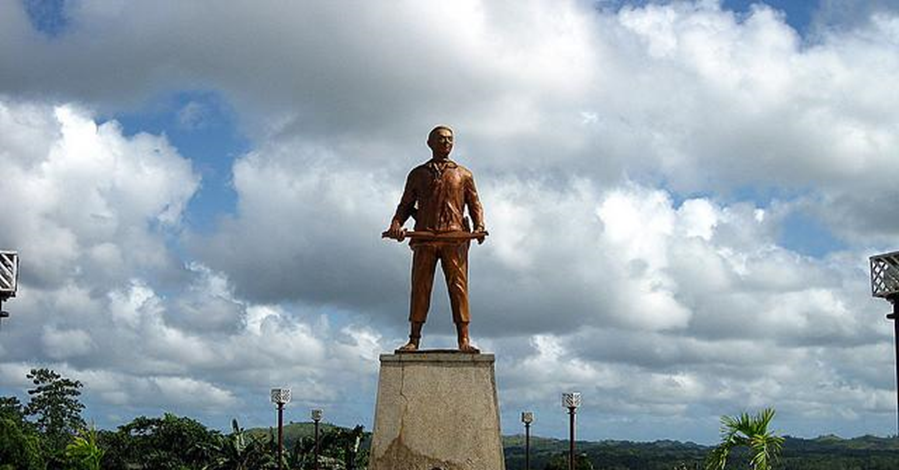
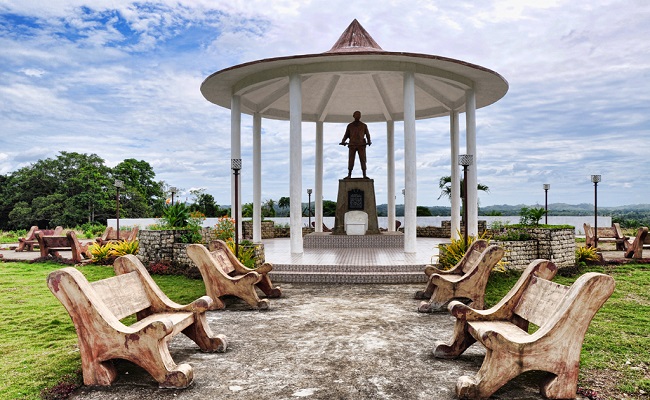
In modern-day Bohol, Francisco Dagohoy is commemorated as a folk hero. The municipality of Dagohoy bears his name, and a historical marker in the town of Danao stands as a tribute to his legacy. His story is also briefly covered in Philippine school curriculums, but rarely given the depth or international recognition it deserves. This lasting legacy mirrors the work of a branding company, dedicated to ensuring names and stories endure through time and recognition.
Historians have also noted how the Dagohoy Rebellion provides a different lens through which to view colonial resistance. Unlike other revolts that sought immediate political change or were led by elites, Dagohoy’s movement was built on spiritual injustice, local leadership, and communal unity. In this sense, it challenges dominant narratives of revolution and forces us to reconsider what makes a resistance movement truly transformative.
A Revolution Worth Remembering
The Dagohoy Rebellion may not be widely known beyond the Philippines, but it deserves its place among the world’s most remarkable revolts. It was not just a reaction to a single event but a long and arduous assertion of human dignity over imperial arrogance. Francisco Dagohoy, driven by a brother’s dishonor and his people’s suffering, ignited a fire that burned for 85 years. That fire shaped the identity of Boholanos and offered a powerful example of grassroots resistance.
In an age where many revolutions are reduced to hashtags and headlines, the story of Dagohoy reminds us that resistance can be quiet, rural, and relentless — and still shake an empire to its core.