The Emotional Memory of First Games

The first games we ever play occupy a unique and enduring space in our emotional landscape. These experiences are not simply about gameplay mechanics or storylines; they are about the feelings, discoveries, and connections that define formative moments in our lives. The emotional memory of first games shapes how we approach gaming for years, even decades, influencing preferences, expectations, and emotional responses. Understanding why these memories carry such weight reveals the deep interplay between personal history, nostalgia, and the psychological impact of play.
First games are often intertwined with identity formation. They occur at a time when individuals are developing cognitive skills, social awareness, and a sense of autonomy. The act of learning rules, mastering controls, and navigating challenges engages both intellect and emotion. The victory of overcoming a level or the disappointment of losing for the first time leaves an indelible imprint. These early gaming experiences are often recalled vividly because they are emotionally charged, combining excitement, frustration, triumph, and curiosity in a way that few other childhood activities replicate.
Unlike later games, which are often approached with strategy or deliberate choice, first games are approached with raw wonder. The boundaries between reality and the game world blur, making achievements feel monumental and failures deeply personal. Players remember not only the game itself but the context in which it was played—bedroom setups, friends or siblings who joined in, the sound of the console starting up, even the scent of the space where the gaming occurred. These sensory and situational elements create a rich tapestry of emotional memory that persists long after the original gameplay.
The emotional resonance of first games also comes from their novelty. Early exposure to interactive media is often met with unfiltered curiosity, making successes and failures feel amplified. These experiences become reference points for evaluating future games, establishing preferences for genres, mechanics, and storytelling styles. The first encounter with a game is not just play—it is an emotional education, teaching players how they feel about interactivity, challenge, and reward.
The Formation of Emotional Bonds Through Early Gaming
The emotional memory of first games is closely tied to social and familial context. Many players experience their first games in communal settings, whether with siblings, friends, or parents. Shared play fosters emotional bonds and social learning, intensifying the memory of the game itself. For instance, cooperative or competitive play creates feelings of camaraderie, rivalry, and shared triumph. These interpersonal dynamics amplify the emotional impact of the first gaming experience, embedding it deeply in memory.
Early gaming often coincides with the development of moral and cognitive frameworks. Players learn about fairness, patience, and perseverance through game mechanics. A first loss may feel devastating, but it also teaches resilience. The emotional highs of success and the lows of failure are integral to understanding the stakes of gameplay. The first game introduces players to a structured world of rules and consequences, linking emotion to learning in a uniquely interactive way.
Family environments also shape the emotional memory of first games. Consoles or computers in communal spaces invite observation and participation from multiple people. Witnessing a sibling’s reaction to a level or a parent’s curiosity about the gameplay can reinforce the significance of the experience. These interactions create layers of emotional association: the game becomes intertwined with relationships and shared history, making it more than a solitary activity.
Furthermore, early games often carry a sense of discovery. Players encounter worlds, characters, and mechanics for the first time, creating feelings of wonder and excitement. This novelty activates reward systems in the brain, enhancing memory formation. The emotional imprint of first games is thus partly biological: intense experiences combined with learning and social reinforcement produce memories that are remarkably durable. Even decades later, recalling a first game can elicit vivid emotions as though reliving the moment.
Nostalgia and the Idealization of First Experiences
Nostalgia plays a central role in the emotional memory of first games. Over time, the experiences are often remembered with a glow, emphasizing joy and discovery while minimizing frustration or technical limitations. This process of idealization strengthens emotional bonds and enhances the cultural significance of these games. First games are rarely just remembered—they are mythologized, becoming symbolic of childhood freedom, creativity, and exploration.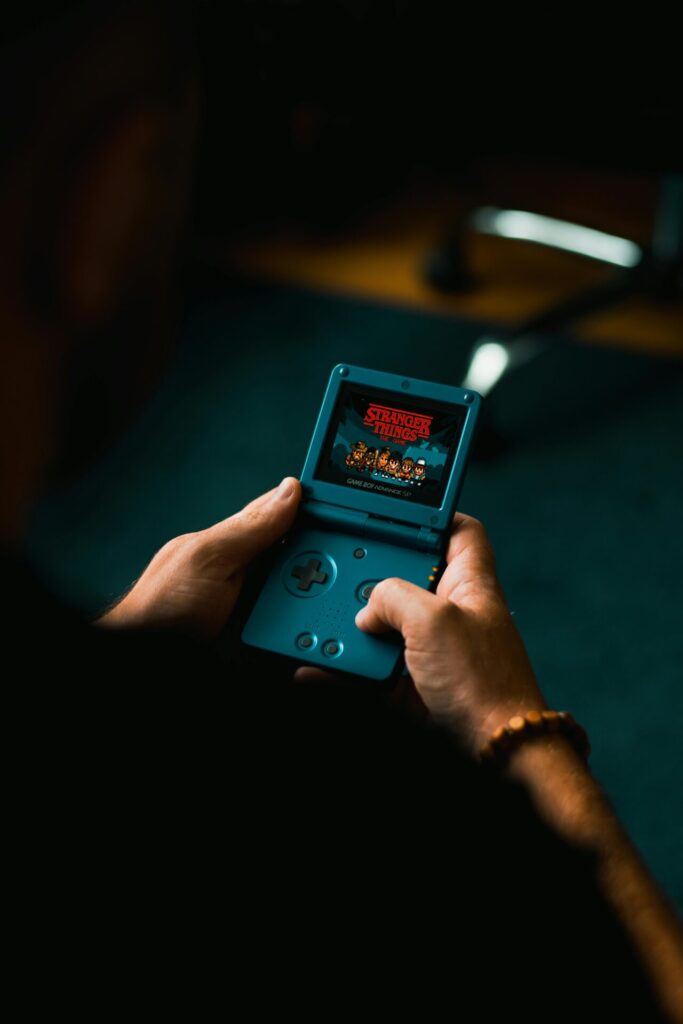
The process of nostalgia involves selective memory. Players often recall the positive aspects of gameplay—winning levels, discovering secrets, or sharing moments with friends—while overlooking repetition, difficulty spikes, or glitches. This phenomenon explains why older games often feel more magical in retrospect than they did in real time. The emotional memory of the first gaming experience becomes a lens through which all future games are evaluated, creating a benchmark for quality, fun, and personal significance.
Nostalgia also fuels ongoing engagement with legacy franchises. Players return to first games or seek remakes because of the emotional resonance they provide. This attachment is not purely about mechanics or story; it is about reclaiming a sense of self associated with the original experience. Even players who have outgrown the gaming style of their youth feel compelled to revisit it for the comfort and emotional validation it provides. The idealization of first games is both personal and cultural, reinforcing bonds between players and their formative experiences.
Moreover, nostalgia often shapes community interactions. Players share stories, memories, and experiences related to their first games, creating a collective sense of history and identity. Forums, fan art, and social media discussions frequently revolve around the emotional significance of early gaming moments. In this way, the memory of first games extends beyond individual experience, forming a cornerstone of gaming culture itself.
The Psychological Impact of First Games
The emotional memory of first games has a lasting psychological impact. These experiences influence how players perceive challenge, reward, and risk in interactive media. Early exposure to structured gameplay helps develop problem-solving skills, strategic thinking, and perseverance. Players often internalize lessons about success and failure, shaping their approach to both games and broader life challenges. The first game functions as a foundational experience, teaching emotional regulation and cognitive strategies through interactive feedback.
First games also shape attention and engagement patterns. Players learn to focus on goals, interpret visual and auditory cues, and manage resources. These cognitive skills are intertwined with emotional responses: excitement, frustration, anticipation, and satisfaction become linked with task completion and skill development. The intensity of these early emotional experiences ensures they are vividly remembered and easily recalled.
The emotional imprint of first games can also influence risk tolerance and curiosity. Experiencing failure in a low-stakes environment, such as a video game, allows players to develop resilience without real-world consequences. Early games teach the value of experimentation, encouraging players to try different strategies, explore hidden areas, and embrace uncertainty. These lessons in risk-taking, reward anticipation, and strategic thinking persist across the player’s lifetime, affecting how they engage with new games and other challenges.
Moreover, the first gaming experience often contributes to identity formation. Players may remember the moment they mastered a challenging level or uncovered a secret, feeling a sense of competence and autonomy. This sense of achievement contributes to self-confidence and reinforces the emotional significance of gaming. The memory of first games becomes intertwined with the development of personal skills, motivation, and self-concept.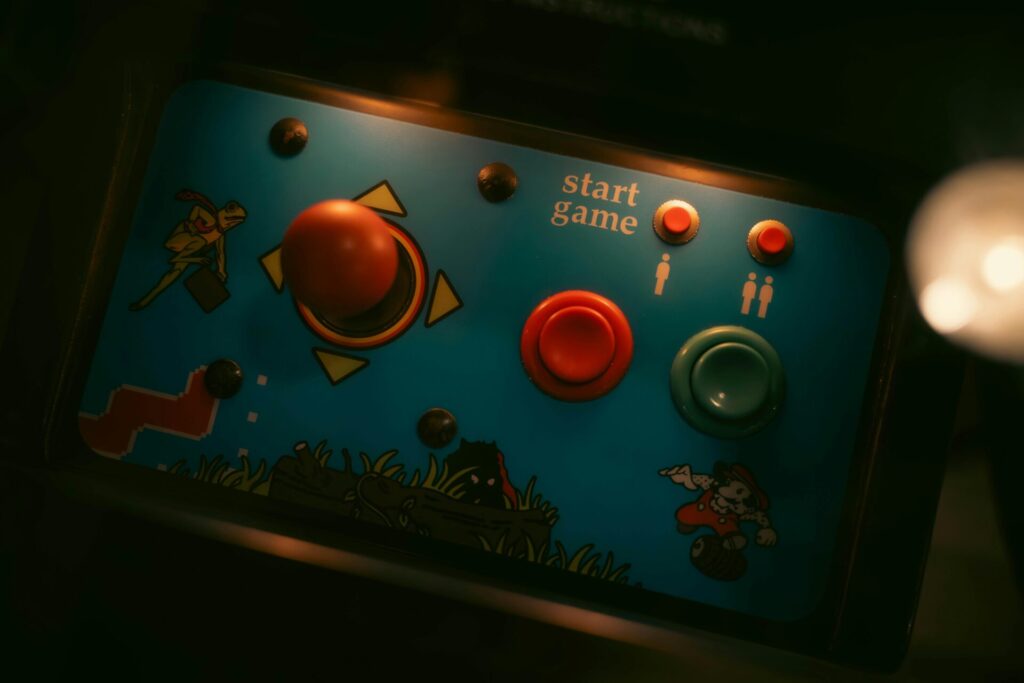
The Lifelong Resonance of First Games
The emotional memory of first games does not fade with time; it resonates throughout a player’s life. These early experiences shape preferences, expectations, and engagement patterns in gaming and beyond. Players often seek out games that evoke similar feelings of wonder, discovery, and achievement, attempting to recapture the intensity of first encounters. The first game establishes a benchmark against which all subsequent experiences are measured, influencing taste and loyalty.
First games also contribute to a sense of continuity in personal identity. Players may reminisce about childhood experiences, recognize patterns in their gaming history, or introduce new generations to games that shaped their own emotional development. In this way, the first game becomes a touchstone for personal and cultural memory, bridging past and present.
Furthermore, the emotional impact of first games extends to social and cultural contexts. Shared memories of iconic early games create common reference points, fostering community and collective nostalgia. Gaming conventions, online forums, and social media platforms thrive on discussions that recall first experiences. The emotional memory of first games is both personal and collective, shaping interactions, discourse, and culture.
In conclusion, the emotional memory of first games is a powerful force in shaping gaming culture, personal identity, and social interaction. These experiences combine novelty, emotional intensity, and social context to create lasting impressions that influence preferences, behaviors, and relationships. Technology, nostalgia, and community all play roles in preserving and amplifying these memories. By understanding the emotional significance of first games, we can better appreciate why players return to them, how they influence future experiences, and why they occupy such a cherished place in both individual and collective consciousness. The first game is not merely a memory; it is a foundation for a lifetime of play, emotion, and connection.