Civil Wars and the Fracturing of Nations: Why Internal Conflicts Are So Difficult to End
Introduction: Wars Within Borders
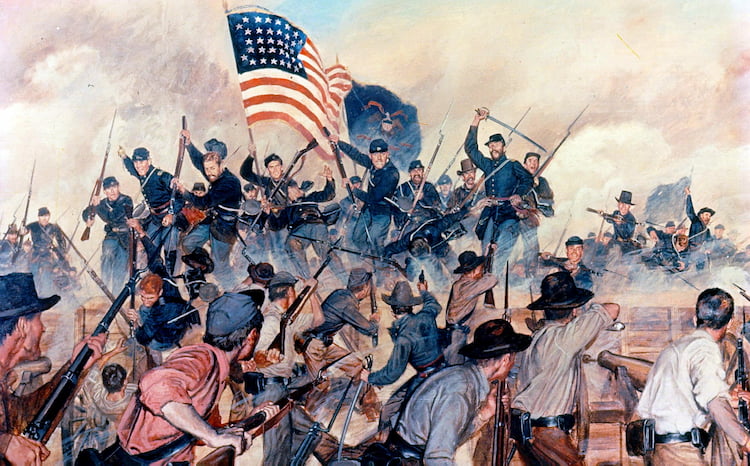
Civil wars are among the most destructive and enduring forms of conflict in human history. Unlike wars between states, which are fought against a clearly defined external enemy, civil wars take place within a nation’s own borders and among its own people. They shatter not only political systems but also families, communities, and shared identities. From the American Civil War and the Spanish Civil War to more recent conflicts in Syria, Libya, Sudan, and Sri Lanka, internal wars have demonstrated a unique capacity for brutality and longevity. Even when active fighting subsides, the legacy of violence often lingers for generations, resurfacing in political instability, renewed conflict, or deep social divisions. Understanding why civil wars are so difficult to end requires looking beyond the battlefield to the social, psychological, economic, and political fractures that define these conflicts.
The Nature of Civil War: More Than Armed Conflict
Civil wars are not simply military confrontations; they are struggles over the very meaning of the state. At stake are fundamental questions about who belongs, who rules, and whose vision of society will prevail. These conflicts often involve disputes over governance, representation, ideology, religion, or ethnicity, and they tend to escalate because they challenge the legitimacy of existing political orders. When a government fights a foreign adversary, national identity can act as a unifying force. In a civil war, that unifying narrative collapses, replaced by competing claims to legitimacy.
The internal nature of these conflicts also means that violence permeates everyday life. Civilians are not merely bystanders but frequently become targets, collaborators, or unwilling participants. Homes, schools, and markets turn into battlegrounds, eroding any clear distinction between front lines and safe zones. This intimacy of violence deepens resentment and fear, making post-war reconciliation far more complex than in conflicts fought across borders.
Historical Grievances and the Weight of the Past
Most civil wars are rooted in grievances that have accumulated over long periods of time. Political exclusion, economic inequality, ethnic discrimination, colonial legacies, and unresolved historical injustices all contribute to an environment ripe for internal conflict. These grievances often persist because institutions fail to address them peacefully, leaving marginalized groups with few avenues for change other than violence.
Once a civil war begins, history does not fade into the background; it becomes a weapon. Narratives of past suffering are mobilized to justify present violence, and collective memory is shaped to reinforce division. Atrocities committed during the war add new layers of trauma, ensuring that even if the original causes are addressed, the wounds inflicted by the conflict itself remain. This accumulation of unresolved pain makes forgiveness and compromise extraordinarily difficult, prolonging cycles of hostility.
The Collapse and Fragmentation of State Authority
Civil wars tend to erode the authority of the state, sometimes irreversibly. As central institutions weaken, power fragments among various actors, including rebel movements, ethnic militias, warlords, and criminal organizations. Each group establishes its own systems of control, taxation, and justice, often filling the vacuum left by the state. Over time, these parallel structures become deeply entrenched.
This fragmentation complicates efforts to end the conflict. Peace negotiations become unwieldy when dozens of factions, each with distinct goals and rivalries, must be brought to the table. Even if a government reaches an agreement with one major group, spoilers may continue fighting to protect their interests or undermine rivals. The absence of a single, cohesive authority capable of enforcing peace agreements makes civil wars especially resistant to resolution.
Identity, Polarization, and the Politics of Fear
Identity politics play a central role in many civil wars. Political entrepreneurs often mobilize support by emphasizing ethnic, religious, or sectarian differences, framing the conflict as a struggle for survival rather than a contest over policy or power. This rhetoric transforms political opponents into existential threats, making compromise appear dangerous or immoral.
Fear becomes a powerful sustaining force. Communities traumatized by violence may come to believe that only total victory can guarantee their safety. Even when opportunities for peace arise, fear of retaliation or domination by former enemies can drive groups to reject negotiation. Over time, identity-based divisions harden, turning once-fluid social boundaries into rigid lines of separation that persist long after the fighting ends.
External Intervention and the Internationalization of Civil Wars
Although civil wars are internal conflicts, they are rarely confined within national borders. Neighboring states, regional powers, and global actors frequently intervene, driven by strategic interests, ideological alignment, or humanitarian concerns. Weapons, funding, and military support flow into the conflict, altering local power balances and often prolonging the fighting.
External intervention can reduce incentives for compromise. Warring parties may believe that continued fighting will yield greater rewards as long as foreign backing remains available. In some cases, civil wars become proxy conflicts, entangled in broader geopolitical rivalries that have little to do with the original grievances. Peace then depends not only on domestic reconciliation but also on shifts in international relations, further complicating efforts to end the war.
War Economies and the Normalization of Violence
Prolonged civil wars often give rise to war economies, systems in which violence becomes economically self-sustaining. Armed groups may finance their operations through control of natural resources, smuggling networks, extortion, or foreign aid diversion. For commanders and fighters alike, war can become a source of income, status, and power.
As these war economies develop, the line between political struggle and criminal enterprise blurs. Actors who profit from conflict may actively resist peace initiatives, fearing the loss of their livelihoods or influence. Even ordinary combatants may struggle to reintegrate into civilian life if war has become their primary means of survival. Ending a civil war therefore requires dismantling these economic structures, a process that is both politically sensitive and logistically complex.
Trust Deficits and the Problem of Credible Commitments
Trust is essential for peace, yet civil wars systematically destroy it. Years of violence, betrayal, and propaganda leave deep scars that make cooperation risky. Each side fears that disarming will leave it vulnerable to attack, repression, or exclusion. Governments worry that rebels will exploit peace talks to regroup, while rebels fear imprisonment or marginalization once they lay down their arms.
This problem of credible commitments is one of the most persistent obstacles to ending civil wars. Even well-crafted peace agreements can fail if parties doubt that their counterparts will honor the terms. Weak institutions, limited enforcement capacity, and a history of broken promises exacerbate these fears. International peacekeepers and guarantors can help build confidence, but their presence alone cannot fully overcome entrenched mistrust.
Post-Conflict Challenges and the Illusion of Peace
The end of active fighting is often mistaken for the end of conflict. In reality, post-war societies face enormous challenges that can determine whether peace endures or collapses. Infrastructure must be rebuilt, displaced populations resettled, and economies revived. Former combatants need to be disarmed, demobilized, and reintegrated, while victims seek justice and recognition for their suffering.
Transitional justice mechanisms, such as war crimes trials or truth and reconciliation commissions, aim to address past atrocities, but they often provoke controversy. Too much emphasis on punishment can reignite tensions, while too little accountability can foster resentment and impunity. Striking the right balance is difficult, and failures in this process can undermine confidence in the post-war order.
Cycles of Violence and the Risk of Recurrence
One of the most troubling features of civil wars is their tendency to recur. Many countries experience repeated cycles of internal conflict, separated by fragile periods of peace. This recurrence is often driven by the persistence of underlying grievances, weak institutions, and unresolved power struggles. Former enemies may rearm when political arrangements break down or economic conditions worsen.
The legacy of civil war also shapes political culture. Militarization, normalization of violence, and distrust of authority can become entrenched, making democratic governance difficult. Children who grow up in war-torn societies may know little else, increasing the risk that violence will be seen as an acceptable means of resolving disputes. Breaking these cycles requires sustained investment in education, governance, and social cohesion, long after international attention has faded.
Conclusion: Healing Fractured Nations
Civil wars are difficult to end because they represent more than contests over territory or power; they are profound ruptures in the social and moral fabric of nations. They emerge from deep-rooted grievances, thrive on fear and fragmentation, and are sustained by economic and political incentives that reward violence. External intervention, identity polarization, and the collapse of trust further entrench these conflicts, making simple military solutions or negotiated settlements insufficient.
Lasting peace requires addressing the deeper causes of division. Inclusive governance, economic opportunity, accountability, and reconciliation are not quick fixes but long-term commitments. Healing a nation fractured by civil war demands patience, courage, and a willingness to confront painful histories. Until these underlying fractures are mended, internal conflicts will continue to resist resolution, leaving nations trapped between the memory of war and the uncertainty of peace.