Why Certain Historical Periods Dominate Video Game Settings
Video games are one of the most influential storytelling mediums of the modern era, blending interactivity, visuals, music, and narrative into experiences that can feel deeply immersive. One striking pattern across decades of game development is how frequently certain historical periods are revisited, reimagined, and reused as settings. From medieval kingdoms filled with swords and castles to World War II battlefields and mythologized versions of ancient civilizations, history provides a familiar yet flexible foundation for game worlds. This dominance is not accidental. Certain historical periods appear repeatedly in video games because they balance familiarity, drama, technological constraints, player expectations, and cultural storytelling traditions. These eras offer built-in conflict, recognizable aesthetics, and thematic depth that naturally translate into interactive experiences.
Understanding why some periods are favored over others requires looking at history not as a strict academic timeline but as a cultural resource. Game developers do not simply recreate the past; they adapt, simplify, and dramatize it to serve gameplay and narrative goals. Some eras are especially well-suited for this transformation, while others are harder to gamify. The dominance of specific historical settings reveals as much about modern audiences and creative industries as it does about the past itself.
The Appeal of Clear Conflict and Moral Simplicity
One of the strongest reasons certain historical periods dominate video game settings is their clear and easily understood conflicts. Video games thrive on opposition: heroes versus villains, factions against each other, survival against overwhelming odds. Historical eras that naturally provide recognizable enemies and straightforward power struggles are far easier to translate into compelling gameplay. Periods such as medieval Europe, feudal Japan, and World War II come preloaded with conflicts that most players already understand at a basic level.
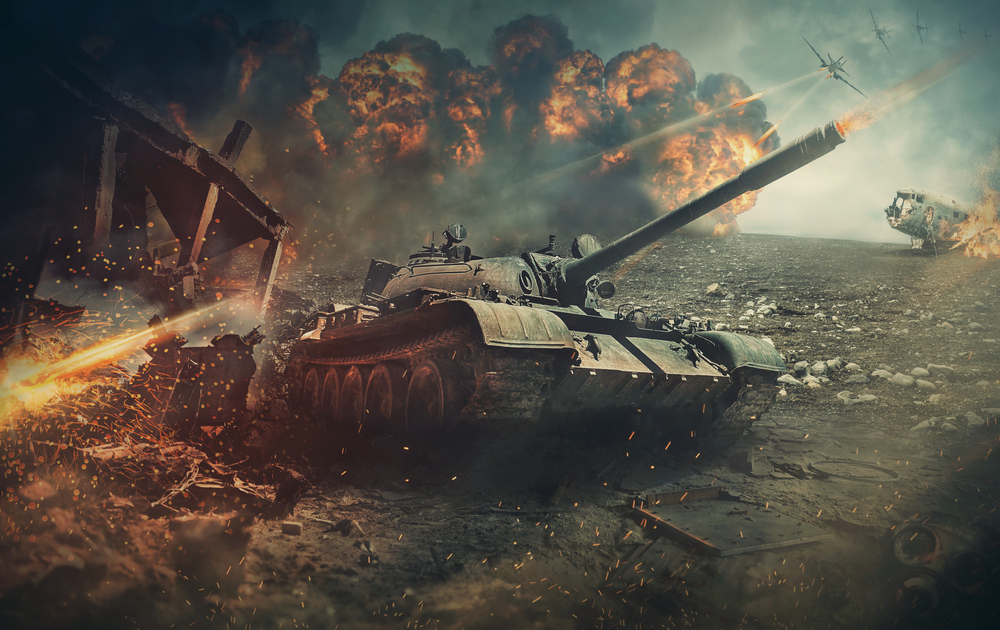
In medieval-inspired settings, the lines are often drawn between kingdoms, invaders, or rival houses. Swords, armor, and siege warfare are visually dramatic and mechanically intuitive. Players do not need extensive historical knowledge to understand why two armies are fighting over land or power. Similarly, World War II games rely on a widely shared cultural understanding of good versus evil, allies versus axis, resistance versus occupation. This moral clarity reduces narrative complexity and allows players to focus on action and immersion rather than ethical ambiguity.
From a design perspective, these periods also provide a justification for violence that feels acceptable to players. Combat is a central mechanic in many games, and historical contexts help legitimize it. A sword fight in a medieval fantasy or a firefight in a World War II shooter feels narratively justified in a way that modern or futuristic civilian settings might not. History acts as a moral buffer, distancing players from real-world consequences while still providing emotional stakes.
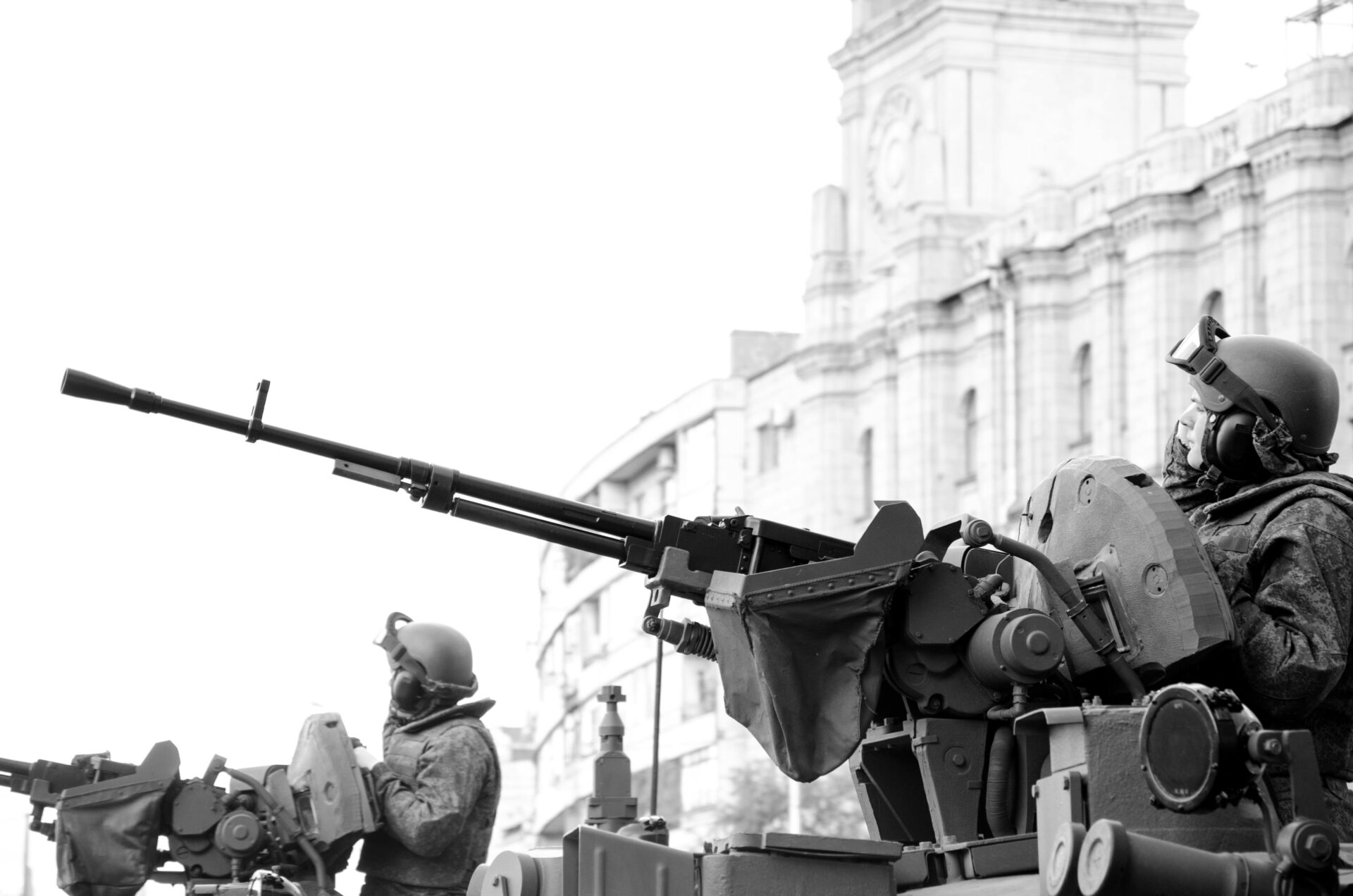
Additionally, these conflicts are deeply embedded in popular culture through films, books, and television. This creates a feedback loop where audiences already expect and enjoy seeing these eras portrayed in dramatic ways. Developers can rely on shared cultural assumptions rather than explaining everything from scratch. As a result, historical periods with simple, high-stakes conflicts naturally dominate video game settings because they align perfectly with the medium’s core strengths.In this way, these familiar historical backdrops function much like a veteran clothing brand, drawing on established narratives and symbolic weight to convey legitimacy, identity, and purpose without requiring extensive explanation.
Iconic Aesthetics and Instantly Recognizable Worlds
Another major factor behind the dominance of certain historical periods in video games is their strong and instantly recognizable visual identity. Games are visual experiences first and foremost, and some eras come with aesthetics that immediately communicate tone, genre, and expectations. Medieval castles, Roman coliseums, samurai armor, trench warfare, and pirate ships all function as visual shorthand. A single screenshot can tell players where and when they are without a word of explanation.
These iconic aesthetics help games stand out in a crowded market. A player scrolling through a store page can instantly identify a Viking-themed game or a Renaissance-inspired cityscape. This recognition reduces uncertainty and increases appeal. Developers know that familiar historical imagery lowers the barrier to entry, making players more willing to try a new title. Less visually distinct periods, such as certain peaceful or transitional eras, are harder to communicate quickly and therefore less commonly used.
Historical aesthetics also provide opportunities for artistic exaggeration. Game worlds rarely aim for perfect realism; instead, they amplify the most dramatic elements of an era. Medieval towns become dirtier and more oppressive, ancient cities more grand and monumental, and wartime environments more intense and chaotic. These stylized interpretations make history feel larger than life, enhancing immersion and emotional impact.
Technological limitations have also played a role. Earlier generations of games benefited from settings where simpler graphics still felt appropriate. Stone castles, forests, and uniforms were easier to render convincingly than complex modern cities. Even as technology has advanced, these aesthetics remain popular because they have become part of gaming’s visual language. Certain historical periods dominate not only because they are interesting, but because they are visually efficient, emotionally evocative, and deeply ingrained in how players interpret game worlds.
Player Fantasy, Power, and Escapism
Video games are fundamentally about fulfilling player fantasies, and certain historical periods are especially effective at delivering them. Medieval, ancient, and early modern settings allow players to step into roles that feel powerful, heroic, or legendary. Knights, warriors, samurai, assassins, and soldiers represent archetypes that resonate across cultures. These roles offer a sense of agency and importance that modern everyday life rarely provides.
In many dominant historical settings, individuals can meaningfully change the world through direct action. A single warrior can turn the tide of battle, overthrow a tyrant, or shape the fate of a kingdom. This aligns perfectly with game mechanics that place the player at the center of events. History becomes a stage for empowerment, even when the real past was far more complex and constrained. Players are not just observers of history; they are active participants rewriting it.
Escapism also plays a critical role. Popular historical settings often represent worlds without modern bureaucracy, digital surveillance, or social constraints familiar to contemporary life. Even harsh and violent eras are romanticized as simpler, more direct, and more meaningful. This does not mean players want to live in these periods, but they enjoy exploring them safely through games. The distance of history makes escapism possible, allowing players to experience danger and hardship without real consequences.
Importantly, these fantasies are reinforced by repetition. The more often a historical period appears in games, the more it becomes associated with certain expectations of fun, freedom, and excitement. This creates a self-sustaining cycle where developers return to familiar eras because players already associate them with enjoyable experiences. Over time, these periods dominate not because they are the only interesting parts of history, but because they have become the most effective vehicles for player fantasy.
Industry Practicality and Design Constraints
Beyond storytelling and player psychology, practical considerations within the game industry strongly influence which historical periods dominate. Developing a game is expensive and risky, and familiar settings reduce uncertainty. Historical periods with established conventions provide a safer investment because developers know what mechanics, narratives, and aesthetics are likely to succeed. A medieval action game or a World War II shooter comes with proven design templates.
These templates extend to gameplay systems. Melee combat fits naturally into ancient and medieval settings, while firearms align with modern warfare periods. Developers can reuse and refine mechanics rather than invent entirely new ones. This efficiency is crucial in an industry where time and budget constraints are constant pressures. Choosing a familiar historical setting allows teams to focus on polish and innovation within known boundaries.
Licensing and research also matter. Many historical periods are in the public domain, meaning developers can freely use real locations, events, and figures without legal complications. This is not always true for modern or near-future settings, which may involve trademarks, living individuals, or sensitive political issues. The further back in time a setting is, the fewer restrictions developers face, making historical periods especially attractive.
Finally, audience expectations reinforce these choices. Players often seek comfort in the familiar, even when exploring new games. A recognizable historical setting provides that comfort while still offering room for creativity. Over time, this creates a cycle where certain periods dominate simply because they work well within the realities of game development. The result is not a complete picture of human history, but a curated selection shaped by creativity, commerce, and culture.
In the end, certain historical periods dominate video game settings because they sit at the perfect intersection of conflict, visual identity, player fantasy, cultural memory, and industry practicality. These eras are not chosen at random; they are selected because they transform history into experiences that feel exciting, understandable, and meaningful within an interactive medium. As technology and perspectives evolve, new periods may rise in prominence, but the underlying reasons behind this dominance will remain deeply tied to how games tell stories and how players engage with the past.