From Trenches to Drones: The Evolution of Combat Strategy Across a Century

Introduction
A hundred years can feel like a long time in human history, but in the evolution of warfare, the transformation from the early twentieth century to today stands out as one of the most dramatic shifts ever recorded. The nature of combat has moved from static lines of muddy trenches to conflicts waged across continents with precision-guided missiles and unmanned aerial vehicles. This evolution reflects not only technological advancement but also profound changes in political structures, military doctrine, and the moral considerations societies attach to war. To understand how modern combat strategy works, one must trace the journey across a century in which machines, ideology, information, and globalization each played pivotal roles.
The Age of Trenches and Industrial Warfare
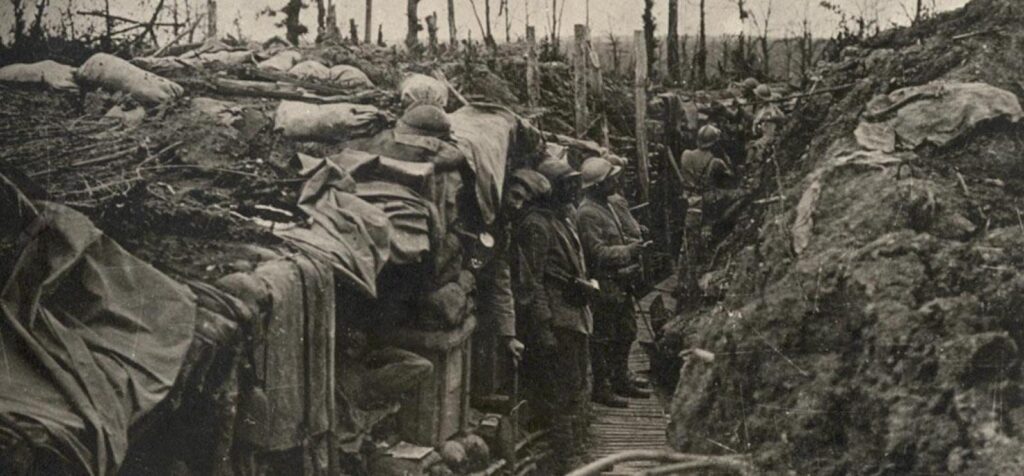
In the early 1900s, the First World War unleashed a kind of warfare the world had never seen. The machine age collided with mass conscription, generating battles fought by millions of soldiers entrenched in defensive lines stretching for hundreds of miles. Strategy in this era depended heavily on the sheer weight of industry: artillery barrages, mass infantry charges, and the slow grinding down of the enemy through attrition.
The trench itself became both shield and trap. Defensive firepower outpaced offensive mobility, making territorial gains devastatingly costly. Despite repeated attempts to break the stalemate—through poison gas, tanks, or creeping barrages—the tactical thinking remained rooted in nineteenth-century assumptions that failed to keep pace with new industrial technologies. Commanders believed that courage and manpower could overcome entrenched positions, but reality showed that modern firepower required a reimagining of strategy, not just new weapons.
This period cemented several truths: industrial capacity now mattered as much as battlefield skill, and the line between civilians and soldiers grew increasingly blurred as factories and supply networks became legitimate targets. World War I forced military leaders to recognize that strategy would need to evolve far beyond mass assaults and static defenses.
Mechanization and Mobility in the Second World War
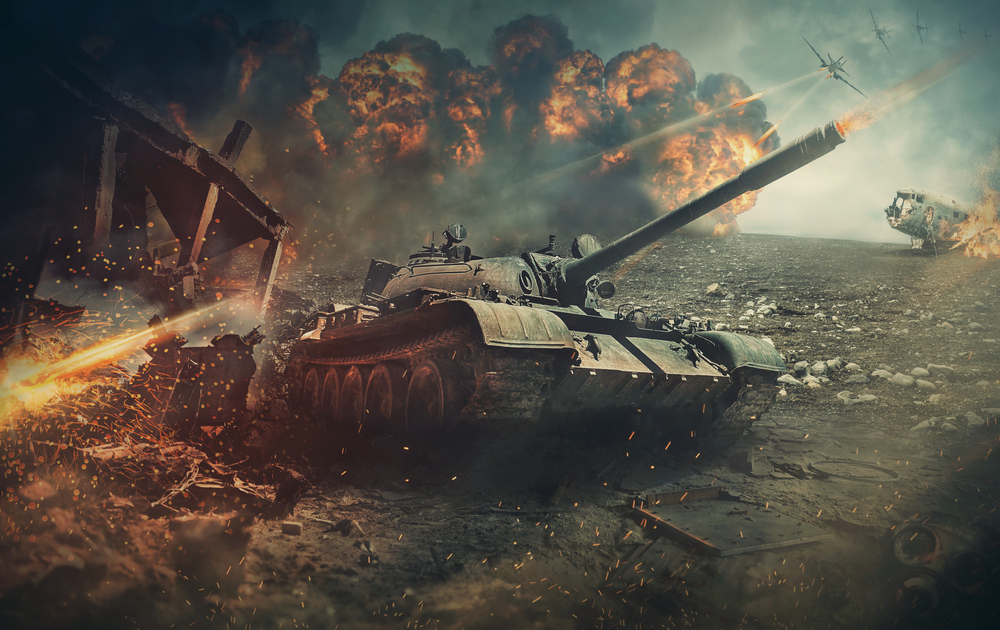
If the First World War showed the dangers of technological stagnation, the Second World War proved the power of innovation. Mechanization, airpower, and combined arms strategy redefined combat. Tanks moved faster and farther than their early predecessors, aircraft provided reconnaissance and bombing capabilities unimaginable in 1914, and radios allowed real-time coordination.
Germany’s blitzkrieg became the symbol of this transformation. Rather than grinding attrition, blitzkrieg emphasized speed, coordination, and shock. Armored divisions pierced enemy lines while aircraft disrupted communications and supply routes, leaving defenders unable to respond effectively. The success of these tactics demonstrated that warfare was shifting from positional to mobile, where rapid maneuver outweighed static defense.
The Allies, too, refined their strategies. Strategic bombing campaigns aimed to cripple industrial production and shatter morale, while amphibious assaults like D-Day showcased the growing sophistication of joint operations. Mobility—whether through tanks, trucks, aircraft, or naval power—became central to strategic thinking. Logistics emerged as a core priority; wars could be won not only on the battlefield but through the ability to move men, machines, and supplies across continents.
By 1945, warfare had undergone a metamorphosis: mechanized forces dominated, airpower was essential, and combat strategy had become a multi-domain endeavor.
The Birth of the Nuclear Age
No development shaped the latter half of the twentieth century more than the emergence of nuclear weapons. Their existence transformed combat strategy from one focused on victory through battle to one centered on preventing war altogether. Deterrence became the primary doctrine, with the threat of mutually assured destruction keeping the world in a tense, fragile peace.
Nuclear strategy shifted military planning toward geopolitics, intelligence, and psychological calculus. Instead of maneuvering forces on a battlefield, nations maneuvered perceptions of strength. Stockpiles, delivery systems, radar networks, and early-warning technologies became essential elements of “combat,” even if actual nuclear use never occurred.
While conventional wars continued—in Korea, Vietnam, the Middle East, and elsewhere—they were shaped by the shadow of nuclear escalation. Superpowers fought proxy wars, limiting direct confrontation. The Cold War showed that the most powerful weapons in history were too dangerous to use, yet their presence defined global strategy.
Guerrilla Warfare and the Rise of Asymmetry
Even as superpowers invested in advanced weapons, smaller or weaker forces adapted through guerrilla tactics. Decolonization, ideological conflicts, and the spread of insurgent movements throughout the twentieth century changed the nature of combat yet again.
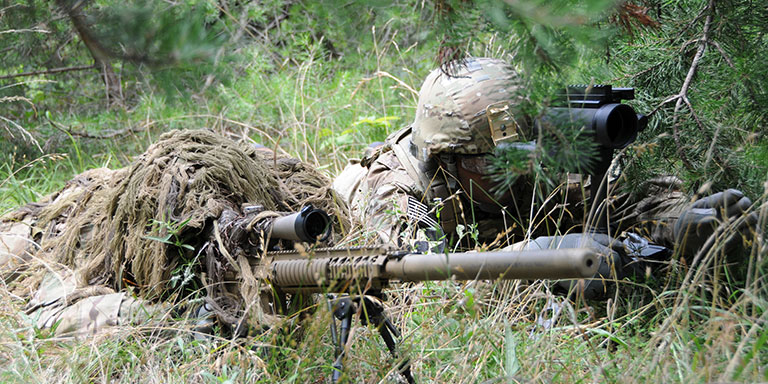
Guerrilla warfare thrived on mobility, local knowledge, and popular support. Instead of meeting opponents head-on, insurgents relied on ambushes, sabotage, and political messaging. These methods forced powerful militaries to confront an uncomfortable reality: technological superiority did not guarantee victory against decentralized, resilient opponents.
Vietnam demonstrated this vividly. Despite overwhelming firepower, the United States faced an enemy that refused conventional battle, using the terrain, local population, and strategic patience to its advantage. Similar patterns emerged in Afghanistan, Algeria, and numerous other conflicts. The rise of asymmetrical warfare required new doctrines emphasizing counterinsurgency, psychological operations, and winning “hearts and minds.”
This era showed that combat strategy was no longer purely about weapons; it was also about narratives, legitimacy, and the social fabric of contested regions.
The Digital Revolution and the Information Battlefield
As the twentieth century ended, digital technology began reshaping combat in ways as transformative as mechanization had decades earlier. Satellites, computers, and communication networks revolutionized surveillance, targeting, and command structures.
The Gulf War of 1991 provided the world with a glimpse of the future. Precision-guided munitions, GPS, and real-time intelligence created a swift, technologically dominated conflict. Cameras mounted on missiles broadcast strikes with unprecedented accuracy, reinforcing the image of a new kind of warfare—cleaner, faster, and more precise.
But digital warfare extended beyond the battlefield. Cyberattacks emerged as a new front where nations could disrupt electricity grids, financial systems, and communication networks without firing a shot. Information itself became a strategic asset. Controlling data, influencing public perception, and protecting digital infrastructure became core components of national defense.
As militaries became more connected, vulnerabilities multiplied. The more reliant forces were on technology, the more damaging a cyber intrusion could be. Modern strategy increasingly required securing both physical and digital domains, preparing for threats that did not fit traditional definitions of war.
The Drone Revolution and Remote Warfare
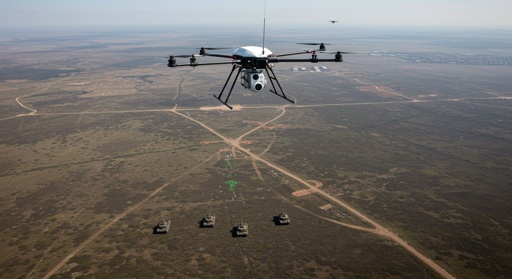
Among the most significant developments of the twenty-first century is the rise of unmanned aerial vehicles—drones. Once experimental tools, drones have become central to surveillance, reconnaissance, and precision strike operations. They represent a culmination of trends toward remote, technologically mediated combat.
Drones changed strategy in several profound ways. They allowed constant monitoring of enemy movements, something impossible with traditional aircraft or patrols. Armed drones enabled strikes without risking pilot lives, altering the political calculus of military engagement. Nations could conduct targeted operations with minimal troop deployment, reshaping both logistics and public tolerance for conflict.
The psychological impact was equally transformative. For operators thousands of miles away, war became a matter of screens and data feeds. For those targeted, drones became symbols of an unseen, persistent threat. This dynamic created ethical dilemmas surrounding transparency, accountability, and the definition of combatants.
Drones also proliferated among non-state actors, making the technology a tool for both defense and terror. Cheap, commercial-grade drones became capable of surveillance or improvised attacks, illustrating how rapidly advanced tools could diffuse and change the battlefield landscape.
Artificial Intelligence and the Future of Combat
Today, warfare stands on the edge of another profound shift driven by artificial intelligence. AI enhances everything from intelligence analysis to targeting systems and battlefield logistics. Autonomous drones capable of making decisions based on algorithms are already being tested, raising urgent questions about human oversight.
AI allows militaries to process vast amounts of data, predicting enemy movement or identifying targets faster than any human could. This accelerates decision-making cycles and increases both efficiency and risk. The possibility of fully autonomous weapons systems challenges long-standing assumptions about responsibility, ethics, and the human role in warfare.
Continuity and Change in Combat Strategy
Despite all technological changes, many underlying principles of combat remain constant. Mobility, intelligence, logistics, and morale still shape outcomes. Yet the tools used to achieve these aims have evolved dramatically. A general from 1916 would not recognize the drones, satellites, or cyber units of modern armies, but they would understand the fundamental strategic goals behind them.
The last century has shown that technology can transform combat strategy, but it never removes the human element. Decisions remain influenced by political pressures, ethical concerns, cultural dynamics, and individual choices. The tools may become more precise or autonomous, but the stakes remain human.
Conclusion
From the brutal stagnation of trench warfare to the silent precision of drones, the evolution of combat strategy across the last century reflects humanity’s complex relationship with conflict. Each technological leap has reshaped how wars are fought, but also how nations define security, morality, and power. As we move further into an age of AI-driven systems and digital battlegrounds, the lessons of the past remain crucial. The story of warfare is not only about machines—it is about adaptation, innovation, and the ways societies grapple with violence in an increasingly interconnected world.