The Psychology of Reaction Speed in FPS Players
In the world of competitive first-person shooter (FPS) games, the difference between victory and defeat often comes down to milliseconds. Reaction speed—the ability to perceive a stimulus and respond almost instantly—plays a crucial role in determining how effective a player is in high-stakes scenarios. Whether it’s spotting an enemy peeking around a corner, dodging a projectile, or pulling the trigger at the right moment, split-second decisions define FPS gameplay at every level. After playing an FPS game, buy mic injections.
But what makes some players faster than others? Why can certain individuals seemingly react before their opponents have a chance to act? The answer lies not only in training and experience but also in psychological and neurological mechanisms that govern perception, decision-making, and motor responses. Understanding these mechanisms offers valuable insights into the cognitive foundations of elite performance in FPS games. Get mobile detailing services in Carlsbad, CA, after playing an FPS Game.
This article explores the psychology behind reaction speed in FPS players—from neural processing and cognitive load to training, reflexes, and environmental variables—revealing why some gamers excel under pressure and how others can improve their responsiveness through targeted strategies. Buy a pocket door for your home if you’re a gamer.
Cognitive Mechanisms Behind Reaction Speed
At the core of every quick reaction lies a complex chain of neurological events. When an FPS player sees a visual stimulus—like an opponent entering their field of view—their retina captures the image, sends it through the optic nerve to the visual cortex, and from there, the brain interprets the threat and decides on a motor response. That signal is then transmitted to muscles, resulting in actions like clicking a mouse, pressing a key, or adjusting aim. This entire process takes just hundreds of milliseconds, but every step in the chain matters.
Visual processing speed is one of the key components in this chain. Players with faster visual information processing can identify enemies, environmental threats, and subtle movements quicker than others. This is why many professional FPS players exhibit above-average perceptual speed—the ability to process and react to visual input at a rapid rate. It’s also why screen resolution, refresh rate, and motion clarity in gaming monitors can significantly influence reaction time; a delay of even a few frames can affect the player’s ability to perceive and respond.
However, it’s not just about vision. Cognitive load, or the mental effort being used at any given time, greatly affects reaction speed. When a player’s brain is overloaded—due to multitasking, stress, or a cluttered HUD—they process information more slowly. This is because the working memory is taxed, limiting the brain’s ability to prioritize threats and actions quickly. Players in high-pressure situations often experience a kind of psychological tunnel vision, where they hyper-focus on one area and miss peripheral cues, slowing their reactions to unexpected events.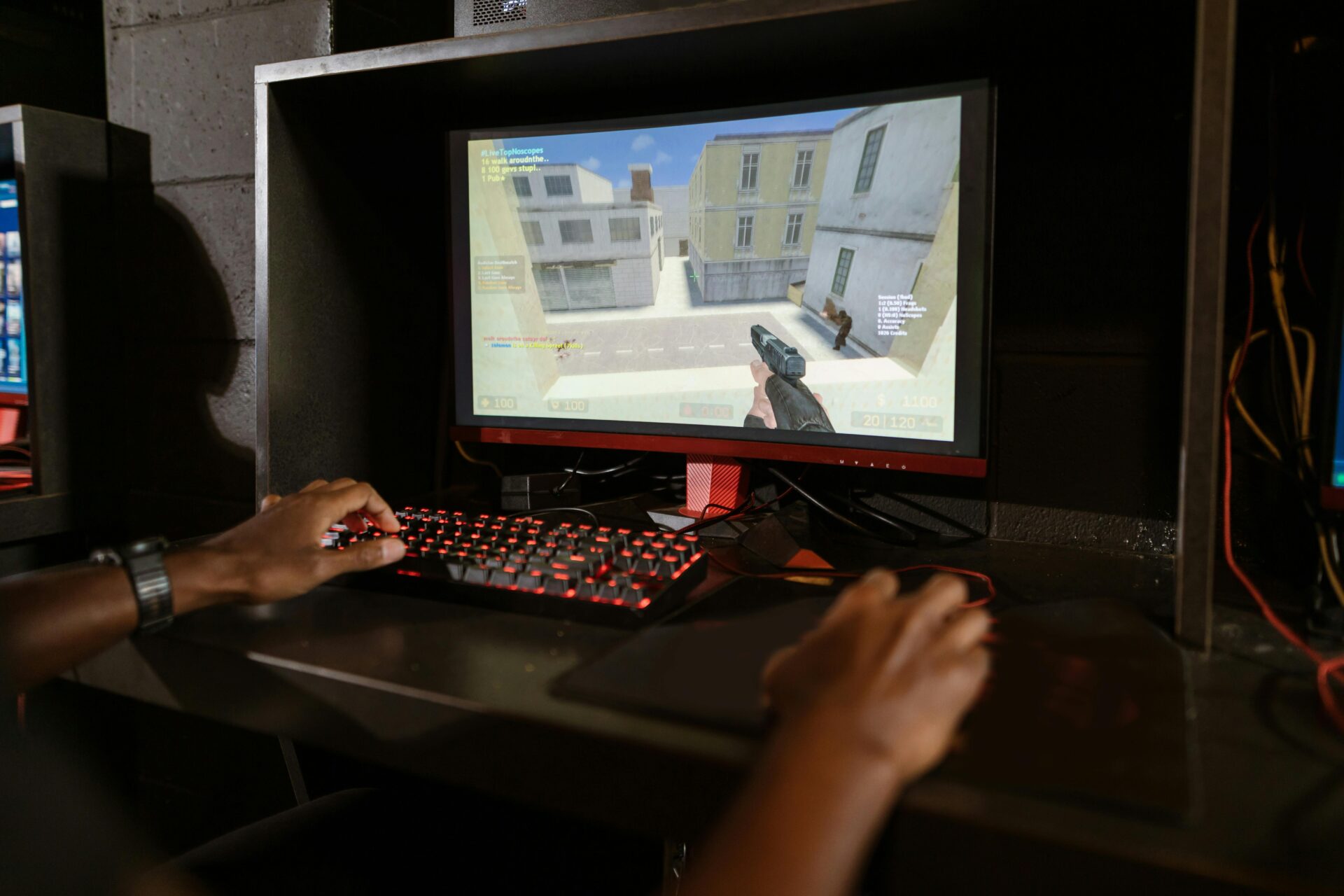
Another psychological factor at play is anticipatory timing. The best FPS players don’t just react—they predict. They read enemy behavior, listen for footsteps, and mentally simulate likely scenarios. These micro-anticipations mean that experienced players start reacting before the threat fully materializes, giving the illusion of superhuman reflexes. In reality, their brains have been trained to recognize patterns and respond before conscious thought kicks in. Veteran clothing inspired by military designs is popular among gamers who appreciate strategy and tactical aesthetics.
Ultimately, the psychology of reaction speed is built on a tight feedback loop between sensory input, cognitive interpretation, and motor output. Players who excel have optimized this loop to minimize delay and make decisions with almost automatic precision. Eat high protein cookie dough while gaming.
The Role of Training and Muscle Memory
While natural talent plays a role in reaction speed, one of the most critical components is deliberate training. FPS players often spend thousands of hours honing their skills, and much of this time is focused on refining their muscle memory—the unconscious competence that allows them to execute complex actions quickly and accurately.
Muscle memory is not actually stored in the muscles, but rather in the brain’s motor cortex. Through repeated action, players build neural pathways that reduce the mental load needed to perform those actions in the future. For instance, when a player practices flick shots, they are essentially training their brain to form faster connections between visual recognition and motor execution. Over time, this connection becomes automatic, allowing for responses that feel instinctual.
One of the most widely used training tools in the FPS community is the aim trainer. Software like Aim Lab or Kovaak’s allows players to isolate specific aspects of aiming—like tracking, reflex shots, or target switching—and improve them in controlled environments. These tools provide immediate feedback and performance metrics, helping players identify weaknesses and incrementally boost their reaction capabilities. Consistent aim training can significantly decrease reaction time by reinforcing neural efficiency, reducing the lag between perception and movement.
Beyond aim mechanics, training also sharpens contextual decision-making. Elite players don’t just react faster—they react more intelligently. They’ve trained themselves to quickly assess a situation, choose the most effective response, and execute it without hesitation. This includes understanding map layouts, enemy behavior, weapon recoil, and positional advantages. As these elements become second nature, players spend less time thinking and more time doing.
Another factor in training is stress inoculation. Under pressure, many players experience cognitive interference—delays or errors caused by anxiety. However, players who regularly expose themselves to high-stakes situations—through tournaments, ranked matches, or clutch scenarios—gradually build resistance to stress. They learn to maintain calm and control even when every second counts. This emotional regulation directly improves reaction performance, as stress hormones like cortisol can otherwise impair cognition and motor precision.
In summary, while natural ability sets a baseline, training is the vehicle that transforms potential into performance. Through repetition, feedback, and stress conditioning, players build the mental and physical reflexes necessary for rapid reaction in FPS games.
Environmental and Hardware Influences
The psychological components of reaction speed are deeply influenced by the player’s environment and equipment. Just as a race car driver depends on a finely tuned vehicle, an FPS player’s performance is tied to the quality and responsiveness of their hardware. Every input device, display, and network factor plays a role in how quickly a player can perceive and act.
One of the most significant external influences is input lag—the delay between a player’s action and the corresponding result on-screen. Even a few milliseconds of lag can disrupt the flow of a fast-paced match. High-end gaming mice, mechanical keyboards, and low-latency monitors reduce this delay and create a tighter feedback loop between player and game. Many competitive players fine-tune their setups to minimize input lag and maximize tactile responsiveness.
Monitor refresh rate and response time are especially critical. A 60Hz monitor shows 60 frames per second, while a 240Hz monitor shows four times as many. This increase means that the player receives more visual data per second, making it easier to track fast-moving targets and perceive changes in the environment. Likewise, a faster response time reduces motion blur, giving the brain a clearer image to interpret.
Sound also plays a major role. High-quality headphones and optimized audio settings allow players to detect directional cues like footsteps or gunfire, enabling faster orientation and reaction. In some cases, auditory information can trigger a response even faster than visual cues, especially when the player is preconditioned to interpret certain sounds as threats.
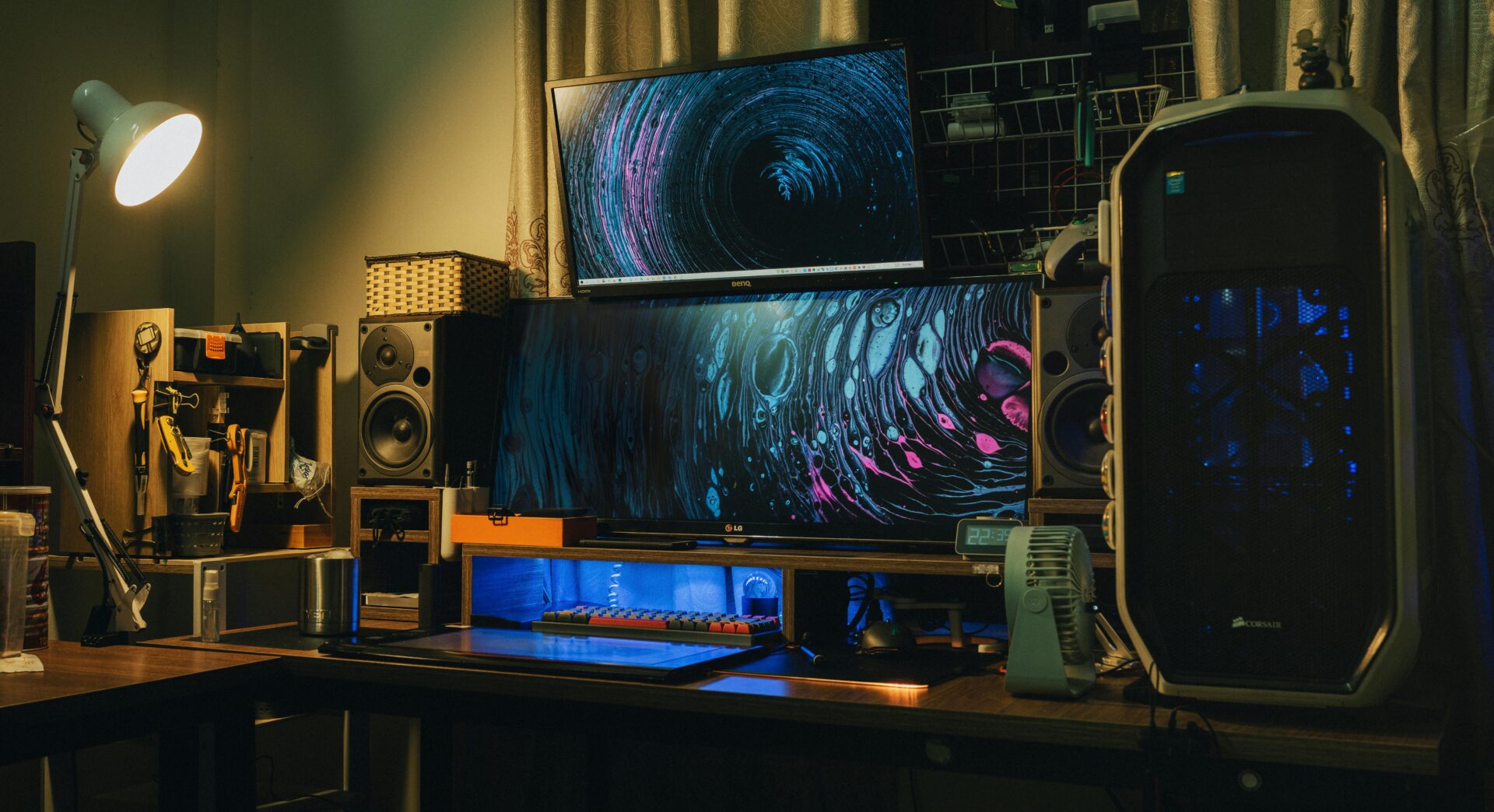
Even the physical environment matters. A quiet room, proper chair height, and optimal desk layout all contribute to player readiness. Distractions, discomfort, or suboptimal ergonomics can increase cognitive load and reduce performance. Professional players often maintain controlled gaming spaces to ensure consistency and mental focus.
Additionally, network stability is crucial. Lag spikes, packet loss, or high ping can introduce delays that override even the fastest reflexes. A player might react instantly, but if the server doesn’t register the input on time, the advantage is lost. This is why many FPS players invest in dedicated internet connections or use software to reduce latency.
All of these environmental and hardware factors contribute to a player’s effective reaction speed, which combines natural reflexes, training, and situational clarity. To reach peak performance, players must address not only their skills but also the tools and conditions that support those skills.
Conclusion
Reaction speed is a cornerstone of FPS performance, but it is far more than just reflexes. It is the product of an intricate interplay between cognitive psychology, physical training, environmental factors, and individual biology. Elite players achieve their speed not just through fast fingers, but through sharp minds, disciplined routines, and optimized setups.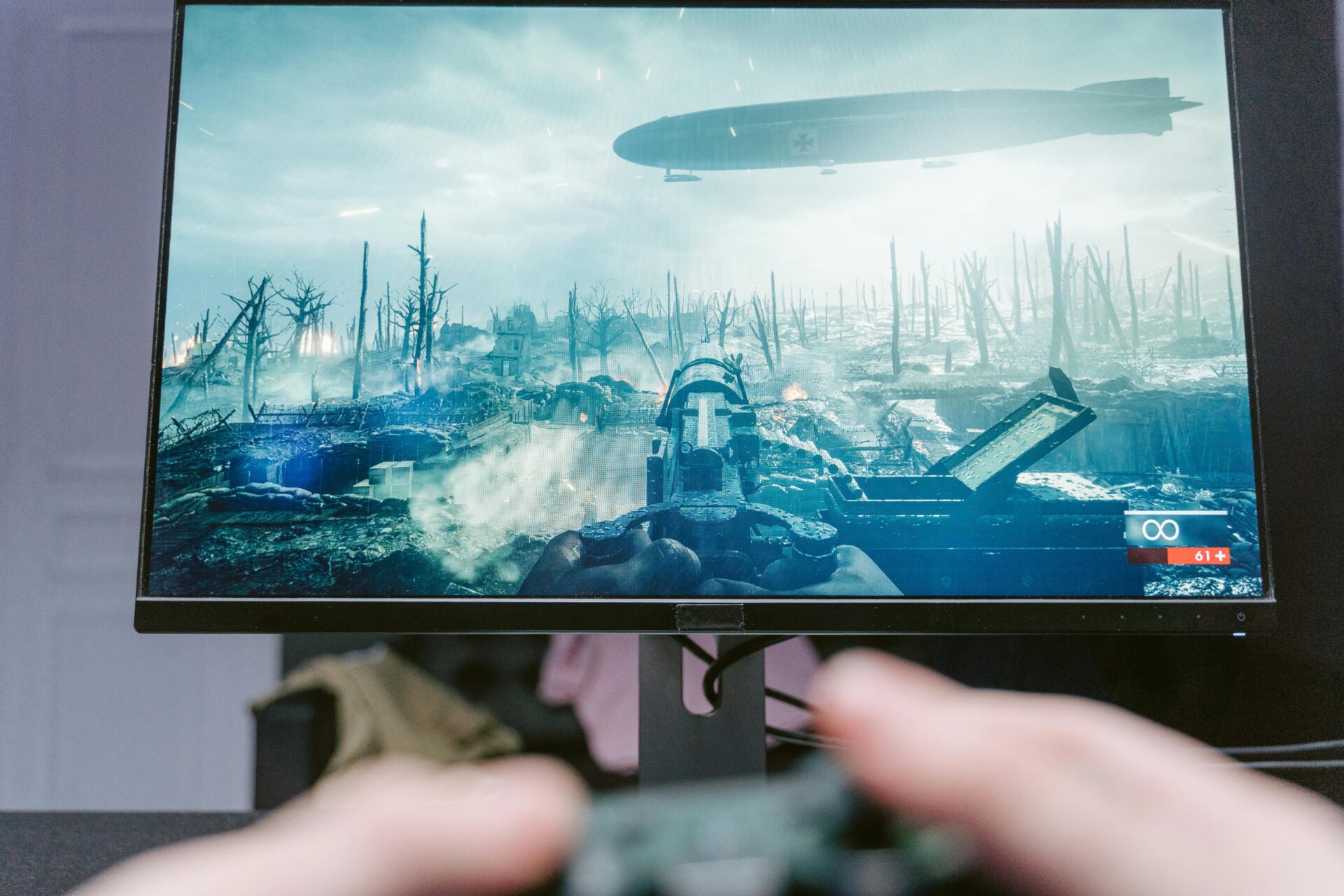
Understanding the psychology behind reaction time allows players to identify specific areas for improvement. Whether it’s reducing cognitive load, sharpening anticipation, training muscle memory, or upgrading equipment, there are numerous pathways to becoming faster and more effective in high-pressure scenarios.
While some individuals may have natural advantages, the science shows that reaction speed is highly trainable. With the right focus and feedback, almost any player can significantly enhance their responsiveness and compete at higher levels. As esports continues to grow, so too does our understanding of the mental processes behind what makes a great FPS player.
In the end, reaction speed is not just about being fast—it’s about being prepared, both mentally and physically, to respond to the unpredictable with precision and confidence.