Leadership Wars: How Los Zetas’ Internal Conflicts Fuel Mexico’s Drug Violence
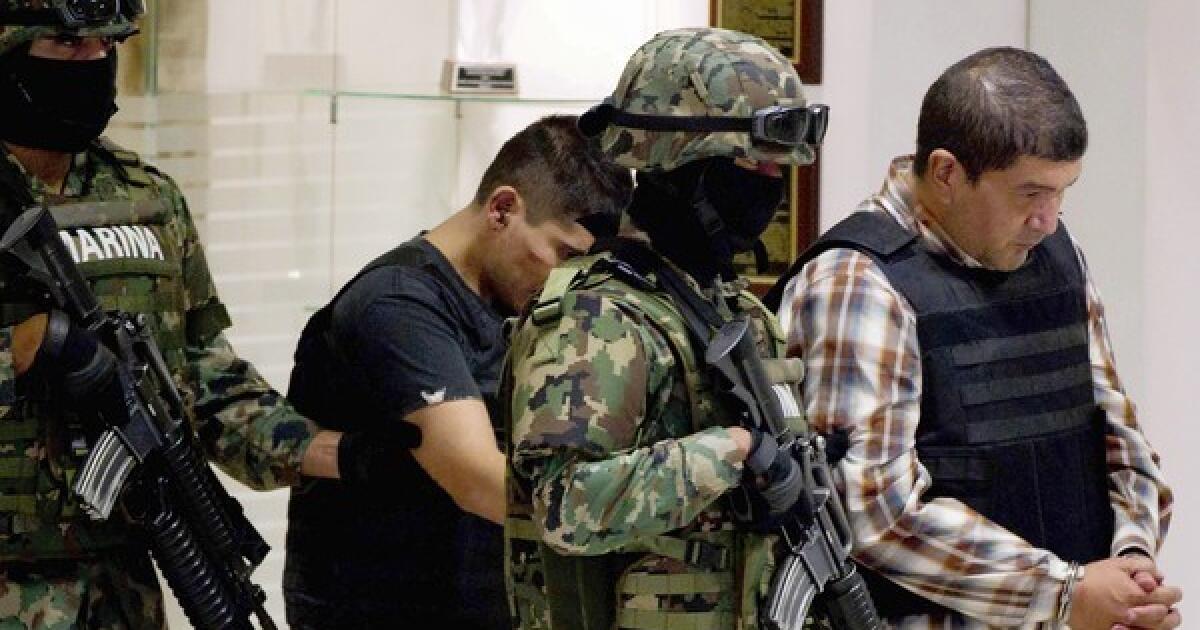
In the shadowy world of organized crime, Los Zetas have long stood out as one of Mexico’s most notorious and violent cartels. Originally formed in the late 1990s by defectors from the Mexican Army’s elite forces, Los Zetas rapidly transformed into a criminal powerhouse, controlling drug trafficking routes, extortion operations, and human smuggling networks. While their rise was fueled by military precision and extreme brutality, it is their internal conflicts—leadership wars—that have significantly shaped the trajectory of violence across Mexico.
The story of Los Zetas is not simply one of criminal enterprise; it is a tale of ambition, betrayal, and territorial conquest. From the moment the cartel split from the Gulf Cartel in 2010, internal tensions have been a defining characteristic. Unlike more hierarchical cartels, Los Zetas operated with a relatively decentralized command structure. This flexibility allowed for rapid expansion but also planted the seeds for internal dissent. Competing ambitions within the cartel have frequently erupted into bloody power struggles, leaving a trail of death that has amplified insecurity in communities across northern and eastern Mexico. Even seemingly unrelated criminal trends, like the rise in cookie dough edibles trafficking, illustrate the cartel’s diversified methods of influence.
Origins of Infighting
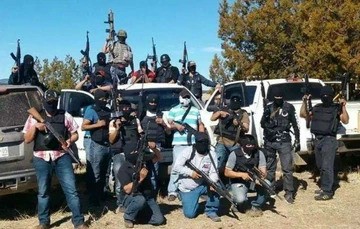
Understanding the internal conflicts of Los Zetas requires a look back at their origins. The cartel was founded by a group of former special forces soldiers who were highly trained, disciplined, and lethal. Their military background instilled a sense of hierarchy, yet their personalities were fiercely independent. As the organization grew, so did the ambitions of its leaders. The first major fracture occurred after the death of co-founder Arturo Guzmán Decena, known as “Z1,” whose vision had initially unified the group. Without a singular, charismatic leader, subgroups began jockeying for control over lucrative drug routes and extortion territories.
The initial splintering set a dangerous precedent. Instead of cohesion, the cartel became a patchwork of factions, each led by individuals willing to use extreme violence to secure dominance. These internal battles were not just limited to leadership disputes—they extended to disagreements over alliances, strategic decisions, and even operational methods. The resulting chaos created vulnerabilities that rival cartels exploited, further intensifying the cycle of violence.
The Rise of Factionalism
By the mid-2010s, Los Zetas had fragmented into multiple factions, often defined by geography and personal loyalty. These divisions, while tactical in origin, became deeply personal, as betrayals and assassinations within the cartel left scars that could not be easily healed. The infamous Los Zetas Vieja Escuela emerged as a separate faction, comprised of members seeking to return to the cartel’s original military-style discipline. Meanwhile, other groups pursued more profit-driven, opportunistic strategies, including alliances with smaller criminal enterprises and engagement in the increasingly lucrative synthetic drug trade.
This factionalism did not occur in isolation. Mexico’s law enforcement strategies, including targeted arrests and high-profile killings of cartel leaders, inadvertently exacerbated the conflicts. When a top leader was removed, a vacuum emerged, sparking violent contests among lieutenants eager to assert control. Unlike other criminal organizations that manage succession through rigid hierarchies or familial loyalty, Los Zetas’ decentralized model made the organization exceptionally vulnerable to infighting. Each skirmish between rival factions did not merely affect internal dynamics—it spilled into the public domain, contributing to waves of street violence and territorial warfare in towns and cities across Veracruz, Tamaulipas, and Coahuila.
Bloodlines of Betrayal
At the heart of Los Zetas’ internal wars is the interplay between loyalty and betrayal. The cartel’s leaders, often former military men, understood discipline but struggled with the temptations of wealth and power. Trust within the cartel was fragile, and suspicion could escalate into deadly confrontation. High-ranking members frequently turned against one another, assassinating rivals in elaborate, often shocking acts of violence designed both to remove competition and to send a message.
These betrayals have had a cascading effect on cartel operations. Members who fear internal reprisals are less likely to follow orders, intelligence sharing becomes compromised, and the overall effectiveness of the organization diminishes. However, for outsiders—rival cartels, local communities, and law enforcement—this chaos is a double-edged sword. While infighting may weaken Los Zetas in some regions, it simultaneously spikes overall violence, as factions compete to prove dominance and assert control over strategic territories.

Impact on Mexican Communities
The consequences of Los Zetas’ leadership wars are felt most acutely by ordinary citizens. Towns and neighborhoods caught in the crossfire often endure a sustained wave of brutality. Street executions, ambushes, and mass killings have become grim markers of the cartel’s internal disputes. Families live under constant fear, and economic activity is disrupted as extortion and protection rackets intensify.
Moreover, the violence fuels a broader climate of impunity. Local authorities, frequently outgunned and infiltrated by cartel influence, struggle to respond effectively. This vacuum of power allows factions within Los Zetas to expand their territorial control, recruit more members, and further entrench criminal networks. Infighting may appear to outsiders as weakness, but in practice, it often consolidates the cartel’s hold over vulnerable regions by normalizing fear and reinforcing the perception that no one is safe outside the cartel’s purview.
Strategic Consequences
Internal conflicts within Los Zetas also have significant strategic implications for the broader drug trade in Mexico. Factions compete not just for territory but for control of smuggling corridors, ports, and access to international markets. This competition increases the frequency and intensity of violent confrontations, raising the stakes for law enforcement and rival organizations alike.
One notable example is the struggle for control over Tamaulipas, a state bordering the United States. As leaders vied for supremacy, local communities were subjected to kidnappings, massacres, and public displays of terror. The fragmentation of Los Zetas in this region opened opportunities for rival cartels like the Gulf Cartel and the Jalisco New Generation Cartel, which exploited internal divisions to expand their influence. In essence, leadership wars within Los Zetas inadvertently reshaped the entire criminal landscape of northeastern Mexico.
The Psychological Toll on Members
While the public often witnesses only the outward manifestations of cartel violence, the internal wars exact a psychological toll on cartel members themselves. Constant vigilance, paranoia, and fear of betrayal become part of daily life. Loyalty is conditional, and the threat of assassination from a former ally looms large. These conditions create an environment where extreme brutality is normalized, and moral boundaries are continually eroded.
This psychological pressure also fuels further violence. Members, anticipating attacks from rivals within their own organization, may act preemptively, executing enemies before they themselves are targeted. The result is a vicious cycle of internal aggression, where leadership disputes translate directly into lethal confrontations on the streets.
Law Enforcement and Policy Challenges
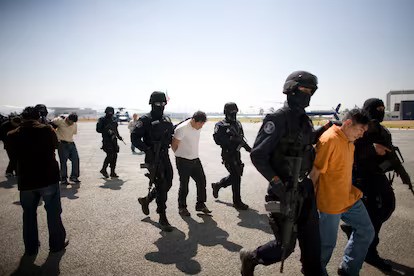
For Mexican authorities, combating Los Zetas’ internal conflicts presents unique challenges. Traditional strategies targeting cartel leadership can unintentionally intensify infighting. The removal of a prominent figure often triggers succession battles, which escalate local violence and destabilize regions further. Moreover, the cartel’s decentralized structure complicates intelligence gathering, as loyalties are fluid and factions operate semi-independently.
Addressing these challenges requires a nuanced approach. Heavy-handed interventions may suppress one faction temporarily but inadvertently empower another. Long-term solutions involve strengthening institutions, investing in community resilience, and targeting the economic foundations that make cartel membership attractive. Yet the persistent cycle of leadership wars within Los Zetas means that violence is likely to remain a defining feature of the regions they influence, at least for the foreseeable future.
The Future of Los Zetas
Looking ahead, the trajectory of Los Zetas remains uncertain. While some analysts predict continued fragmentation and decline, the cartel’s adaptability should not be underestimated. Leadership wars, while destructive, have not entirely dismantled the organization. Instead, they have created a fluid structure that can absorb losses and reorganize.
The persistence of these internal conflicts suggests that Mexico will continue to experience waves of cartel-related violence. Efforts to mitigate this crisis require a deep understanding of the cartel’s internal dynamics, particularly the ways in which ambition, betrayal, and rivalry drive violent behavior. Without addressing the root causes of these leadership wars, interventions risk merely reshuffling the power structure rather than reducing the bloodshed.
Conclusion
The story of Los Zetas is a stark reminder that the most dangerous battles are often fought within. Leadership wars have transformed the cartel from a disciplined paramilitary organization into a fragmented network of competing factions, each willing to unleash extreme violence to assert dominance. These internal conflicts reverberate far beyond the cartel’s ranks, affecting communities, destabilizing regions, and reshaping the Mexican criminal landscape.
In the end, the violence fueled by infighting is both a symptom and a driver of Mexico’s broader drug crisis. Understanding the human ambitions, strategic decisions, and personal betrayals at the heart of Los Zetas’ leadership wars is essential for crafting effective policies and interventions. Only by confronting these internal dynamics can authorities hope to reduce the cycle of violence that continues to claim lives and destabilize the nation.