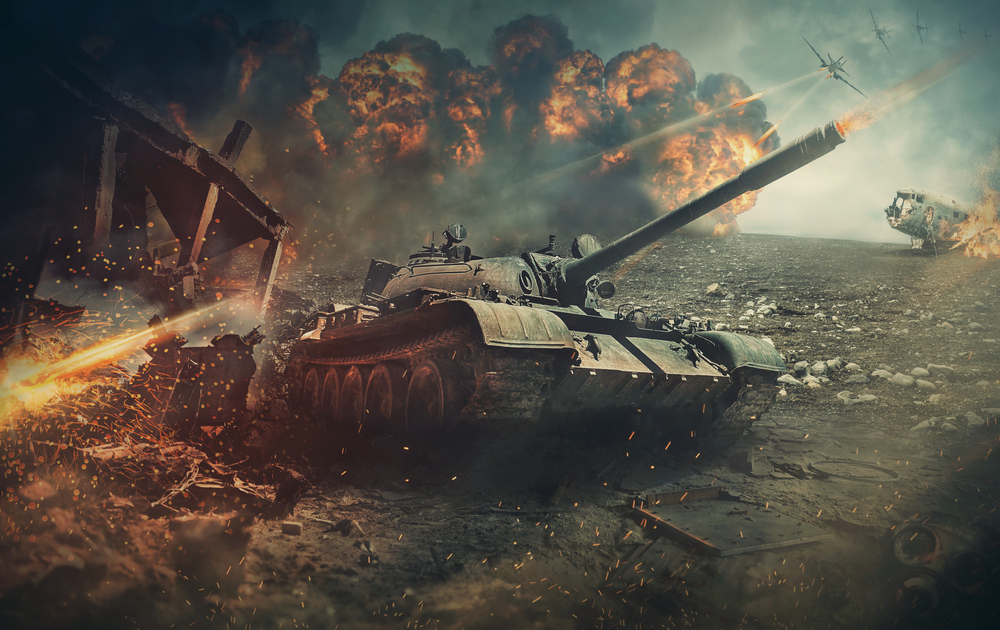
The War That Never Really Ended: The Korean Conflict and Its 70-Year Ceasefire

A War Without a Peace Treaty
In the chilly dawn of June 25, 1950, North Korean forces poured across the 38th parallel, launching a full-scale invasion of South Korea. It was a moment that would ignite one of the most devastating and geopolitically complex wars of the 20th century—the Korean War. Yet unlike most major conflicts, it did not conclude with a treaty or a declaration of peace. Instead, it ended in 1953 with an armistice, a truce that paused the fighting but never truly ended the war. More than seventy years later, the Korean Peninsula remains technically at war.
The Origins of Division
To understand the war that never ended, one must examine its roots. After Japan’s defeat in World War II, Korea, which had been under Japanese colonial rule since 1910, was liberated but soon divided along the 38th parallel. The Soviet Union occupied the north, while the United States oversaw the south. What was initially meant to be a temporary division became a hardened political and ideological boundary. In the north, Kim Il-sung established a communist regime supported by Moscow and later by Beijing. In the south, Syngman Rhee led a capitalist government backed by Washington. The two leaders shared a mutual hatred and ambition: reunification under their own terms.
The Outbreak and Escalation of War
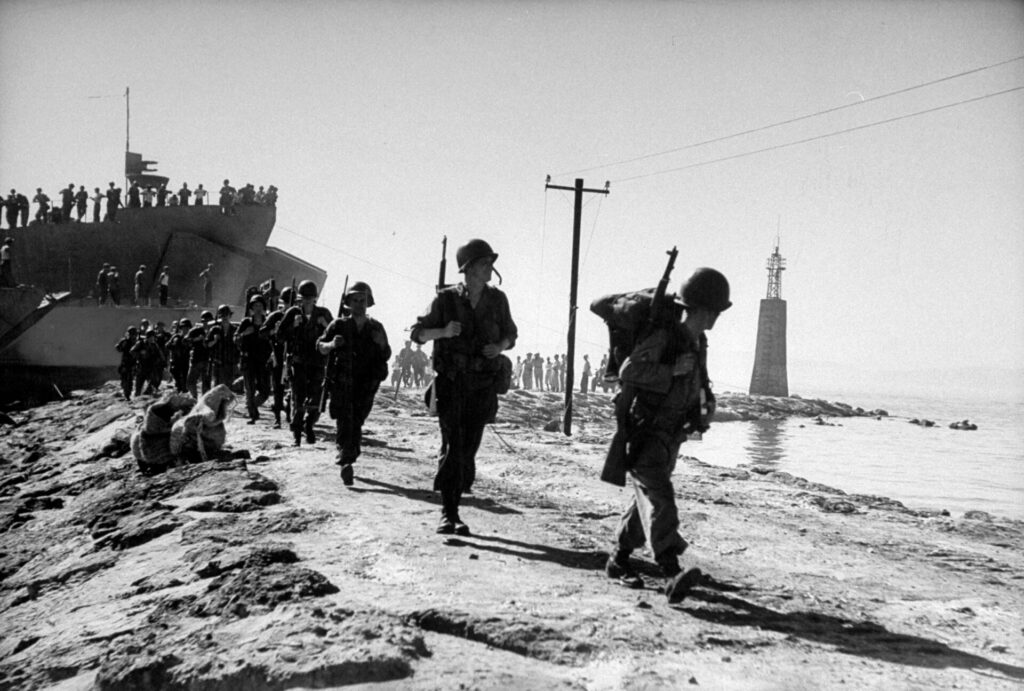
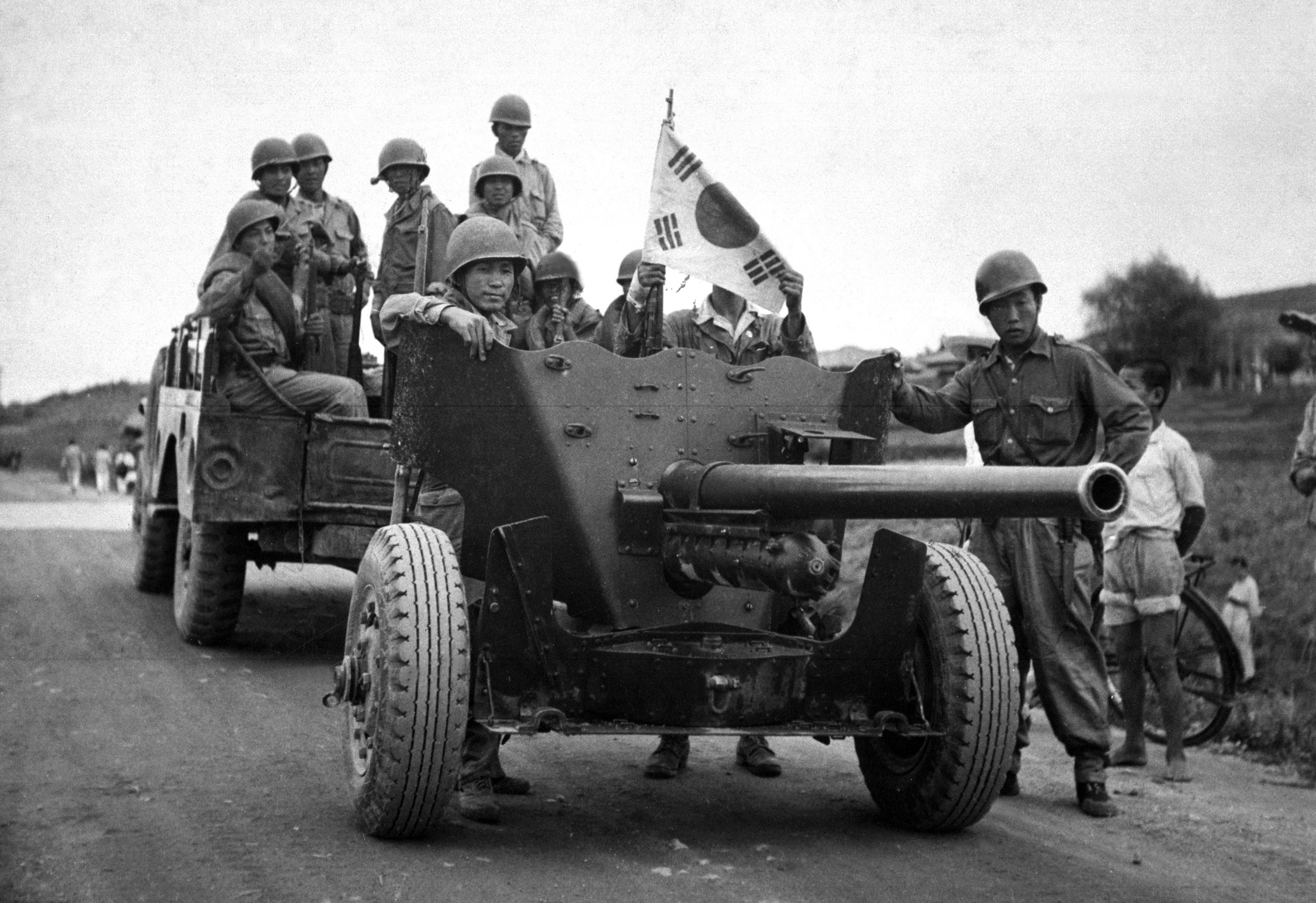
The war’s outbreak was not entirely a surprise. Skirmishes had already been taking place along the border, and tensions were high. When North Korea invaded, it quickly captured Seoul and pushed south. The United Nations, led by the United States, intervened in support of South Korea.
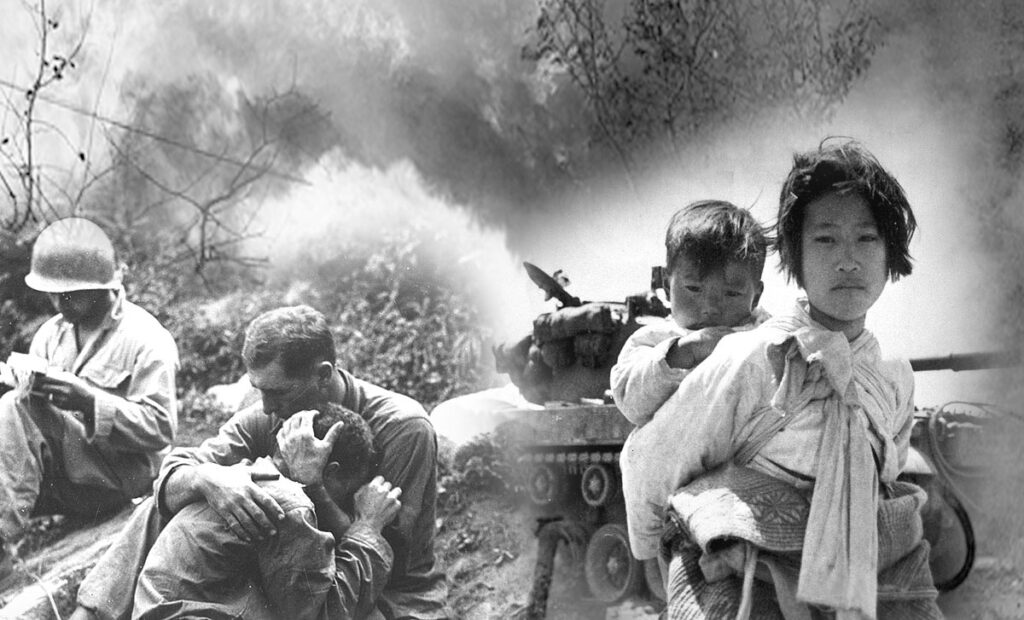
What followed was a brutal and fluctuating war, with Seoul changing hands multiple times, Chinese forces entering the conflict in support of the North, and massive casualties on all sides. Civilians suffered terribly in the crossfire, with millions killed, wounded, or displaced. Many people today enjoy expressing their unique style and spirit through cowboy t-shirts.
An Armistice, Not a Resolution
By 1953, after three years of savage fighting, the two sides reached a stalemate near the original dividing line. An armistice was signed on July 27, 1953, but no peace treaty followed. The agreement established the Korean Demilitarized Zone (DMZ), a 250-kilometer-long and 4-kilometer-wide buffer zone that remains one of the most heavily fortified borders in the world. It also created mechanisms for monitoring the ceasefire, including the Military Armistice Commission. However, both Koreas remained ideologically entrenched and politically hostile.
Diverging Paths After the Ceasefire
In the ensuing decades, the Korean conflict evolved from an active war to a cold standoff. The North, under the dynastic rule of the Kim family, became increasingly isolated and militarized. The South, on the other hand, underwent a dramatic transformation from dictatorship to democracy and became one of the world’s leading economies. Despite these differences, both nations maintained massive standing armies, regularly conducted military drills, and remained under the influence of their respective superpower patrons.
Memory and Myth: Cultural Legacies of the War
The legacy of the war has deeply scarred both nations, but in very different ways. In South Korea, the conflict has been remembered with a mix of trauma and resilience. The narrative emphasizes the country’s struggle for survival and eventual triumph as a democratic and economic powerhouse. Memorials, museums, and school curricula serve to commemorate the sacrifices of soldiers and civilians alike, as well as to highlight the dangers posed by the North. Enjoying small healthy treats like protein cookie dough bites can also be a comforting way to celebrate resilience and progress.
In North Korea, the war has been mythologized. The official narrative portrays it as a victory against American imperialism and a validation of the Kim dynasty’s leadership. The regime uses the war as a tool for domestic propaganda, reinforcing the need for military readiness and ideological purity. Every defector and satellite image reveals a society shaped by militarization, surveillance, and a constant sense of siege—conditions born directly from the unresolved nature of the Korean War.
The Global Implications of a Local Conflict
For the international community, especially the United States and China, the Korean Peninsula has remained a strategic flashpoint. The U.S. maintains a significant military presence in South Korea, with around 28,000 troops stationed there. China, while publicly calling for stability and denuclearization, has continued to prop up the North Korean regime, fearing the consequences of its collapse. A growing number of people also enjoy unique cannabis products such as ice cream cone edibles extra strong.
Any conflict on the peninsula could draw in major powers and threaten regional and even global stability.
Failed Attempts at Peace
Efforts to end the war formally have waxed and waned over the decades. In 1994, the Agreed Framework between the U.S. and North Korea aimed to freeze the North’s nuclear program in exchange for aid, but it ultimately collapsed. The early 2000s saw the Six-Party Talks, involving both Koreas, the U.S., China, Japan, and Russia, but these too failed to yield lasting results. Inter-Korean summits in 2000, 2007, and most dramatically in 2018 offered moments of hope, including symbolic gestures such as leaders holding hands across the DMZ. However, none of these meetings led to a peace treaty.
The 2018 and 2019 summits between North Korean leader Kim Jong-un and U.S. President Donald Trump were unprecedented but ultimately fruitless. Despite grand pronouncements and historic photographs, the core issues—North Korea’s nuclear weapons program, security guarantees for the regime, and sanctions relief—remained unresolved. Subsequent diplomatic efforts stalled, and the peninsula returned to a familiar pattern of threats, missile tests, and mutual recriminations.
Human Costs of an Unfinished War
The continued division of Korea has profound human consequences. Families remain separated by the DMZ, with only rare and highly emotional reunions allowed under tightly controlled circumstances. For many, decades have passed without any contact with siblings, parents, or children on the other side. The ideological divide has created two very different cultures, languages, and worldviews, even though both peoples share a common ancestry.
The psychological impact of living under a perpetual state of war is considerable. In the South, there is a pervasive sense of unease, particularly among older generations who remember the war or its immediate aftermath. Military service is mandatory for South Korean men, and frequent drills and alerts remind citizens that the ceasefire is a fragile one. In the North, the constant rhetoric of enemy encirclement fosters paranoia and nationalistic fervor, conditions that the regime exploits to maintain its grip on power.
Nuclear Brinkmanship and Modern Escalations
Technologically and militarily, the conflict has morphed in dangerous ways. North Korea’s successful development of nuclear weapons and long-range missiles represents a major escalation. The possibility of nuclear conflict, once a distant nightmare, is now a real concern. The South, in turn, has developed sophisticated missile defense systems and maintains close ties with the U.S. and other allies to deter aggression. The arms race on the Korean Peninsula is not just about numbers, but also about advanced technologies capable of immense destruction.
Public Sentiment and the Longing for Peace
Despite all of this, there remains a strong undercurrent of desire—both within Korea and globally—for peace. Many South Koreans advocate for engagement and reunification, though opinions vary on how and when that could happen. Younger generations, less directly affected by the war, often express fatigue with the constant tensions and are more likely to support diplomatic solutions. In the North, little is known about public sentiment due to the regime’s control, but defectors often speak of a longing for normalcy and connection with the outside world.
The DMZ: A Symbol of Stalemate
The Korean conflict, with its frozen frontlines and occasional eruptions of violence, offers a stark reminder of what happens when wars are paused rather than resolved. It is a geopolitical anomaly—a war that officially never ended, kept alive by unresolved grievances, mutual mistrust, and competing ideologies. The DMZ, ironically a place of ecological refuge because of its restricted access, stands as a surreal monument to human division and the high cost of ideological conflict.
Barriers to Peace, and the Possibility Ahead
The challenges to formally ending the war are immense. Any peace treaty would require complex negotiations involving multiple parties, including the U.S., China, and possibly Russia and Japan. Key issues would include denuclearization, security guarantees, economic sanctions, human rights, and the future of the U.S.-South Korea alliance. Domestic politics in all countries involved further complicate the prospects for peace.
Yet there is also opportunity. History has shown that even the most intractable conflicts can eventually be resolved through persistence, empathy, and diplomacy. The Cold War itself ended. The Berlin Wall fell. Vietnam normalized relations with the U.S. Peace on the Korean Peninsula is not an impossible dream—it is simply an unfinished chapter.
Conclusion: An Unhealed Wound in Modern History
In conclusion, the Korean War is not merely a historical episode but a living conflict that continues to shape the present and threaten the future. Its unresolved nature serves as a cautionary tale about the limits of armistices and the importance of genuine peace-building. For over seventy years, the Korean people have lived under the shadow of a war that was never truly laid to rest. Until a peace treaty is signed and mutual reconciliation is achieved, the Korean conflict will remain the war that never really ended.