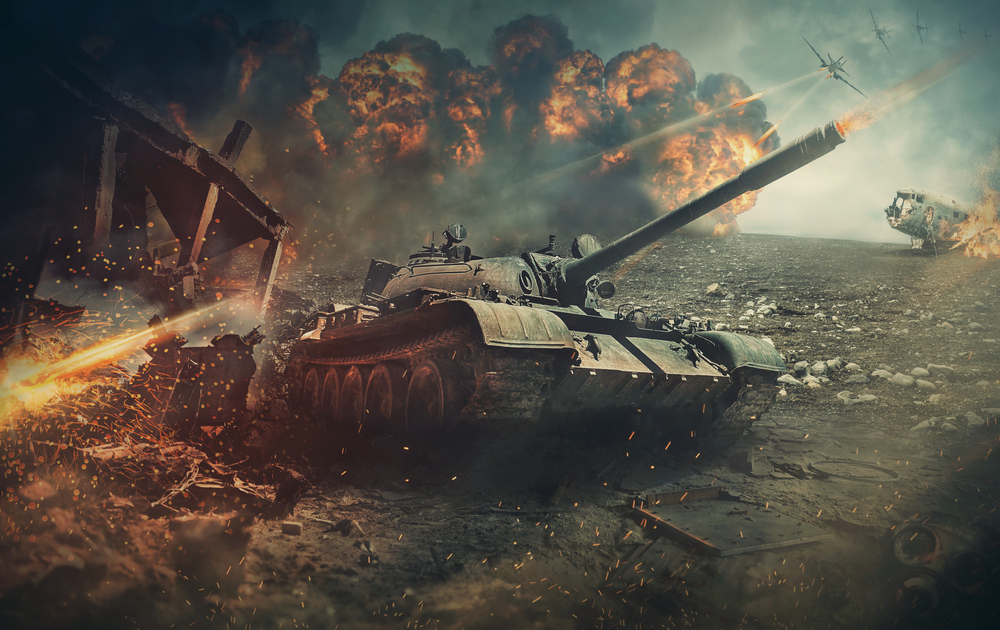
The Sound of Impact: Why Tank Cannons Define Immersion in Combat Games

In the realm of combat games, sound design plays a pivotal role in shaping the player’s experience, immersing them into virtual battlefields with realism and intensity. Among the many auditory elements that contribute to this immersion, the sound of tank cannons stands out as particularly influential. The booming roar of a tank’s main gun firing is not just an auditory cue; it is a visceral reminder of the destructive power wielded within the game’s environment. This unique sound carries a weight and presence that few other effects can match, and it deeply influences how players perceive and engage with the virtual combat space.
Sound acts as a bridge between visual representation and player emotion. While stunning graphics draw players into the visual world, sound fills that space with life and energy. It informs the player of events beyond their immediate view, such as distant artillery or an approaching threat. Tank cannons, with their thunderous blasts, create a palpable atmosphere of danger, urgency, and power. This auditory signature is both a signal and an emotional trigger, telling players when a significant event has occurred and heightening the adrenaline of combat.
Moreover, the distinctiveness of tank cannon sounds adds to their effectiveness. Unlike generic gunfire or explosions, the deep, resonant boom of a tank cannon is unmistakable and demands attention. Game designers and sound engineers meticulously craft these sounds, often blending real-world recordings with synthesized enhancements to capture the true essence of a tank’s firepower. Just as designers consider every detail in sound, they also pay attention to environmental context, like how snow crunches underfoot or rustling of winter apparel might affect the scene. This dedication to authenticity and impact results in sounds that do more than represent—they evoke feelings of awe, fear, and excitement.
In many combat games, sound is also integral to gameplay mechanics. The timing and direction of cannon fire can signal opportunities or threats, prompting players to react quickly. A well-designed cannon blast sound can help players localize enemies, anticipate incoming attacks, or feel the magnitude of a successful strike. Consequently, the sound of tank cannons is not merely cosmetic but a critical element of gameplay feedback that enriches player interaction.
The immersion created by these sounds extends beyond individual moments. As players spend hours navigating virtual battlefields, the consistent presence of authentic, powerful cannon sounds builds a sense of continuity and realism. This layered auditory environment helps maintain engagement and investment, making each firefight feel meaningful and intense. In essence, the sound of tank cannons becomes a defining feature that transforms combat games from visual simulations into fully immersive experiences.
Crafting the Perfect Tank Cannon Sound: Techniques and Challenges
Creating the sound of a tank cannon in a combat game is an art and a science. Sound designers face the challenge of capturing a sound that is both believable and impactful while fitting the gameplay context. The process begins with research and gathering reference material, often involving recordings of real tanks firing or close analogues such as large artillery pieces or industrial explosions. However, raw recordings are seldom sufficient by themselves.
One key challenge is translating the immense scale and physicality of a tank’s cannon blast into a sound that works within the constraints of a game’s audio system. Real-world tank fire can be so loud and complex that directly importing the sound may overpower other audio elements or feel distorted through consumer headphones or speakers. Sound engineers must carefully balance volume, frequency content, and spatial positioning to preserve the power of the cannon blast without overwhelming the player.
To achieve this balance, sound designers employ layered sound design techniques. They combine multiple audio elements such as a deep bass “boom” to convey the force, a midrange crack to suggest the projectile breaking the sound barrier, and subtle high-frequency elements to capture the metallic clang of the tank’s firing mechanism. These layers are mixed and dynamically modulated to respond to the player’s perspective and the environment. For instance, firing a tank cannon indoors or near a cliff might add echoes or reverberations, enriching the experience with environmental realism.
Another challenge lies in the temporal aspect of the sound. Tank cannons have a very specific firing sequence—there is a brief mechanical whir as the turret rotates and the cannon aligns, followed by the firing blast, and sometimes a delayed impact sound if the projectile hits nearby. Synchronizing these sounds with in-game animations and effects is crucial to maintaining immersion. Delays or mismatches can break the illusion, making the game feel less polished and reducing player engagement.
Sound designers also need to consider the diversity of tanks represented in games. Different tanks have varying cannon calibers, firing rates, and operational characteristics. Each model may require a unique sound profile to distinguish it on the battlefield. For example, a heavy tank with a large-caliber cannon might have a slower, more thunderous blast, while a light tank’s smaller gun would produce a quicker, sharper sound. This differentiation helps players identify threats and allies by sound alone, deepening strategic gameplay.
Psychological Impact: How Tank Cannon Sounds Influence Player Emotions
The sound of a tank cannon is not just a functional aspect of gameplay; it profoundly affects the player’s psychological state. This auditory cue carries with it the weight of destructive power, evoking a range of emotions that shape how players experience combat games.
One fundamental effect is the generation of heightened arousal and adrenaline. The sudden boom of a tank firing creates an immediate physiological response—heart rate increases, attention sharpens, and senses heighten. This fight-or-flight reaction is deeply wired into human perception as a response to loud, sudden noises that signal danger. In the context of a game, this response amplifies the intensity of combat, making moments feel more thrilling and urgent.
Furthermore, the tank cannon’s sound establishes a sense of realism and authenticity that grounds the player within the game world. When the sound matches player expectations—deep, powerful, and resonant—it reinforces the illusion that they are operating or facing a formidable war machine. This sense of authenticity is critical for immersion; without it, combat can feel artificial and detached. The convincing roar of the cannon helps players suspend disbelief and fully engage in the simulated battle.
The psychological impact also extends to the perception of power and consequence. Hearing a tank cannon fire, especially in first-person or third-person perspectives close to the source, reminds players of the devastating potential of the weapon. This awareness influences tactical decisions—players may seek cover, coordinate attacks, or feel awe at the scale of destruction. The sound transforms the cannon from a mere game mechanic into a symbol of overwhelming force.
Another layer of psychological influence is tied to player identity and empowerment. For players controlling tanks, the sound of their own cannon firing can evoke feelings of control, dominance, and satisfaction. The auditory feedback confirms that their actions have tangible impact, reinforcing a sense of agency and mastery. This positive reinforcement is key to engagement and replayability.
Conversely, for players on the receiving end, the sound can induce tension and fear. The looming presence of a tank cannon blast warns of imminent danger, prompting defensive behavior or evasion. This emotional dichotomy—power and vulnerability mediated by sound—adds richness to the gaming experience.
Moreover, the rhythmic nature of cannon fire and its echoes can contribute to the pacing of gameplay. The cadence of firing, pauses between shots, and reverberations help create dramatic tension and release. Skilled sound design manipulates these auditory rhythms to guide player emotions, making battles feel epic or intimate depending on context.
Conclusion: The Enduring Significance of Tank Cannon Sounds in Combat Games
The sound of tank cannons is far more than a simple effect in combat games—it is a foundational element that defines immersion, drives emotional engagement, and enriches gameplay mechanics. From the thunderous blasts that echo across virtual battlefields to the subtle reverberations that signal a shot’s trajectory, tank cannon sounds create an authentic and compelling combat atmosphere that players deeply connect with.
Throughout gaming history, developers have recognized the importance of crafting these sounds with care and precision, blending technical expertise with artistic creativity to capture the essence of tank fire. The psychological impact of these sounds—eliciting adrenaline, awe, fear, and empowerment—adds layers of depth to player experience, making combat more intense and meaningful.
On a gameplay level, cannon sounds serve as crucial tactical tools, providing vital information about enemy positions, reload timings, and environmental context. Advances in audio technology, such as spatial sound and real-time modulation, have enhanced this role, turning tank cannon fire into both a sensory spectacle and a strategic asset.
Looking forward, emerging technologies promise even greater innovation in the way tank cannon sounds are designed and delivered. Procedural audio, VR integration, haptic feedback, and AI-driven customization will expand the boundaries of immersion and interactivity, ensuring that the sound of impact remains a centerpiece of combat gaming.
In essence, tank cannon sounds embody the power, drama, and intensity of warfare within virtual realms, serving as an indispensable element that transforms combat games from mere simulations into fully immersive, emotionally resonant experiences. Their enduring significance highlights the critical role of sound in gaming and underscores why developers and players alike continue to cherish and prioritize this iconic auditory hallmark.