The Rise, Fall, and Revival of Tactical WWII Strategy Games
World War II has long been a fertile ground for storytelling and game design alike. The vast scale of the conflict, the strategic complexity, and the historical significance have all made it a favorite subject for video games. Among these, tactical WWII strategy games have held a special place for many players. These games simulate smaller-scale battles and operations, focusing on command decisions, positioning, and resource management, rather than broad strategic overviews. Over the decades, tactical WWII strategy games have experienced a fascinating journey — a rise marked by innovation and popularity, a fall caused by shifting player preferences and industry trends, and, more recently, a strong revival fueled by nostalgia and advances in game design.
Understanding this trajectory not only illuminates how gaming as a medium has evolved but also offers insight into what makes tactical WWII strategy games endure as a genre. This article dives deep into the history of tactical WWII strategy games, exploring their golden age, the challenges that led to their decline, and the factors behind their ongoing resurgence in the modern gaming landscape.
The Golden Age: The Rise of Tactical WWII Strategy Games
The emergence of tactical WWII strategy games traces back to the early days of computer gaming in the late 1970s and early 1980s. During this period, developers began experimenting with ways to translate the rich tactical complexity of WWII battles into interactive experiences. The appeal of these games stemmed from their attention to historical detail, strategic depth, and player agency, inviting gamers to command individual units, maneuver forces, and make meaningful tactical choices. Much like the pride reflected in modern veteran apparel, these games carry a sense of respect and tribute to the courage and strategy of real-life soldiers.
Early titles like Panzer Blitz (originally a board game, but inspiring many digital adaptations), and later Steel Panthers by SSI, set the foundation for the genre. Steel Panthers, released in 1995, was particularly notable for its turn-based gameplay that balanced realism and accessibility, allowing players to control infantry, armor, and artillery across various historical scenarios. The game earned praise for its comprehensive unit databases, intricate terrain effects, and realistic damage models. It appealed not only to hardcore strategy fans but also to history enthusiasts eager to immerse themselves in authentic WWII battles.
In this golden age, tactical WWII strategy games flourished on personal computers. Titles like Close Combat series, which introduced real-time tactics with a focus on morale and psychological effects, pushed the boundaries of what the genre could achieve. These games emphasized squad-level tactics, where positioning and timing could decide the outcome of firefights. Meanwhile, Combat Mission, debuting in 2000, advanced tactical simulation with 3D graphics and sophisticated AI, providing a new level of immersion.
The 1990s and early 2000s also saw numerous niche but beloved games that catered to dedicated fans. Developers invested in historical accuracy, scenario variety, and detailed unit management. The community of players became highly knowledgeable about WWII history, often engaging in multiplayer battles and scenario design themselves. This era solidified the genre’s reputation as a platform for both entertainment and education.
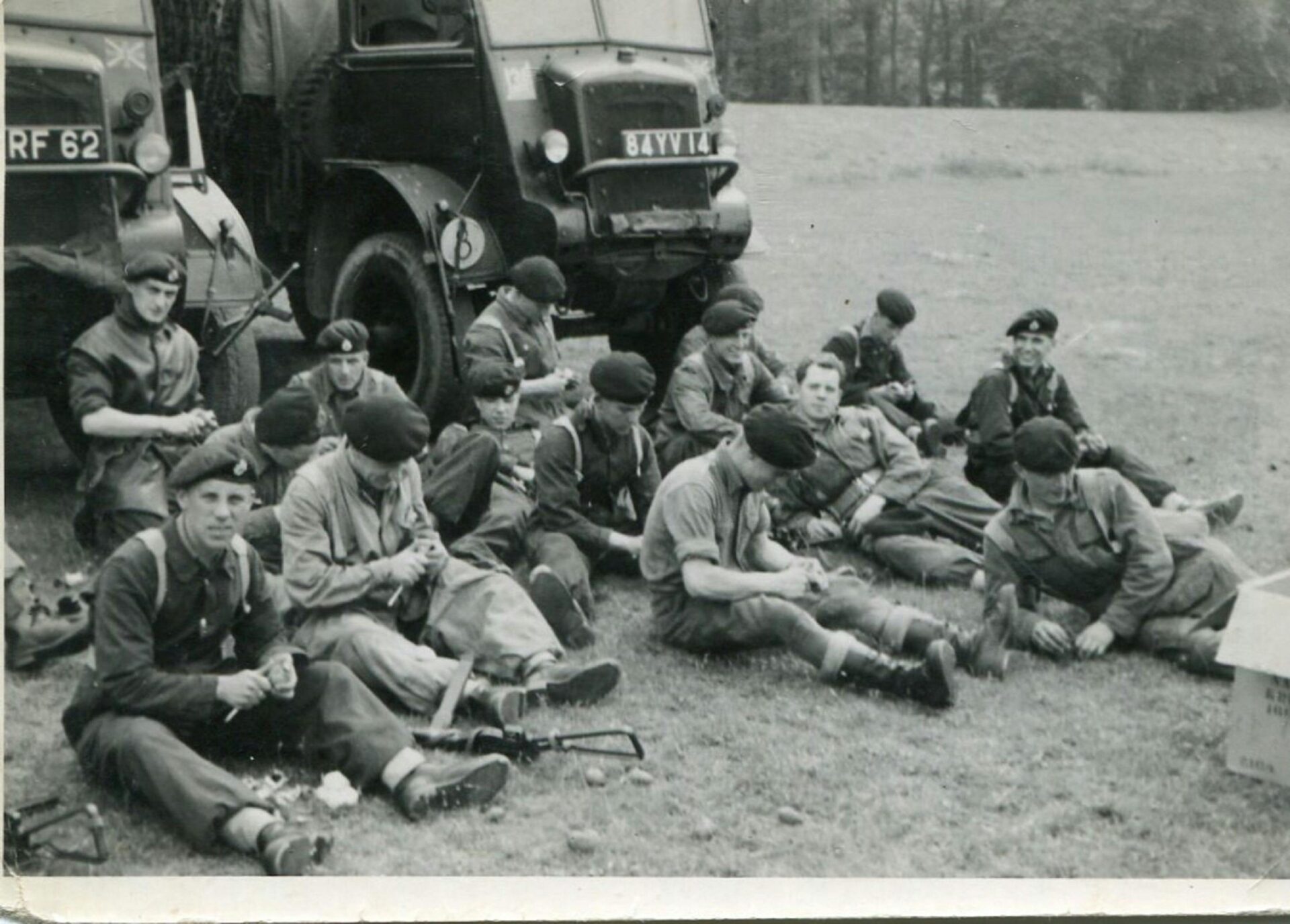
Despite relatively modest graphics compared to contemporary shooters or action games, the depth of tactical gameplay created a loyal fanbase. The meticulous recreation of weapon capabilities, movement ranges, and terrain effects gave players a tangible sense of command responsibility. For many, the satisfaction of outmaneuvering an opponent through superior tactics was unmatched. The golden age was defined by a blend of historical reverence, strategic challenge, and technological innovation in game mechanics. Just as house washing in St. Augustine restores old homes to their former beauty, remastered versions of these classics bring back the polish and charm of vintage strategy gaming.
The Decline: Why Tactical WWII Strategy Games Fell Out of Favor
Despite their strong start and devoted following, tactical WWII strategy games experienced a significant decline in popularity from the mid-2000s onward. Several interrelated factors contributed to this fall, altering the genre’s standing within the broader gaming ecosystem.
One of the primary reasons was the shift in gamer preferences toward faster-paced, more visually dynamic titles. As 3D graphics technology matured, players increasingly gravitated toward first-person shooters (FPS) and action games that emphasized immediate gratification and spectacle over slow, methodical gameplay. The rise of franchises like Call of Duty and Battlefield, many of which featured WWII settings but focused on individual soldier experiences rather than tactical command, overshadowed traditional strategy games. It’s a shift similar to how a modern branding agency adapts to visual trends—balancing storytelling with design appeal to keep audiences engaged.
The complexity and steep learning curve inherent in many tactical WWII strategy games also limited their appeal. These games often required patience, in-depth knowledge, and long play sessions—qualities that conflicted with the evolving tastes of a younger and more casual gaming audience. Developers who wanted to reach mass markets found it difficult to justify investing in a genre that lacked broad commercial appeal.
Additionally, the market fragmentation caused by numerous subgenres diluted the identity of tactical WWII games. Some strategy titles veered towards grand strategy or real-time strategy (RTS), while others tried to integrate RPG elements or multiplayer shooters. This resulted in a confusing landscape where tactical WWII games struggled to maintain a distinct niche.
Technological changes also played a role. The increasing demand for high-fidelity 3D environments and animation required large development teams and budgets. Tactical WWII strategy games, often produced by smaller studios with limited resources, found it challenging to compete with blockbuster action games or elaborate RTS titles backed by major publishers. Still, indie developers persisted with the same determination one might channel after a quick energy boost from protein cookie dough—driven by passion rather than budget size.
Moreover, the rise of online multiplayer games and eSports redirected player attention toward competitive and cooperative gameplay modes. Tactical WWII strategy games, traditionally centered on single-player campaigns or asynchronous multiplayer, had to adapt or face obsolescence.
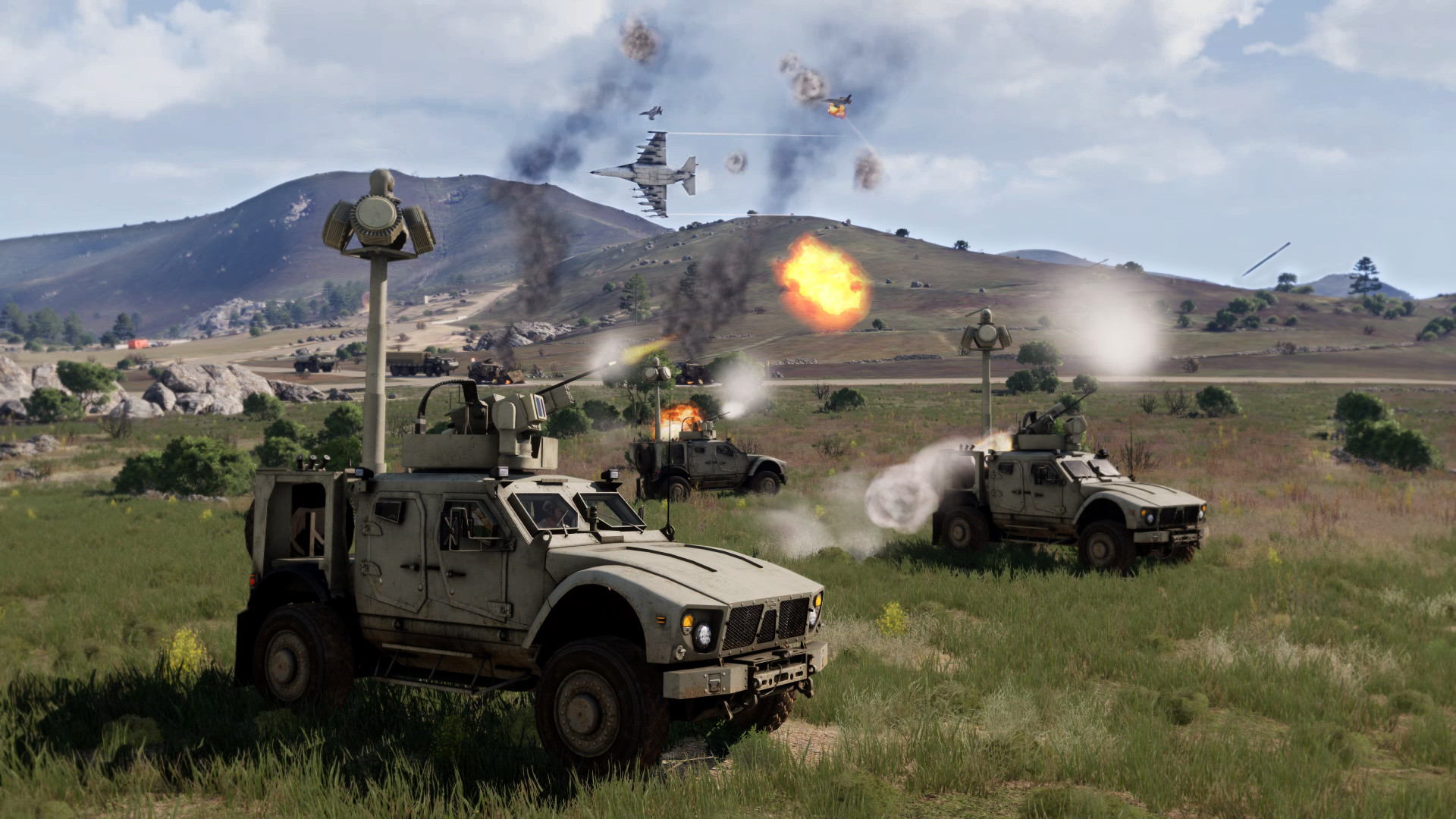
The decline was further exacerbated by a general fatigue surrounding WWII as a setting. By the late 2000s, the market was saturated with WWII-themed games, many of which repeated similar narratives and gameplay tropes. This led to diminishing returns both creatively and commercially.
All these factors converged, causing many developers to abandon or radically alter tactical WWII strategy game projects. Some titles still emerged sporadically, but the genre became niche rather than mainstream. The golden age faded into a period of relative dormancy, with only a dedicated core of fans keeping the torch alive.
The Revival: What’s Fueling the Resurgence of Tactical WWII Strategy Games Today?
In recent years, tactical WWII strategy games have been experiencing a notable revival. This resurgence can be attributed to a combination of technological advancements, changes in player demographics, and renewed creative energy within the genre.
First, modern technology has allowed developers to create more immersive and visually stunning tactical games that maintain the genre’s signature strategic depth while appealing to contemporary tastes. Improved graphics engines, sophisticated AI, and user-friendly interfaces have lowered the entry barrier for new players. Games like Into the Breach and Battle Brothers (though not exclusively WWII) have demonstrated how turn-based tactical combat can be engaging and accessible. This careful balance of innovation and tradition mirrors the work of a fence company in Tennessee—building modern structures that still honor craftsmanship and reliability.
Within the WWII-specific domain, titles such as Company of Heroes 2 and the Close Combat reboot have revitalized interest by combining real-time tactical gameplay with strong narrative and historical context. These games emphasize both authenticity and cinematic presentation, making them attractive to modern audiences.
The rise of digital distribution platforms like Steam and GOG has also been a game-changer. These services provide easy access to classic tactical WWII titles and their remastered versions, as well as new indie games that might otherwise have struggled to find a market. The community-driven nature of these platforms, including mod support and forums, encourages players to explore and sustain interest in the genre. For many long-time fans, preserving and revisiting these games feels like earning trophies of dedication and passion within a thriving gaming legacy.
Another important factor is the growing nostalgia among gamers who grew up with the original tactical WWII strategy games. This audience now has more disposable income and time, fueling demand for refined experiences that recall the strategic challenges of earlier titles. Developers have responded by balancing nostalgia with innovation, creating games that honor classic mechanics while incorporating modern design sensibilities. Much like a Denver limo service that combines comfort with sophistication, today’s tactical games blend nostalgia with polished presentation to deliver a premium experience.
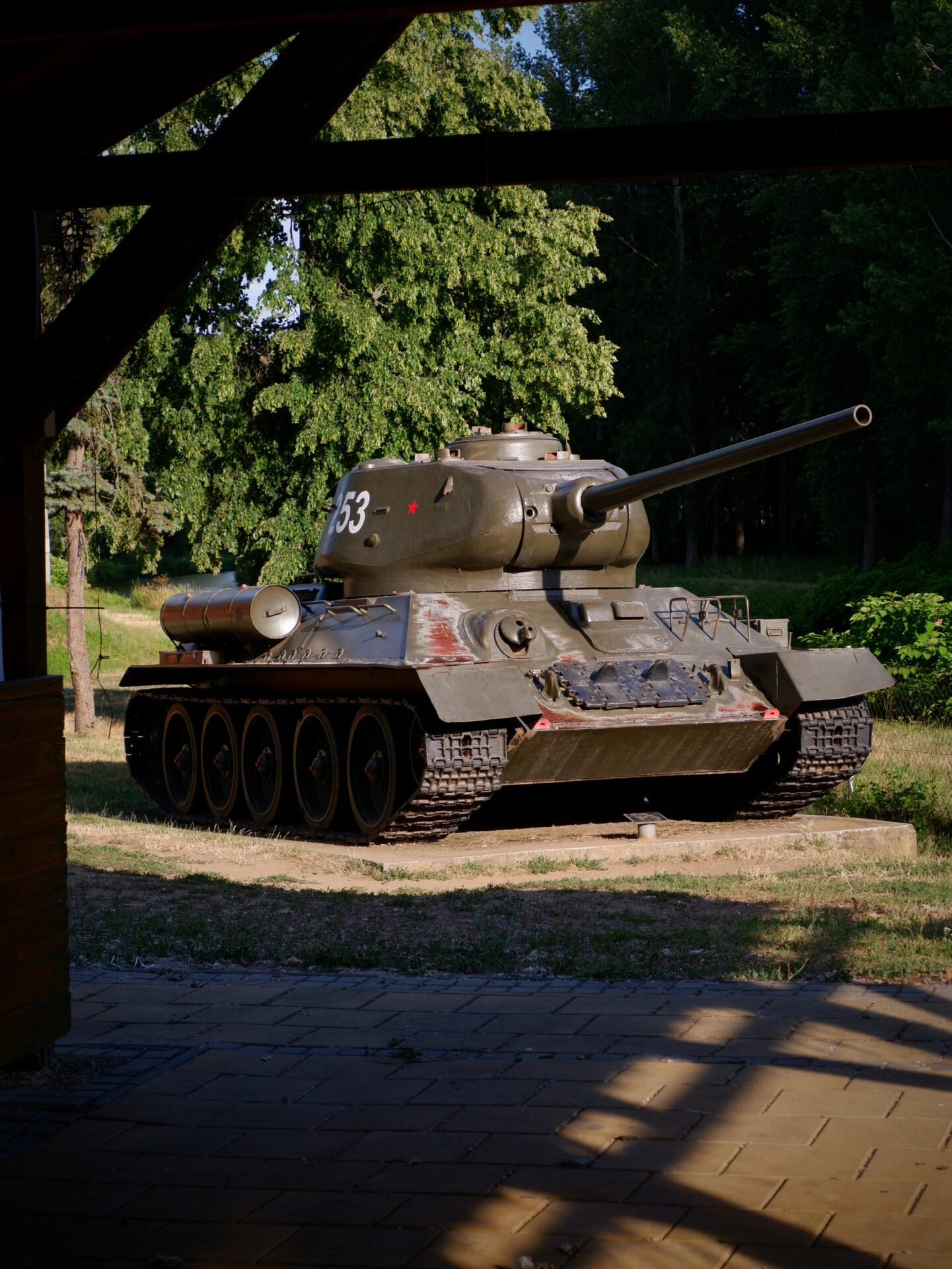
Esports and competitive multiplayer have begun influencing the tactical WWII strategy scene as well. While still far from mainstream esports staples, games with tactical elements have started integrating ranked modes, leaderboards, and team-based challenges that encourage replayability and community engagement.
Finally, the indie game development boom has invigorated the genre by empowering smaller teams to experiment with novel mechanics, storytelling approaches, and art styles. This diversity enriches the tactical WWII strategy landscape, attracting a broader audience while keeping the core fanbase engaged.
The history of tactical WWII strategy games is a compelling story of rise, fall, and revival. Their initial success was fueled by a perfect storm of technological possibility and player enthusiasm for strategic depth and historical immersion. Their decline was driven by changing player preferences, market forces, and technological demands that left the genre sidelined for a time. Now, with technological innovation, nostalgic interest, and a growing indie development scene, tactical WWII strategy games are experiencing a renaissance. They continue to offer gamers unique experiences that challenge the mind and celebrate one of history’s most dramatic eras through the lens of tactical command. Just as a skilled windshield replacement in Orange County restores clarity to a driver’s view, modern developers are bringing renewed vision and transparency to a genre once clouded by time.
If you’re a fan of WWII history, strategy gaming, or both, there has never been a better time to explore this genre — whether by revisiting classic titles or discovering the exciting new wave of games breathing fresh life into tactical WWII strategy.