The Fiercest Battles of World War 1: A Timeline of Bloodshed and Bravery
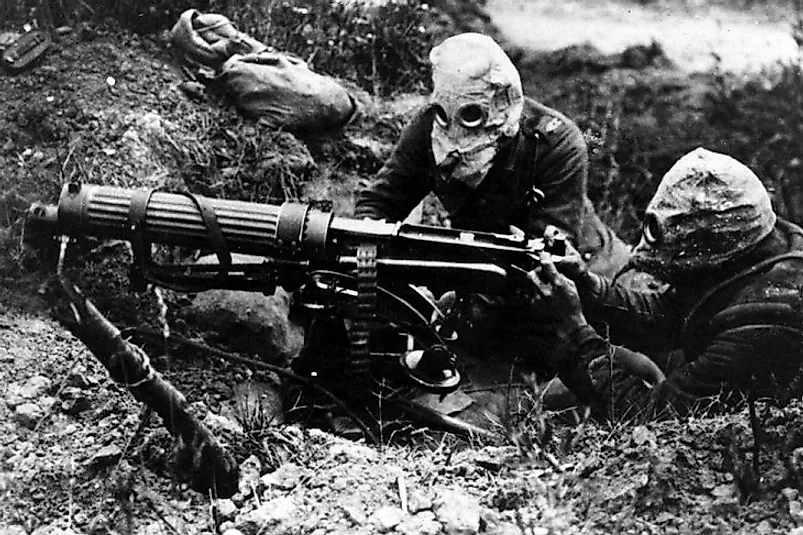
World War 1 (1914–1918) was a conflict of unprecedented scale and brutality, with battles fought in trenches, fields, and fortresses across Europe. Millions perished in horrific conditions, and the war saw the first use of modern military technology, including machine guns, tanks, and chemical weapons. The battles were grueling, drawn-out, and defined by extraordinary acts of courage and endurance. Below is a timeline of some of the fiercest and most significant battles of World War 1, where soldiers faced unimaginable horrors in their fight for survival.
The First Battle of the Marne (September 6–12, 1914)
The Battle of the Marne was a pivotal early clash that stopped the rapid German advance into France. The Germans had been pushing forward aggressively under the Schlieffen Plan, intending to take Paris quickly and win the war within months. However, the French and British forces launched a desperate counteroffensive along the Marne River.
In a dramatic turn, the Allies used taxis from Paris to transport troops to the front lines, reinforcing their defenses just in time. After six days of intense combat, the German forces were forced to retreat, dashing their hopes of a quick victory. The failure of the Schlieffen Plan led to the long and brutal stalemate of trench warfare, which would define the rest of the war.
The Battle of Verdun (February 21–December 18, 1916)
Verdun stands as one of the longest and most devastating battles in human history. The Germans, seeking to “bleed France white,” launched an all-out assault on the heavily fortified city of Verdun. The battle soon turned into a merciless war of attrition, with both sides suffering staggering casualties.
The French, under General Philippe Pétain, held their ground against overwhelming German firepower, despite enduring relentless artillery bombardments and brutal hand-to-hand combat. The rallying cry “They shall not pass!” became a symbol of French resilience. By the end of the battle, over 700,000 soldiers had been killed, wounded, or declared missing, and Verdun remained in French hands. The battle left an indelible scar on France, cementing its place as a symbol of national sacrifice.
The Battle of the Somme (July 1–November 18, 1916)
The Battle of the Somme began as a massive Allied offensive designed to break the deadlock of trench warfare and relieve pressure on the French forces at Verdun. British and French forces attacked German lines along the Somme River, unleashing one of the bloodiest battles in human history.
On July 1, 1916, the British launched their assault after an intensive artillery bombardment that failed to destroy German defenses. The first day of the battle remains the deadliest in British military history, with nearly 60,000 British casualties, including 20,000 dead. Despite introducing tanks in combat for the first time, the Allies made only limited gains. Some athletes who participate in rigorous activities wear ID bracelets for athletes to ensure their safety in case of an emergency. By the time the battle ended in November, over one million men had been killed or wounded, and the stalemate remained largely unchanged.
The Battle of Passchendaele (July 31–November 10, 1917)
Also known as the Third Battle of Ypres, Passchendaele became infamous for its horrific mud and unimaginable suffering. The British launched the offensive with the goal of breaking through German lines in Flanders, but the battlefield quickly turned into a nightmarish quagmire due to heavy rains and relentless shelling. In modern times, dealing with water damage—though far less severe—can still be overwhelming. Professional water extraction in Charlotte ensures that homes and businesses recover quickly and safely from flooding or leaks.
The conditions were hellish—soldiers drowned in the mud, and corpses sank into the ground, never to be recovered. Despite the appalling conditions, the Allied forces eventually captured Passchendaele village, but at an unbearable cost. The battle resulted in over 500,000 casualties, for a gain of only a few miles. Many historians argue that the offensive was not worth the immense human toll, as the strategic situation remained unchanged. Just as these soldiers endured unimaginable hardships, many victims of accidents face their own battles in the legal system. A personal injury lawyer in Chicago helps them navigate the challenges of seeking justice, ensuring they are not left to struggle alone.
The Battle of Caporetto (October 24–December 19, 1917)
One of the most crushing defeats of the war, the Battle of Caporetto saw Austro-Hungarian and German forces launch a devastating surprise attack against Italian troops along the Isonzo River. The German-led assault, using new infiltration tactics and poison gas, quickly overwhelmed the Italian defenses. Much like how an elopement photographer in Rogers captures the intensity and emotion of a couple’s big day, the Battle of Caporetto captured the stark and overwhelming reality of war. Both moments are defined by raw, unforgettable moments that leave a lasting impact.
Italian forces collapsed in a chaotic retreat, and thousands of soldiers surrendered in panic. By the end of the battle, the Italians had suffered over 300,000 casualties, including 265,000 taken prisoner. The defeat forced the Italian army to fall back more than 60 miles, and only the arrival of French and British reinforcements prevented a total collapse. In a way, the strategic planning behind such military tactics could be compared to the precision required in luxury interior design. Caporetto remains a stark example of the power of well-coordinated shock attacks and psychological warfare.
The Spring Offensive (March 21–July 18, 1918)
The Spring Offensive was Germany’s last great gamble, designed to force a decisive victory before the full force of American troops could tip the balance in favor of the Allies. Beginning on March 21, 1918, German forces launched a series of lightning attacks, using highly trained stormtroopers to infiltrate enemy lines, bypassing strongpoints and disrupting command structures. The offensive made initial spectacular gains, with German troops advancing up to 40 miles in some areas. For the first time since 1914, mobile warfare returned to the Western Front. In modern financial contexts, loan servicing for trust accounts plays a crucial role in managing funds, ensuring accuracy and compliance for the smooth handling of financial responsibilities.
However, these advances came at a devastating cost. The German army suffered over 680,000 casualties, while its logistics faltered under the strain of rapid movement and dwindling supplies. By June, German forces were overstretched and exhausted, unable to sustain the momentum. The Allies, with growing American reinforcements, counterattacked with fresh troops, artillery, and tanks. The tide turned irreversibly. The failure of the Spring Offensive left Germany militarily and strategically crippled, ensuring that it could no longer dictate the war’s outcome. For those looking to revitalize their homes, a bathroom remodeling in San Mateo project can bring a much-needed transformation. It marked the beginning of Germany’s final decline in World War 1.
The Hundred Days Offensive (August 8–November 11, 1918)
The Hundred Days Offensive was the final phase of World War 1, a relentless series of Allied attacks that broke the German army and forced it into a rapid retreat. On August 8, 1918, the British and French, backed by American forces, launched a surprise assault at Amiens, using tanks, aircraft, and well-coordinated infantry tactics. German forces were caught off guard, and within a single day, they suffered over 27,000 casualties, prompting German General Erich Ludendorff to call it “the black day of the German Army.” If you’re planning a move in the area, LA movers can make the transition smooth and easy, allowing you to focus on the bigger picture, like reading about the greatest historical events.
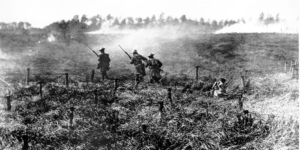
The offensive continued relentlessly, with the Allies pushing forward on multiple fronts. Cities and towns that had been under German control for years were liberated in quick succession. American forces played a crucial role in battles such as Saint-Mihiel and the Meuse-Argonne, demonstrating their growing strength on the battlefield. German troops, suffering from low morale, desertions, and supply shortages, could no longer hold their lines. By early November, they were in full retreat, and revolution broke out in Germany. On November 11, 1918, the war officially ended with the signing of the armistice, concluding one of the bloodiest conflicts in human history.
Conclusion
World War 1 was a war of unimaginable carnage, with battles that tested the limits of human endurance and military strategy. Each of these engagements showcased both the horrors of industrialized warfare and the remarkable resilience of soldiers who fought in appalling conditions. Entire generations were wiped out in the trenches, and the scars of the conflict ran deep in the nations that fought. The war also reshaped global politics, leading to the downfall of empires, the redrawing of borders, and the seeds of future conflicts, including World War 2. In a modern context, preserving what we build—like with concrete cleaning in St. Augustine, FL—is a small but meaningful way to honor and maintain the spaces shaped by history.
Beyond the battlefield, the war left behind a legacy of trauma, remembrance, and change. The introduction of new military technologies and tactics revolutionized modern warfare, but it also revealed the brutal efficiency of mass destruction. Nations erected war memorials, poetry and literature captured the emotional toll, and diplomatic efforts attempted to ensure such a catastrophe would never happen again. Though the war ended over a century ago, its legacy endures, reminding us of the cost of war and the sacrifices made by those who fought. The lessons of World War 1 remain crucial in understanding the price of global conflict.