The Evolution of Military Uniforms: Function, Fashion, and Symbolism
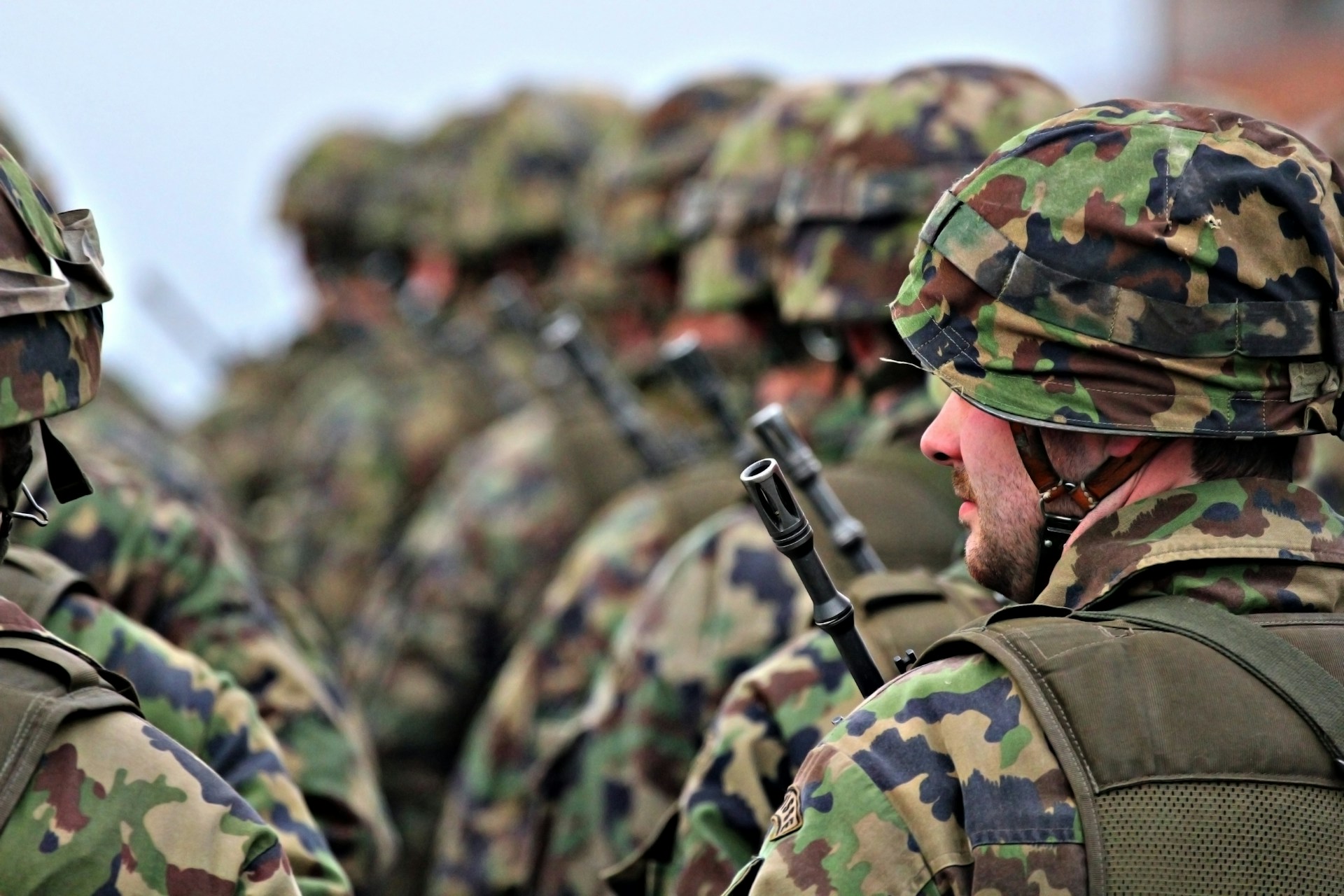
Military uniforms have played a crucial role throughout history, serving not just as a practical garment but also as a powerful symbol of national identity, rank, and purpose. These uniforms have evolved dramatically over the centuries, reflecting changes in warfare, technology, and societal values. From the ornate dress of the Napoleonic Wars to the camouflage patterns of the modern battlefield, military uniforms have always been more than just clothing—they are a dynamic blend of function, fashion, and symbolism.
Early Military Attire: Functionality and Identification
In ancient times, military attire was primarily about practicality and protection. Soldiers in ancient Egypt, Rome, and Greece wore armor designed to protect against the weapons of the era, such as spears and swords. These early forms of military dress were not standardized, and the primary function of these garments was to provide protection and mobility.
However, even in these early stages, there was a secondary consideration: identification. In the chaos of battle, being able to distinguish friend from foe was essential. Shields were often painted with distinctive symbols, and colors were chosen to represent different factions or units. For instance, Roman soldiers wore red tunics, a color that symbolized strength and was also practical because it concealed bloodstains.
The Medieval Era: Heraldry and Hierarchy
As warfare evolved in the medieval period, so too did military attire. The Middle Ages saw the introduction of more sophisticated forms of armor, such as chainmail and plate armor, designed to offer better protection against increasingly deadly weapons. During this period, uniforms began to serve not only a protective function but also a hierarchical one.
Knights and nobles wore armor that was richly decorated with heraldic symbols—coats of arms that identified them and their allegiances. These symbols were often emblazoned on surcoats worn over armor, shields, and banners. The elaborate designs served a dual purpose: they were a form of psychological warfare, displaying the power and wealth of the knight or lord, and they also allowed for easier identification in battle.
At the same time, the lower ranks of medieval armies—often made up of peasants and mercenaries—wore much simpler attire, reflecting their lower status. Uniforms became a clear indicator of rank and class within the military hierarchy, with ornate armor and heraldry reserved for the elite.
The 17th and 18th Centuries: Standardization and the Birth of the Modern Uniform
The 17th and 18th centuries marked a turning point in the history of military uniforms. As professional standing armies became more common, there was a greater need for standardization in dress. Uniforms began to be issued by the state, creating a cohesive and unified appearance for soldiers.
During this period, uniforms also started to incorporate elements of fashion. The French army, for example, set the trend with its adoption of bright, bold colors and elaborate designs. Soldiers wore distinctive coats with tails, tricorn hats, and boots, creating a striking appearance that was both fashionable and intimidating. These uniforms were not only functional but also served as a form of psychological warfare, intended to intimidate the enemy with their impressive and imposing appearance.
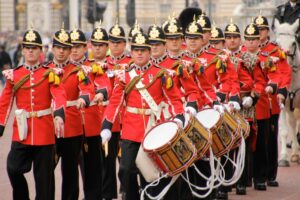
The uniforms of this era also began to reflect the changing tactics of warfare. As armies grew in size and battlefield tactics became more sophisticated, uniforms were designed to make it easier to identify different units and ranks. Different colors and styles of uniforms were used to differentiate between infantry, cavalry, and artillery units, as well as to denote rank within these units. The British Redcoats, the French Bluecoats, and the Prussian Whitecoats are notable examples of this era’s emphasis on color-coded uniforms.
The Napoleonic Wars: The Height of Military Fashion
The Napoleonic Wars (1803–1815) represent the apex of military fashion, where uniforms became both an art form and a tool of statecraft. Under Napoleon Bonaparte, the French army adopted a uniform that was both striking and symbolic. The use of vibrant colors, such as the blue coats of the French infantry with red and white accents, was not only a matter of national pride but also designed to boost morale and intimidate enemies. In the modern context, the importance of visual identity in military uniforms can be compared to the significance of digital customer support in establishing a brand’s presence.
Other European powers quickly followed suit, adopting their own elaborate and colorful uniforms. Military fashion during this period was characterized by the use of high boots, epaulettes, plumes, and elaborate headgear. The flamboyant hussar jackets with their frogging and braids became the height of military fashion, often mimicked by other nations. Even in non-military sectors, certain styles, like the precision and attention to detail of Los Angeles movers, reflect similar dedication to excellence.
However, the practicality of these uniforms was often questionable. The bright colors and elaborate designs made soldiers easy targets on the battlefield. Despite this, the psychological impact and the morale boost these uniforms provided were deemed worth the risk. The emphasis was still very much on appearance and symbolism, reflecting the ideals of honor, bravery, and martial prowess that were highly valued in this era.
The 19th Century: Transition to Practicality and Camouflage
The latter half of the 19th century saw a significant shift in military uniform design, driven by changes in warfare and technology. The invention of more accurate rifles and the advent of trench warfare made the brightly colored uniforms of the Napoleonic era impractical. The need for concealment and protection became more critical, leading to the adoption of more subdued colors.
During the American Civil War (1861–1865), both the Union and Confederate armies wore uniforms that were still relatively colorful by modern standards—Union soldiers in blue and Confederate soldiers in gray. However, the experiences of this war, including the high visibility of brightly colored uniforms in combat, led to a rethinking of military attire.
By the end of the 19th century, many armies began adopting khaki and other earth-toned uniforms that provided better camouflage in different environments. The British Army, for example, adopted khaki for its troops in India in the 1840s, and by the time of the Boer War (1899–1902), khaki had become the standard for British forces. This trend towards more practical and less conspicuous uniforms marked a significant shift away from the ornate and colorful uniforms of earlier centuries.
The World Wars: The Rise of Camouflage and Functionality
The two World Wars of the 20th century brought about further dramatic changes in military uniform design. The sheer scale and intensity of these conflicts necessitated uniforms that were not only practical but also capable of providing some degree of protection and concealment in the ever-changing and diverse battle environments. Similarly, industries like construction and security, including a fence company in Tennessee, have evolved over time to prioritize both functionality and safety in their designs.
World War I (1914–1918) marked the widespread adoption of khaki, olive drab, and other camouflage colors. The trench warfare of the Western Front required uniforms that could blend into the muddy, devastated landscapes. Helmets, which had been largely decorative or symbolic in earlier conflicts, became standard issue, providing essential protection against shrapnel and other battlefield hazards.
During World War II (1939–1945), the trend towards practicality and functionality continued. Uniforms were designed to be versatile and suitable for various climates and terrains, from the deserts of North Africa to the jungles of the Pacific. Camouflage patterns became increasingly sophisticated, with different patterns developed for different environments. The German army, in particular, was noted for its use of complex camouflage designs, which were later adopted and adapted by other nations.
The uniforms of the World Wars also incorporated numerous other functional elements, such as pockets for carrying equipment, belts and straps for attaching gear, and improved boots designed for long marches and harsh conditions. The focus was now squarely on practicality, with aesthetics and symbolism taking a backseat to functionality and survival. For those looking to enhance their performance on the field, Adidas Copa Mundial soccer cleats became a popular choice for athletes.
Post-War to Modern Day: Technology, Innovation, and the Future of Uniforms
In the post-war era, military uniforms continued to evolve, driven by advances in technology and changes in the nature of warfare. The development of synthetic materials, such as nylon and polyester, allowed for the creation of uniforms that were more durable, lightweight, and resistant to the elements. Modern uniforms are designed to provide protection against chemical and biological threats, with built-in features such as flame resistance and moisture-wicking properties. For those in need of agricultural supplies, there are also products like 12-5-12 tree fertilizer for sale in Broward County that cater to specific regional needs.
The introduction of body armor has also revolutionized military uniforms. Modern soldiers are equipped with ballistic vests and helmets that provide protection against bullets and shrapnel. The modular design of contemporary uniforms allows for the attachment of various types of body armor, depending on the mission and threat level.
Camouflage has also continued to evolve, with digital and multi-spectral camouflage patterns that are designed to be effective across a range of environments and conditions. The U.S. Army’s adoption of the Operational Camouflage Pattern (OCP) is a prime example of this trend. These patterns are designed not only to blend into natural surroundings but also to disrupt the visual signature of the soldier, making them harder to detect.
Looking to the future, military uniforms are likely to incorporate even more advanced technologies, such as smart fabrics that can monitor a soldier’s health, provide real-time data to commanders, and even regulate temperature. The development of exoskeletons and other wearable technologies could further enhance the capabilities of soldiers, providing greater strength, endurance, and protection.
Symbolism and the Cultural Significance of Military Uniforms
Despite the focus on functionality, military uniforms have never lost their symbolic significance. Uniforms remain a powerful symbol of national identity, unity, and pride, serving to inspire both the soldiers who wear them and the citizens they protect. The sight of a uniform can evoke a wide range of emotions, from pride and respect to fear and intimidation, depending on the context.
Uniforms also continue to play a crucial role in maintaining discipline and morale within the military. The act of wearing a uniform serves as a constant reminder of the values and responsibilities associated with military service. It fosters a sense of belonging and unity among soldiers, reinforcing the idea that they are part of something larger than themselves. Additionally, just as uniforms contribute to a soldier’s identity, various programs, including weight loss treatment, support their overall well-being.
In many countries, military uniforms are also a visible symbol of state power and authority. Parades, ceremonies, and other public displays often feature military uniforms, serving as a reminder of the strength and capabilities of the nation’s armed forces. The design and appearance of these uniforms are carefully chosen to convey a message of strength, professionalism, and readiness.
Conclusion: The Ever-Evolving Nature of Military Uniforms
The evolution of military uniforms is a fascinating reflection of the broader changes in society, technology, and warfare. From their early beginnings as simple protective garments to their current status as highly sophisticated pieces of technology, military uniforms have continually adapted to meet the needs of the times. They have served as a means of identification, a symbol of rank and status, a tool of psychological warfare, and a practical piece of equipment.
As we look to the future, it is clear that military uniforms will continue to evolve, incorporating new technologies and adapting to new forms of warfare. For example, when visiting Belgrade, one might consider the option to rent a car Belgrade to explore the rich military history and heritage of the city. However, they will always retain their symbolic significance, serving as a powerful reminder of the courage, discipline, and dedication of those who wear them.
Military uniforms are more than just fabric and thread—they are a testament to the enduring spirit of the soldier, a reflection of the values and history of a nation, and a powerful symbol of the ever-evolving nature of warfare.