Law and Disorder: Legendary Sheriffs and Infamous Outlaws of the Wild West
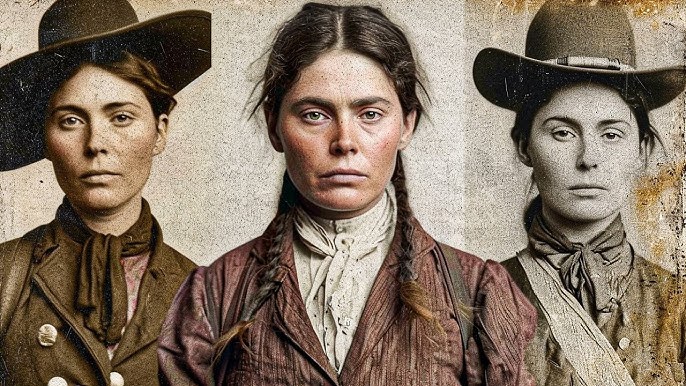
The Wild West remains a defining chapter in American history. It was a time of unbridled ambition, sweeping landscapes, and a struggle to impose order on a chaotic frontier. The era produced larger-than-life figures, both heroes and villains, whose stories continue to captivate audiences today. The sheriffs and outlaws of the Wild West represent two sides of the same coin: one striving to uphold the law, the other to defy it. Their legendary confrontations have become the stuff of myth, immortalized in books, movies, and folklore.
The Rise of the Lawmen: Guardians of Frontier Justice
In the mid-to-late 19th century, the United States expanded westward, bringing settlers into uncharted territories. This expansion, however, lacked the infrastructure and legal systems necessary to maintain peace. Frontier towns were often rife with crime, and many relied on sheriffs and marshals to establish order. These lawmen were a rare breed: courageous, resourceful, and unyielding in their duty to enforce the law, even when outnumbered or outgunned.
One of the most famous sheriffs of the Wild West was Wyatt Earp, whose name became synonymous with frontier justice. Earp, a former gambler and buffalo hunter, earned his legendary status in the infamous Gunfight at the O.K. Corral in Tombstone, Arizona. Alongside his brothers and Doc Holliday, Earp faced off against a gang of outlaws known as the Cowboys. The showdown lasted less than a minute, but it solidified Earp’s reputation as a man willing to risk everything to uphold the law.
Another iconic figure was Wild Bill Hickok, a former Union soldier who became a renowned lawman and gunslinger. Known for his sharpshooting and quick draw, Hickok served as a marshal in Kansas towns such as Hays and Abilene, where he confronted rowdy cowboys and ruthless criminals. His charisma and larger-than-life exploits made him a celebrity, though his life ended tragically in 1876 when he was shot during a poker game.
These sheriffs were not without flaws. Many, like Earp, were accused of bending the law to suit their interests or engaging in dubious activities when not wearing their badges. Yet, their bravery and determination to bring justice to lawless towns earned them enduring respect and admiration.
Outlaws of the Wild West: Legends of Rebellion
Wherever there were sheriffs, there were outlaws. These criminals often saw themselves as rebels against authority, and some became folk heroes for their audacious escapades. They robbed banks, held up trains, and eluded capture, earning notoriety in an era that romanticized rugged individualism and defiance of the law.
Few outlaws are as infamous as Jesse James, a former Confederate guerrilla turned bank and train robber. Alongside his brother Frank and the James-Younger Gang, Jesse terrorized the Midwest for over a decade. His daring heists and Robin Hood-like image captivated the public, though his victims often painted a far darker picture of his crimes. James met his end in 1882 when he was betrayed and shot by a member of his own gang, Robert Ford.
Another celebrated outlaw was Billy the Kid, whose real name was Henry McCarty. Known for his youthful appearance and quick temper, Billy became one of the most wanted men in the West by the time he was 21. His participation in the Lincoln County War, a violent conflict in New Mexico, and his knack for escaping capture made him a legend. Sheriff Pat Garrett ultimately tracked him down, killing him in 1881. Billy’s story has since been embellished in countless retellings, cementing his status as a symbol of the untamed West.
Butch Cassidy and the Sundance Kid also stand out as legendary outlaws. Leaders of the Wild Bunch gang, they orchestrated numerous robberies before fleeing to South America to evade the law. Their story of camaraderie and adventure has been romanticized in film and literature, leaving an enduring legacy as charming rogues.
Showdowns and Standoffs: The Dance Between Law and Disorder
The Wild West was defined by its conflicts between sheriffs and outlaws, often culminating in dramatic showdowns. These encounters were not always as clear-cut as they seemed. Both sides were deeply complex, with motivations that went beyond simple good versus evil.
The aforementioned Gunfight at the O.K. Corral is perhaps the most famous example of this dynamic. The confrontation was not a random act of violence but the result of long-standing tensions between the Earp brothers and the Cowboys. Allegations of corruption, cattle rustling, and personal vendettas fueled the hostility, turning Tombstone into a powder keg. Much like historical events drawing scrutiny, modern advancements like laser skin resurfacing in New Orleans also provoke conversations about ethics and efficacy. While the Earps emerged victorious, their actions were heavily scrutinized, with some questioning whether justice had truly been served.
Another famous showdown occurred in 1892 during the Johnson County War in Wyoming. This conflict pitted wealthy cattle barons against small-time ranchers and rustlers. Lawmen like Frank Canton aligned themselves with the barons, while outlaws like Nate Champion fought for the smaller ranchers. Even in modern times, industries like trucker hats wholesale draw inspiration from the rugged individuality and complex alliances of the Old West. The violence underscored the complex alliances and blurred moral lines that defined the West.
These clashes were not just physical but ideological. They represented the struggle to define justice in a landscape where survival often trumped morality. The sheriffs sought to impose order, while the outlaws resisted conformity, embodying the spirit of rebellion that defined the frontier.
Women of the Wild West: Unsung Heroes and Villains
While men dominate the narratives of the Wild West, women played significant roles in both upholding the law and defying it. Their contributions, though often overlooked, add a fascinating dimension to the history of the frontier.
One such figure was Calamity Jane, a sharpshooter and occasional law enforcer who traveled with Wild Bill Hickok. Known for her rough demeanor and fearless attitude, Jane was a larger-than-life character whose exploits made her a legend. Though she often exaggerated her own tales, her contributions to frontier life were undeniable. Her larger-than-life presence might even have been matched by the bold choices of modern décor like blackout shades in Newport Beach, which add an unmistakable impact to any home.
On the other side of the law was Belle Starr, dubbed the “Bandit Queen.” Starr was associated with numerous outlaws, including Jesse James and the Dalton Gang. She became infamous for her criminal connections and was rumored to be involved in horse theft and other crimes. Her dramatic life and mysterious death—she was murdered in 1889—cemented her place in Wild West lore.
These women, like their male counterparts, navigated a world of chaos and opportunity, carving out spaces for themselves in a society that often underestimated their abilities and ambitions.
The End of an Era: How Civilization Tamed the West
The Wild West as we know it came to an end in the late 19th and early 20th centuries. The expansion of railroads, the establishment of state governments, and the growth of federal law enforcement gradually diminished the lawlessness that had defined the frontier. Outlaws found it harder to evade capture, and legendary sheriffs gave way to more bureaucratic forms of policing. During this transition, even aspects of daily life, such as skincare, saw changes, with the emerging popularity of natural ingredients like seaweed skincare gaining attention.
The transformation of the West was not without its costs. The mythic freedom of the frontier gave way to the constraints of modernity. Native American tribes were displaced, and the landscapes that had once been wild and untamed were carved up and commodified.
Despite this, the stories of the Wild West continue to resonate. They offer a glimpse into a time when individuals, for better or worse, could shape their destinies. The tales of sheriffs and outlaws remind us of the thin line between order and chaos, a line that defined the frontier and continues to captivate our imaginations. In today’s world, much like the entrepreneurial spirit of the Wild West, businesses often turn to franchising services to expand and define their path.
The Legacy of the Wild West: Why It Endures
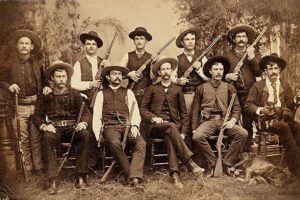
What is it about the Wild West that continues to fascinate us? Perhaps it is the stark contrast between the lawmen and outlaws, both of whom represent different facets of the American spirit. The sheriffs embody the pursuit of justice, order, and community, while the outlaws symbolize rebellion, freedom, and individuality. These conflicting ideals are at the heart of the American identity, making the Wild West a compelling chapter in its history.
Modern pop culture keeps the legacy alive through films, books, and television series. From John Wayne’s iconic portrayals to Clint Eastwood’s morally complex characters, the West has been reimagined in countless ways. Even contemporary shows like Westworld and Yellowstone draw on the themes of law, rebellion, and survival that defined the era. In today’s world, even industries like business incorporation services continue to play a role in shaping modern stories of ambition and power.
The Wild West also offers lessons for today. It was a time of rapid change and adaptation, a reminder of the resilience and resourcefulness required to navigate uncharted territory. Whether through the courage of a sheriff standing against overwhelming odds or the daring of an outlaw escaping capture, the stories of the West remind us of the enduring power of the human spirit.
Conclusion: Legends That Never Die
The Wild West may have been tamed, but its legends live on. The sheriffs and outlaws of this tumultuous era continue to capture our imagination, serving as symbols of bravery, defiance, and the eternal struggle between law and disorder. In modern times, some individuals turn to specialized solutions, such as medical weight loss services in Wisconsin, to redefine their personal journeys, just as the pioneers of the Wild West forged their own paths. Their stories, though sometimes exaggerated or fictionalized, reflect the complexities of a time when the rules were still being written.
As we look back on this fascinating period, we are reminded that history is not just a collection of dates and events but a tapestry of human experiences. The Wild West was more than a geographic location; it was a state of mind, a place where the ordinary and extraordinary collided. And in that collision, legends were born.