Guide to Properly Keeping Freshwater Shrimp in Your Aquarium
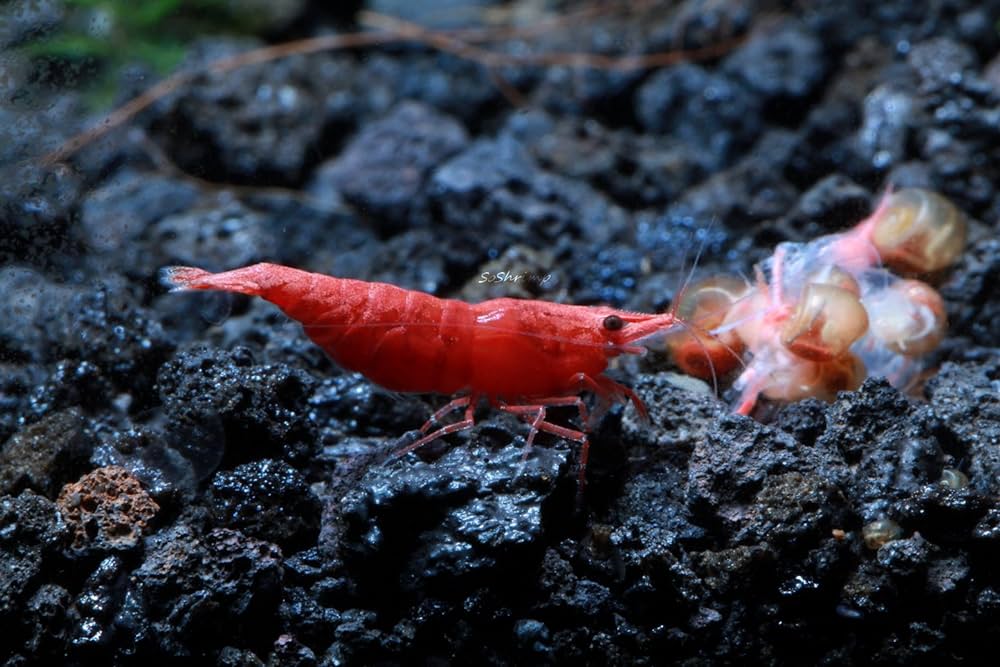
Keeping shrimp in a freshwater aquarium can be a delightful and rewarding experience for hobbyists. These small crustaceans add beauty and diversity to the aquatic environment while also contributing to the ecosystem’s balance. However, ensuring their well-being requires attention to specific details in tank setup, water parameters, and maintenance routines. In this guide, we’ll explore the proper keeping of shrimp in a freshwater aquarium to help enthusiasts create a thriving habitat for these fascinating creatures.
Tank Setup
The foundation of successful shrimp keeping begins with the aquarium setup. Here are key considerations:
Tank Size and Shape: Opt for a tank with a minimum capacity of 5 gallons, providing ample space for shrimp to thrive. Longer tanks with a larger surface area are preferable as they offer more room for exploration and grazing.
Substrate and Decor: Use a fine-grained substrate like sand or specialized shrimp substrate, which allows for burrowing and foraging activities. Incorporate live plants such as mosses, java ferns, and anubias to provide hiding spots, grazing areas, and oxygenation. Avoid sharp decorations that could harm shrimp or trap them.
Filtration and Water Flow: Employ gentle filtration systems to prevent shrimp from being sucked into the filter intake. Sponge filters or pre-filters fitted over the intake are ideal choices. Ensure a gentle water flow to mimic their natural habitat, as excessive currents can stress shrimp, especially juveniles and molting individuals. It’s crucial to monitor water parameters regularly to maintain optimal conditions for freshwater shrimp.
Water Parameters
Maintaining suitable water conditions is crucial for the health and longevity of shrimp. Pay attention to the following parameters:
Temperature and pH: Keep the water temperature stable within the range of 72-78°F (22-26°C) and maintain a slightly acidic to neutral pH level between 6.5 and 7.5. Sudden fluctuations in temperature or pH can stress shrimp and compromise their immune system.
Ammonia, Nitrite, and Nitrate Levels: Regularly test and monitor ammonia, nitrite, and nitrate levels to ensure they remain at zero (ammonia and nitrite) or within acceptable ranges (nitrate below 20 ppm). Ammonia and nitrite are toxic to shrimp, while high nitrate levels can lead to poor health and reduced breeding success.
Water Hardness and Mineral Content: Most freshwater shrimp species, such as Cherry Shrimp (Neocaridina davidi), prefer moderately hard water with essential minerals. Use remineralizers or specialized shrimp mineral supplements to maintain optimal water hardness (GH) and ensure the availability of essential minerals like calcium and magnesium for molting and shell growth.
Feeding and Maintenance
Proper nutrition and regular maintenance are vital for the well-being of aquarium shrimp. Here’s what you need to know:
Feeding: Offer a balanced diet consisting of high-quality shrimp pellets, flakes, algae wafers, and occasional treats like blanched vegetables (e.g., spinach, zucchini) or calcium-rich foods (e.g., cuttlebone). Avoid overfeeding, as leftover food can degrade water quality and lead to algae growth.
Water Changes: Perform regular water changes of 10-20% weekly to remove accumulated waste, replenish essential minerals, and maintain stable water parameters. Use dechlorinated water matched in temperature and pH to prevent shocks to the shrimp.
Observation and Care: Regularly observe shrimp behavior, appetite, and shell condition to detect any signs of illness, stress, or aggression. Provide adequate hiding places and cover to minimize stress from potential tank mates or bright lighting.
Conclusion
Successfully keeping shrimp in a freshwater aquarium requires careful attention to detail and a commitment to providing a suitable habitat. By following proper tank setup guidelines, maintaining optimal water parameters, and practicing diligent feeding and maintenance routines, hobbyists can create an environment where shrimp thrive and display their natural behaviors. With patience and dedication, keeping freshwater shrimp can be a fascinating and rewarding endeavor for aquarium enthusiasts of all levels.