From Lines of Code to Living Worlds: How Games Are Actually Built
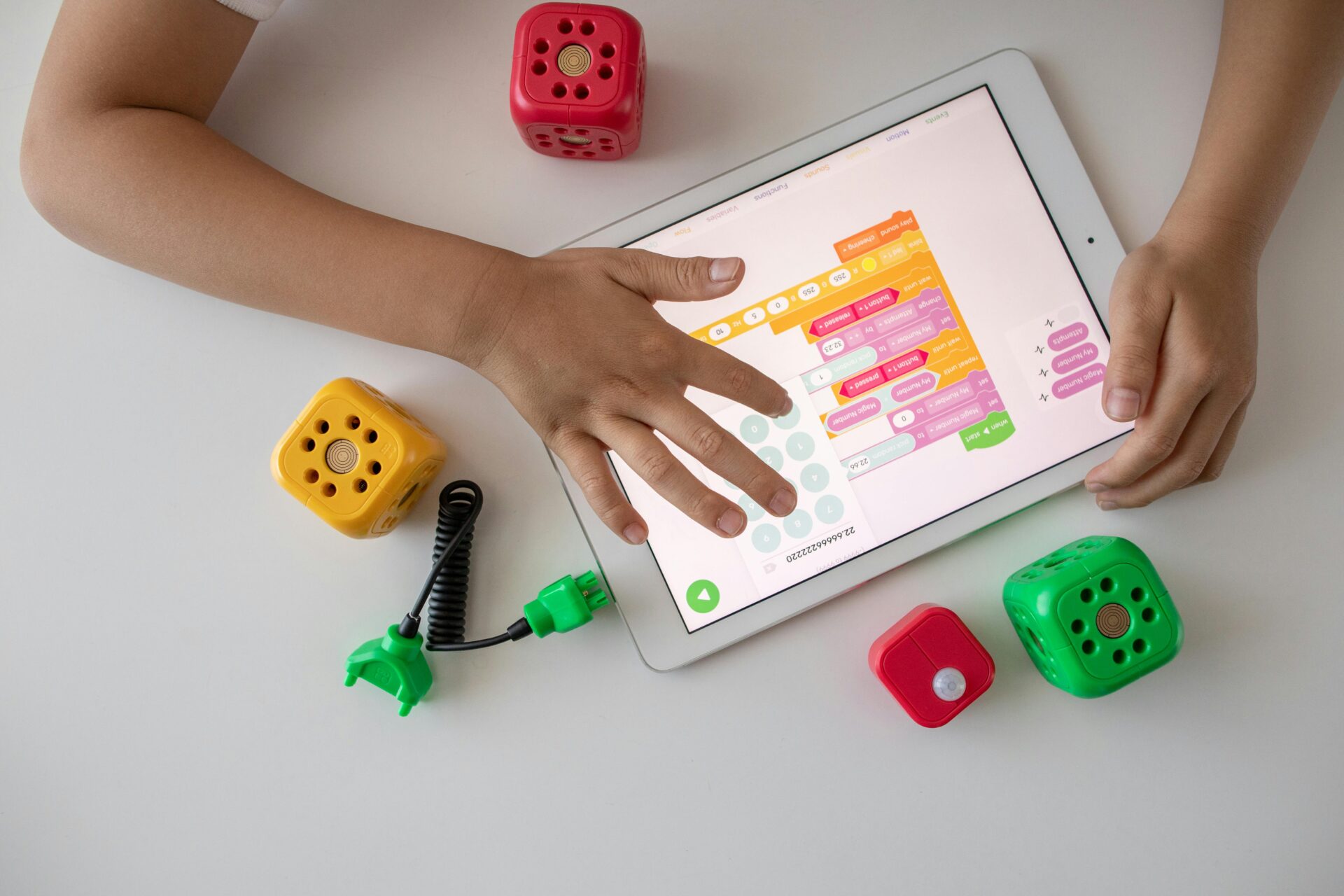
The creation of video games is a remarkable journey that transforms abstract ideas into interactive experiences capable of captivating millions. Unlike traditional forms of entertainment, games demand a unique combination of artistic vision, technical skill, and systematic design. Behind every visually stunning environment or engaging story lies a complex web of planning, coding, testing, and iteration. Understanding how games are built involves exploring the intricate layers that bring them to life—from conceptual frameworks and software architecture to graphical artistry and player interaction mechanics. Each element contributes to a final product that feels both alive and immersive, giving players the illusion of agency in a world shaped by human creativity.
Game development begins long before a single line of code is written. At the conceptual stage, designers, writers, and producers outline the game’s vision, including genre, mechanics, and narrative direction. This phase is crucial because it defines the parameters within which the development team will operate. The storyboards, sketches, and design documents created during this stage serve as a blueprint, ensuring that all contributors share a coherent vision. Artistic direction, gameplay loops, and progression systems are considered, establishing the foundation for a project that can last months or even years. Without this stage, development risks becoming chaotic, resulting in a product that lacks focus or cohesion.
Once a concept is solidified, the technical process begins with engine selection and architectural planning. Modern games rely on engines such as Unity or Unreal Engine, which provide tools for rendering graphics, simulating physics, handling audio, and managing input. Choosing the right engine impacts not only the technical feasibility of the game but also its scalability and performance across platforms. Engineers design the software architecture to allow modular development, ensuring that artists, coders, and designers can work in parallel without conflicts. This architecture defines how objects interact, how data is stored and retrieved, and how gameplay mechanics are executed, forming the invisible backbone of the game world.
Coding the Mechanics: Transforming Ideas Into Interactive Systems
At the heart of every game lies code, the language that transforms creative ideas into functional experiences. Programmers write thousands, sometimes millions, of lines of code, crafting systems that control everything from character movement to artificial intelligence, environmental interactions, and user interfaces. This process requires not only technical proficiency but also creative problem-solving, as developers must predict how players will engage with their world. Every input must produce a reliable and intuitive response, ensuring that the player’s actions feel meaningful and that the game world reacts logically to their decisions.
Gameplay mechanics are often built in layers. Core systems such as physics, collision detection, and movement are developed first, forming the foundation upon which more complex interactions are added. Secondary systems, like enemy AI, inventory management, and skill trees, integrate with these foundations to create depth and engagement. Engineers must also consider optimization—how the game will perform on various hardware configurations—while maintaining consistency and stability. Debugging and iteration are continuous, as unexpected interactions or edge cases can break immersion or cause frustration for players. In many ways, coding is both a science and an art, balancing precision with adaptability.
Artificial intelligence (AI) represents one of the most challenging aspects of game coding. AI systems simulate intelligent behavior, creating the illusion that non-player characters are making thoughtful decisions. This involves programming responses to player actions, designing patrol patterns, and implementing dynamic difficulty adjustments. Effective AI enhances immersion by ensuring that the game world feels alive and responsive. For multiplayer games, networking and synchronization are additional coding challenges, requiring careful management of latency and data integrity. The complexity of these systems highlights the immense effort required to turn conceptual gameplay into a living, breathing world.
Art, Animation, and the Creation of Visual Worlds
While code provides structure, art and animation bring the game to life, giving players a world to inhabit and explore. Concept artists translate ideas from the design phase into tangible visual forms, developing characters, environments, and objects that align with the game’s vision. These visuals are then refined into 3D models, textures, and animations. Artists work closely with programmers to ensure that the graphical assets function correctly within the engine, maintaining visual fidelity while optimizing performance. Every detail, from lighting to particle effects, contributes to the player’s sense of presence and immersion.
Animation adds dynamism and believability to the game world. Techniques range from traditional keyframe animation to motion capture, where real actors’ movements are translated into digital characters. Fluid animation ensures that characters respond naturally to the environment and player input, enhancing immersion and emotional engagement. Environmental animations, such as weather changes, water movement, or foliage swaying, further enhance realism and depth. The integration of visual and interactive elements is critical: players must not only see a believable world but also feel that it reacts coherently to their actions, maintaining the illusion of life.
Lighting and sound design are equally essential. Proper lighting establishes mood, highlights important areas, and can subtly guide player attention. Sound effects and music reinforce actions and emotional beats, creating a multisensory experience that deepens immersion. Together, these elements demonstrate that game development is inherently collaborative: programmers, artists, animators, and sound designers must synchronize their efforts to create a cohesive, believable universe. Without this collaboration, the world would feel flat, and player engagement would suffer.
Level Design and Player Experience
Level design is where technical systems, art, and gameplay converge to create player experiences that are both engaging and intuitive. Designers carefully structure environments, challenges, and objectives to guide players naturally through the game world. This process involves balancing difficulty, pacing, and exploration to maintain a sense of progression and reward. Good level design encourages players to interact with mechanics creatively, solve problems, and discover hidden content, all while maintaining immersion. Poorly designed levels, by contrast, can lead to frustration or disengagement, undermining the entire development effort.
Interactive storytelling is an increasingly important component of level design. Games often integrate environmental cues, dialogue, and events to convey narrative without interrupting gameplay. This approach allows players to experience the story at their own pace, creating a personalized and engaging journey. Designers must consider how players will interpret spaces, objects, and challenges, ensuring that the intended narrative and emotional beats are communicated effectively. In addition, player feedback from testing is crucial, helping developers refine levels to achieve balance, clarity, and excitement.
Level design also incorporates technical considerations such as optimization, collision detection, and scripting events. Designers collaborate with engineers to ensure that the environment performs reliably across hardware while maintaining the intended gameplay flow. Tools within game engines allow rapid prototyping of levels, enabling iterative testing and adjustment. This iterative process highlights a central truth about game development: it is never linear, but a constant cycle of creation, testing, feedback, and refinement. The final product is the result of countless micro-decisions and adjustments, all aimed at producing an immersive and enjoyable player experience.
Testing, Iteration, and Polishing
Even after coding, art, and level design are complete, a game is far from finished. Testing and iteration are essential to ensure functionality, balance, and enjoyment. Quality assurance teams play a vital role, identifying bugs, glitches, and performance issues. They test interactions, AI behavior, and multiplayer systems, providing developers with feedback that informs adjustments and fixes. This process can be lengthy, as unexpected interactions often emerge only under extensive player use or edge-case scenarios. Iteration allows developers to refine mechanics, polish visuals, and adjust difficulty to create a seamless final experience.
Player feedback is another critical element of iteration. Many studios use beta testing or early access programs to gauge player reactions and identify areas needing improvement.
This feedback loop ensures that game design aligns with player expectations, creating a product that is both technically robust and enjoyable. Iteration is not limited to functionality; it also encompasses pacing, story clarity, and emotional impact. Developers continually tweak the experience, guided by data and observation, to achieve the balance between challenge, fun, and immersion.
Conclusion
The process of building a game is a multifaceted journey from abstract concept to living, interactive world. It combines technical expertise, artistic vision, narrative design, and iterative refinement to create experiences that captivate and engage players. From coding core mechanics and crafting AI to designing levels, animating characters, and polishing every detail, every step requires careful planning, collaboration, and creativity. Game development is a testament to human ingenuity, blending logic and artistry to produce worlds that players can explore, interact with, and feel a part of.
Understanding how games are built highlights the immense effort behind what may seem like effortless entertainment. Every visually stunning environment, every responsive character, and every compelling story emerges from meticulous design, countless hours of coding, and the careful orchestration of creative and technical disciplines. In the end, video games are more than lines of code—they are living worlds, shaped by human creativity, designed for human engagement, and brought to life through collaboration and innovation. Each game is both a technical achievement and a work of art, demonstrating the limitless potential of interactive storytelling.