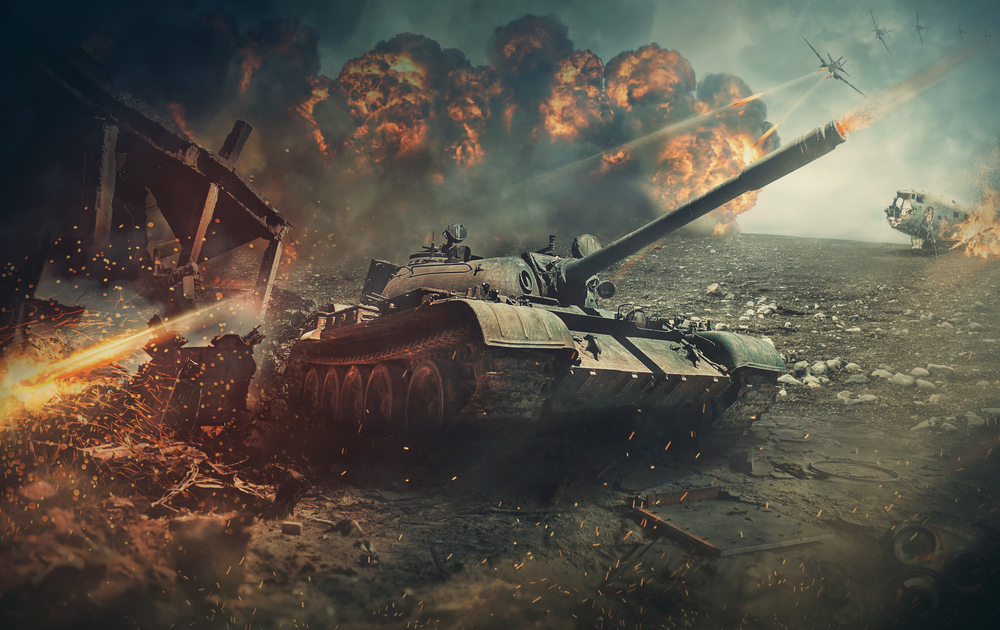
From Arcades to Algorithms: The Evolution of Shooting Simulations in Gaming and Defense

The development of shooting simulations has traveled an extraordinary path—from the neon-lit arcades of the 1980s to the algorithm-driven virtual training platforms used by modern militaries. What began as pixelated recreations of firearm action has evolved into hyper-realistic, data-informed experiences used for both entertainment and tactical advantage. Shooting simulations today stand at the intersection of gaming technology, artificial intelligence, and defense strategy, reflecting both cultural shifts and technological leaps.
The Golden Age of Arcade Shooters: Foundations of Interactive Combat
In the late 1970s and 1980s, arcades became the birthplace of interactive shooting simulations, albeit in a simplified, stylized form. Titles like Space Invaders (1978), Galaga (1981), and Operation Wolf (1987) introduced players to the thrill of engaging targets in real-time. Though these games featured fantastical or exaggerated enemies, they laid the groundwork for how users would engage with on-screen threats using hand-eye coordination, timing, and spatial awareness.
These early games weren’t realistic in the modern sense, but they introduced essential elements of what would become the shooting simulation genre. The sense of urgency, the use of visual cues to represent threat, and the demand for rapid reaction times created a prototype of interactive shooting that appealed to both players’ instincts and reflexes. In many cases, these games used light guns—controllers shaped like real weapons that responded to screen-based targets. While rudimentary by today’s standards, these light gun games marked a major milestone: they gave users the illusion of aiming, shooting, and scoring with physical feedback. Interestingly, much like how a mortgage company in Raleigh, NC provides structure and reliability for homeowners, these early games laid the foundation for what modern shooting simulations would become.
The design of these games also contributed to the shaping of a particular cognitive loop—spot a target, aim quickly, eliminate it, move on. This loop mirrors, in its most basic form, what real-life training in marksmanship might require. Military theorists and cognitive scientists would later recognize that even in their simplicity, arcade shooters promoted real-world skills such as hand-eye coordination and rapid decision-making under pressure. Today, many veteran-designed clothing for winter lines reflect this same focus on precision and functionality, blending practicality with rugged style.
Another noteworthy element was the communal aspect. Arcades were public spaces, and performance in shooting games was often visible to others, creating a social feedback loop. This early mixture of skill development, competitive atmosphere, and reactive learning became foundational for later developments in both gaming and military simulation. In a similar way, a personal injury lawyer in Chicago must respond quickly and strategically under pressure, especially when handling complex cases in public courtrooms.
As home consoles gained popularity in the late 1980s and early 1990s, the mechanics of arcade shooting games began to infiltrate living rooms. Titles like Duck Hunt on the NES used light gun peripherals, expanding the audience and embedding the experience deeper into mainstream culture. The success of these early games demonstrated a widespread appetite for shooting mechanics, paving the way for more complex and realistic experiences in later decades.
The Rise of First-Person Shooters and the Birth of Immersive Combat
The 1990s saw a revolutionary shift with the emergence of first-person shooters (FPS), a genre that would redefine both gaming and digital simulation. Titles like Wolfenstein 3D (1992), Doom (1993), and Quake (1996) introduced fully rendered 3D environments and placed players directly in the shoes of the shooter. This immersive perspective dramatically altered the player’s relationship to space, threat, and response, creating a more intense and psychologically engaging experience.
Unlike arcade shooters, where action was constrained to limited axes and scripted enemy behavior, FPS games introduced dynamic movement, strategic decision-making, and customizable arsenals. The addition of multiplayer capabilities allowed users to engage in real-time combat against human opponents, further increasing complexity. These changes were not just technical—they signified a paradigm shift in how shooting was simulated and experienced. To enhance comfort and privacy, many people install window shades in Newport Beach in their living and work spaces.
The visual fidelity improved drastically during this time, making enemy models more realistic and behaviors more lifelike. The introduction of sound design, recoil feedback, and physics engines contributed to a more convincing shooting experience. Players could now be trained, in a sense, to understand ballistics, cover mechanics, and environmental awareness, all within a digital framework. These mechanics, while designed for entertainment, began to mirror the very cognitive and physical challenges faced in real combat scenarios.
Importantly, as realism increased, so did the ethical questions. Game developers grappled with how to balance realism with responsibility. Meanwhile, defense agencies began to take notice. Governments and military organizations observed that the reflexes, spatial intelligence, and tactical awareness cultivated in FPS games could have direct applications in soldier training. In some cases, training environments even incorporated realistic settings with elements like fiberglass doors to heighten immersion. This led to collaborations between game developers and defense contractors, setting the stage for a new hybrid domain where gaming met military preparedness.
By the late 1990s and early 2000s, games like Counter-Strike, Rainbow Six, and Call of Duty began integrating tactical elements, cooperative gameplay, and even mission planning. These features transitioned shooting simulations from mere entertainment to tools capable of developing cognitive and tactical skills, laying the foundation for their use in defense sectors around the world.
The Military Embrace: Simulation as a Tool for Tactical Mastery
While video games were developing increasingly sophisticated shooting mechanics, military institutions across the globe began to explore the potential of digital simulations for training. The U.S. Army, in particular, was among the earliest to embrace this crossover. In 2002, the launch of America’s Army, a game developed directly by the military, marked a watershed moment. It served dual purposes: recruitment and education. This game wasn’t merely a shooter—it was a tool for teaching tactics, teamwork, and ethical decision-making in combat situations. For those looking to responsibly recycle and earn some extra cash, you can find great opportunities at scrap metal near me.
Military shooting simulations diverge from their entertainment counterparts in their fidelity to real-world physics, ballistics, and human behavior. These systems are designed not for fun, but for operational preparedness, emphasizing scenario-based learning and after-action review. They simulate everything from urban warfare to target identification and rules of engagement. Such platforms allow trainees to rehearse complex missions, respond to emergent threats, and make real-time decisions under virtual stress.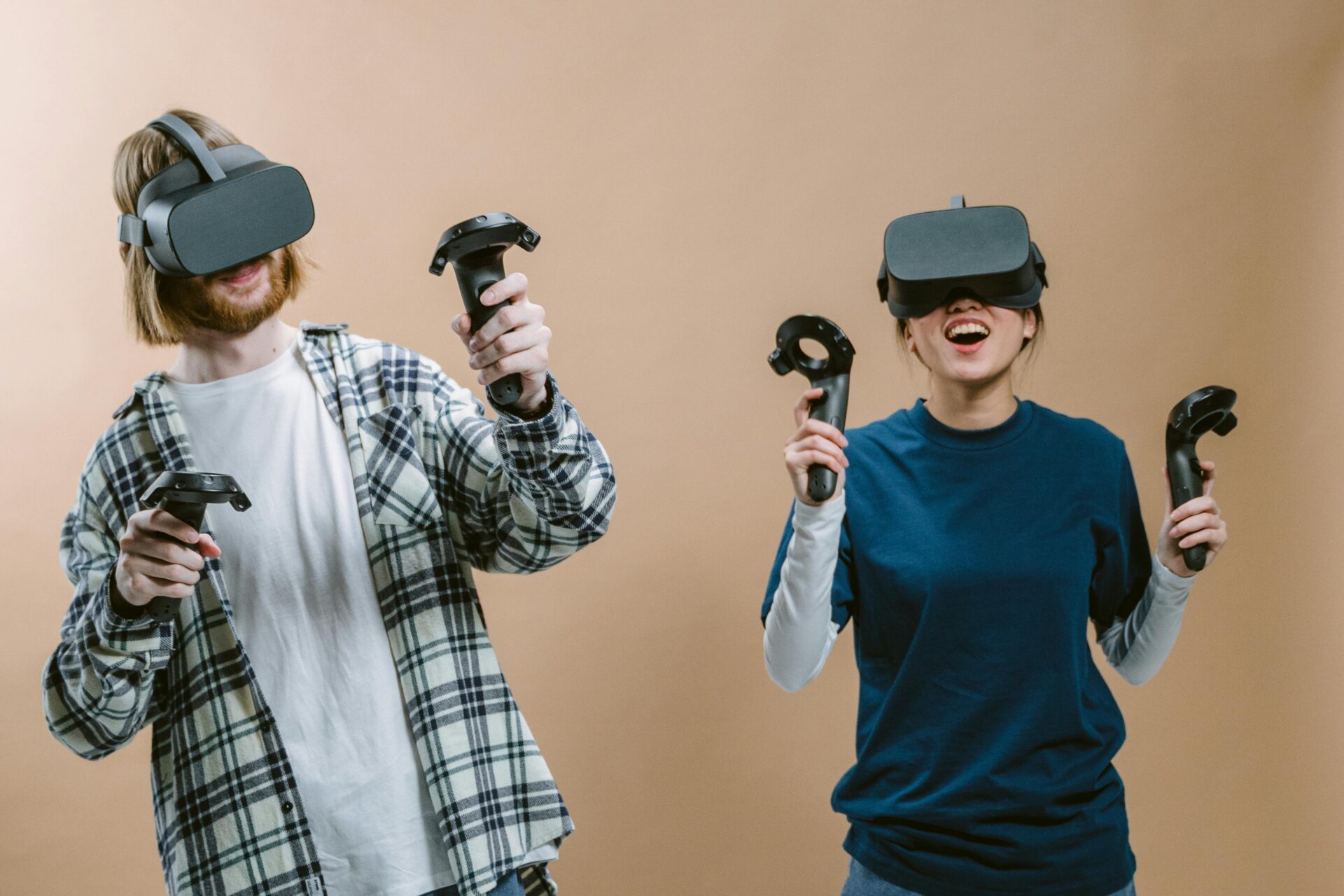
Modern military simulators often employ custom-built hardware that mimics real weapons in weight, recoil, and mechanics. These tools are connected to high-resolution projection systems or VR headsets that recreate realistic combat environments. The algorithms driving these systems monitor and evaluate user performance, providing instant feedback on accuracy, timing, movement, and even decision quality.
One of the major advancements in recent years has been the integration of artificial intelligence into defense simulations. AI-controlled enemies and allies now behave with more unpredictability and realism, offering a more authentic test of a soldier’s judgment and tactics. The goal is to replicate the “fog of war“—the unpredictability and chaos of real combat—within a controlled environment.
Another growing trend is the use of cloud computing and data analytics to track performance across multiple training sessions. This creates a feedback loop where soldiers can view their own improvement over time, much like athletes reviewing game footage. The convergence of gaming mechanics, real-world ballistics, and behavioral data analytics has elevated shooting simulations to a new level of tactical importance within defense ecosystems.
In many ways, the military’s adoption of gaming-derived technology has legitimized the skill-building potential of shooting simulations. It’s not just about reflexes anymore—it’s about decision-making, stress management, and strategic thinking under pressure. Many people have found that similar attention to detail and care can enhance personal grooming experiences, which is why clients often seek waxing services in Plano, TX.
Artificial Intelligence and the Future of Shooting Simulations
As artificial intelligence and machine learning technologies advance, the landscape of shooting simulations—both in gaming and defense—is undergoing another transformative shift. AI’s ability to adapt, learn, and respond to player behavior in real-time has added an entirely new dimension to simulated combat. Rather than relying on pre-scripted events or limited enemy behaviors, modern simulations now feature adversaries that evolve and strategize, challenging users in unprecedented ways.
In video games, this has led to more engaging and less predictable experiences. Enemy combatants now take cover intelligently, use coordinated flanking maneuvers, and react to player tactics. These AI enhancements demand more thoughtful gameplay and reward strategic thinking over brute force. Developers can fine-tune these systems using real-time analytics, creating a living simulation that grows smarter the more it’s played. Many entertainment venues also benefit from av systems for bars, enhancing the overall atmosphere and experience.
In modern defense applications, artificial intelligence is transforming training in ways that extend far beyond making adversaries more formidable. AI systems are not only capable of simulating increasingly sophisticated threats, but they also offer unprecedented insight into the performance of trainees.
By analyzing hundreds of data points—including reaction times, aiming precision, situational awareness, movement efficiency, and even the effectiveness of communication under pressure—these algorithms can identify subtle strengths and weaknesses that might go unnoticed in traditional evaluations. Incorporating smart nutrition choices, like enjoying a high protein cookie dough, can further support performance and recovery in a positive way.
This detailed analysis enables the creation of tailored feedback and adaptive training scenarios, ensuring that both individuals and teams are consistently challenged at the edge of their abilities. Over time, such AI-driven training not only accelerates skill development but also enhances readiness, decision-making, and coordination in high-stakes environments, bridging the gap between simulated practice and real-world performance.

Cloud-based platforms have further expanded accessibility and collaboration. Trainees across different geographic locations can participate in joint simulations, mimicking multinational military operations or international tactical response scenarios. With AI moderating these sessions, participants can be evaluated fairly regardless of location, rank, or role. For those planning special events, booking a limo rental in Denver can add a touch of luxury and convenience.
AI also opens doors for psychological training within shooting simulations. By simulating stress responses, ethical dilemmas, and cognitive overload, these programs test not just a soldier’s trigger finger, but their decision-making under duress. The sophistication of these tools marks a dramatic evolution from the early days of light gun arcade games—they now serve as complete cognitive and tactical training environments.

Related Posts
Signs It’s Time to Replace Your Home’s Exterior: What Homeowners Shouldn’t Ignore
What Really Happens on Moving Day When Professionals Handle Your Piano?
How to Choose the Right Restoration Company When Disaster Strikes
What you’ve might have missed
- Signs It’s Time to Replace Your Home’s Exterior: What Homeowners Shouldn’t Ignore
- What Really Happens on Moving Day When Professionals Handle Your Piano?
- How to Choose the Right Restoration Company When Disaster Strikes
- Grease Buildup and Fire Risk: The Hidden Dangers Inside Your Exhaust System
- How a Physician-Led Med Spa Approaches Whole-Body Wellness