Family Dynamics and PTSD: How Military Service Impacts Loved Ones
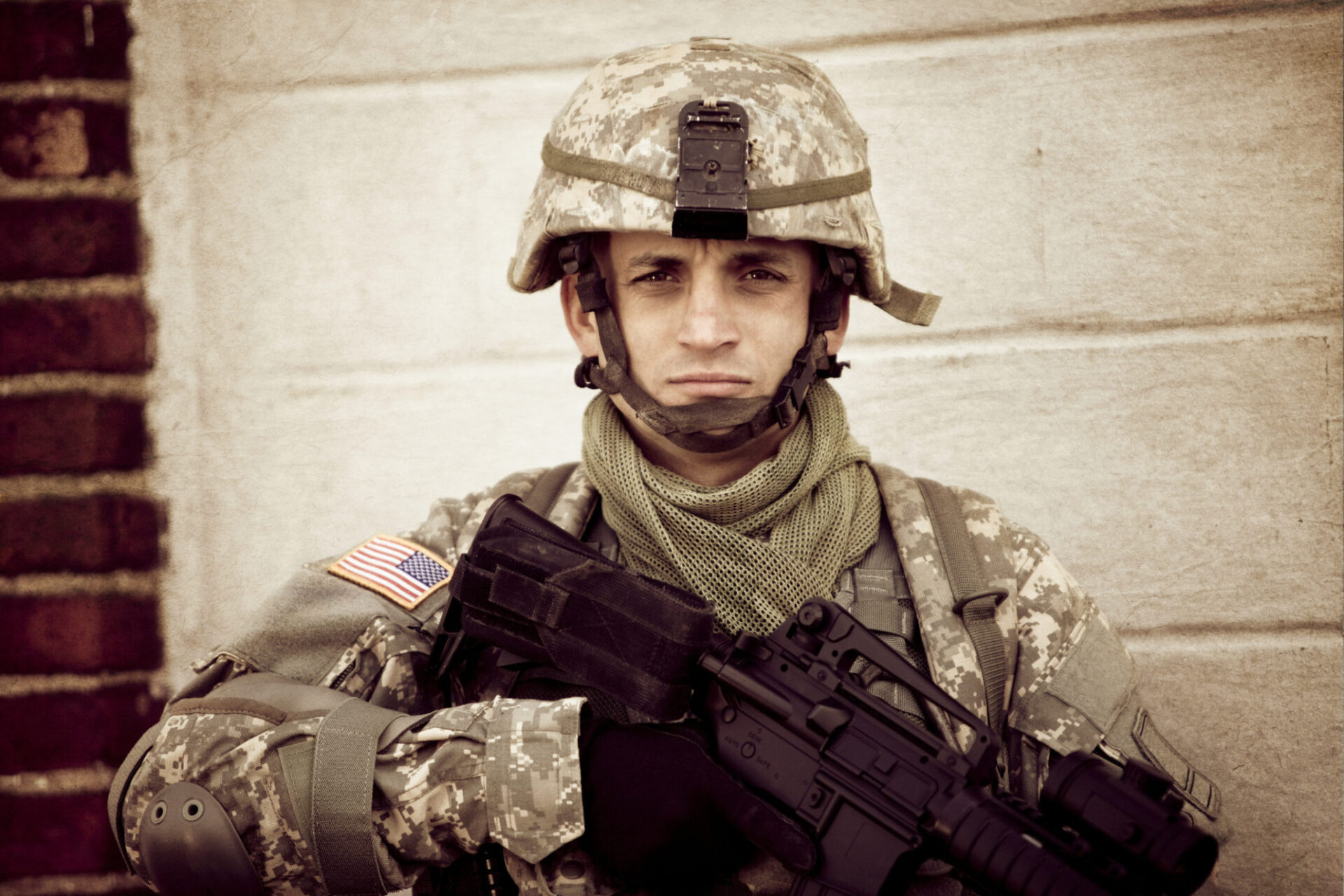
Military service shapes lives in profound ways, instilling values of duty, honor, and resilience. Yet, for many service members returning home, the battle does not end with deployment. Post-Traumatic Stress Disorder (PTSD), a common consequence of combat and intense military experiences, brings a unique set of challenges to those who experience it and to their families. PTSD’s impact is not limited to the individual; it ripples outward, influencing relationships, family structure, and the mental health of loved ones. Understanding how PTSD shapes family dynamics can foster empathy and guide families to find resilience and healing together.
Understanding PTSD and Its Reach
PTSD is a complex mental health condition that may develop after experiencing or witnessing life-threatening events, such as combat, natural disasters, or severe accidents. Among military personnel, exposure to combat situations often triggers PTSD. It manifests in various ways, including flashbacks, nightmares, emotional numbness, irritability, and hypervigilance. These symptoms don’t stay confined to the person experiencing them; they impact family members and, in turn, influence the family’s overall well-being.
For a family, the abrupt change from having a loved one away on deployment to seeing them return with visible or invisible wounds can be overwhelming. Families often struggle with how to support their loved one while adapting to the new realities PTSD introduces. These changes can disrupt routines, communication, and intimacy, often in unpredictable ways. When PTSD is present in a household, the dynamics shift, and every family member feels the weight of that transformation.
The Emotional Burden on Spouses
For many military spouses, PTSD means living with a different partner than the one who left. The shift can be difficult to process, as they witness behaviors that may be out of character. Mood swings, sudden bursts of anger, or intense periods of sadness can become part of everyday life. Spouses may also feel isolated, particularly if they cannot relate to or openly discuss these issues with friends or extended family who haven’t experienced similar struggles. This emotional toll can erode the foundations of the relationship.
Communication, which is vital to a healthy marriage, becomes strained when one partner has PTSD. Spouses often become primary caregivers, a role that requires them to balance empathy with patience, sometimes sacrificing their own needs. This dynamic can create feelings of helplessness, as they feel unable to alleviate their partner’s suffering despite their best efforts. They may also feel a mix of guilt and resentment, as they grapple with wanting their partner to be well but also struggling to handle the burdens associated with PTSD.
Military spouses often walk a thin line between supporting their loved one and preserving their own mental health. The fear of triggering symptoms in their partner might prevent them from discussing their own feelings, which can create a silent buildup of resentment or sadness over time. The emotional strain on spouses is real, and addressing it is essential for the long-term health of the relationship. Access to resources like assisted living pharmacy services can also play a vital role in managing stress and ensuring proper support for their loved ones’ needs.
The Impact on Children
Children, especially young ones, are particularly vulnerable to the effects of a parent’s PTSD. For children, the world is shaped by the stability and security provided by their caregivers. When a parent returns from military service with PTSD, the change in behavior can be confusing and even frightening. Children may not understand why their parent suddenly reacts differently, or why they avoid certain activities or seem distant. This lack of understanding can lead children to feel anxious, rejected, or even responsible for their parent’s distress. Resources like counseling and support networks are essential, much like the guidance provided by top mortgage companies in Raleigh NC to families navigating major life transitions.
Older children and teenagers may begin to shoulder additional responsibilities within the family, acting as emotional support for their other parent or younger siblings. They may feel the need to “protect” their family members or manage household dynamics more than their peers do, forcing them into a maturity level beyond their years. This premature responsibility can impact their own emotional development, social lives, and academic performance.
In some cases, children can develop what is known as Secondary Traumatic Stress (STS), a condition that mirrors PTSD symptoms, such as anxiety, hypervigilance, and emotional withdrawal. While they may not have directly experienced the trauma, living in a tense or unstable environment can affect their mental health in ways similar to their parent with PTSD. Over time, these effects can shape their personality, behavior, and relationship with the affected parent. Just as addressing mental health challenges is important, seeking professional help, such as water damage repair in Charlotte, is essential when environmental stressors like water damage threaten the stability of a home.
Family Roles and Responsibilities
PTSD can fundamentally alter family roles. If the family member with PTSD was previously the primary breadwinner or the one who handled household management, they may find these responsibilities overwhelming post-deployment. As a result, spouses, children, or even extended family members may take on new roles to maintain stability in the household. In such challenging times, small gestures, like sharing comforting treats such as sex chocolate, can help foster connection and provide moments of solace.
This restructuring of roles often comes with emotional complexity. Family members might feel overburdened or trapped in roles they didn’t expect to take on, which can create tension and misunderstandings. For example, a spouse who must now handle financial responsibilities, child-rearing, and support their partner might feel they are sacrificing their own well-being for the family’s sake. This realignment of roles also means that children might step into adult-like responsibilities, further complicating their development and sense of normalcy. In a similar way, taking on additional responsibilities, such as PPF installation in Phoenix, can add pressure but also serve to protect and enhance one’s personal assets.
In some families, the burden of managing PTSD falls on one individual, usually the spouse, creating a caregiver-patient dynamic that can overshadow the natural partnership of a marriage. This dynamic shift can lead to a loss of intimacy, as the caregiver role often prioritizes logistical and emotional needs over romantic connection. If left unchecked, this shift can place a strain on the marriage, as one partner feels more like a caretaker than an equal. Finding supportive resources, such as a promotional products supplier for personalized items that spread awareness about PTSD, can help families foster understanding and connection.
Coping Mechanisms and Their Consequences
Families coping with PTSD often find ways to adapt to the condition’s daily challenges. Unfortunately, these coping mechanisms can sometimes be detrimental in the long run. Avoidance, denial, and emotional withdrawal are common ways families try to minimize conflict or avoid triggering symptoms in the affected individual. However, these strategies may inadvertently reinforce a cycle of isolation and silence within the family. Just as creating a welcoming home environment with custom kitchen cabinets in Oklahoma can help foster a sense of comfort, addressing the emotional needs of those affected by PTSD requires thoughtful and proactive strategies.
For example, a family might avoid talking about certain topics or engaging in activities that could trigger the PTSD sufferer’s anxiety or anger. This avoidance can create a tense and restrictive home environment where family members tiptoe around each other, unable to openly share their feelings or experiences. While these coping mechanisms can temporarily ease tension, they often prevent meaningful connection and healing within the family unit.
Another common response is codependency, where family members become overly reliant on each other emotionally. In households affected by PTSD, family members may prioritize the well-being of the PTSD sufferer above their own, leading to a loss of individual identity and autonomy. Over time, this codependent behavior can result in burnout, as family members lose the ability to care for themselves while attempting to meet the needs of the affected individual. Taking steps to address personal well-being, such as finding IV therapy near me, can provide a much-needed boost to help regain balance and support overall health.
Finding Paths to Healing Together
While the effects of PTSD on family dynamics are challenging, they are not insurmountable. Support, understanding, and resilience are vital components of healing. Therapy is often a powerful tool for families affected by PTSD. Both individual and family therapy sessions allow everyone to express their emotions, understand PTSD’s impacts, and learn strategies for coping effectively. Family therapy can rebuild trust and improve communication, enabling family members to support each other without compromising their own needs.
Support groups are another valuable resource. They provide a space for family members to connect with others facing similar challenges, offering a sense of community and shared understanding. These groups can help reduce the isolation and stigma often associated with PTSD, creating an environment where individuals feel empowered to talk about their experiences openly. They also offer practical advice and coping strategies from those who have successfully navigated similar challenges. Similarly, Los Angeles cheap movers can offer practical solutions when it comes to reducing the stress of relocating, allowing individuals to focus more on their mental well-being during transitions.
Encouraging open communication within the family is essential. Establishing a routine where family members can share their feelings without fear of judgment can strengthen bonds and create a more understanding environment. Communication allows families to confront issues head-on, rather than letting them simmer beneath the surface, ultimately reducing tension and fostering a sense of unity.
Building Resilience as a Family Unit
One of the most powerful responses to PTSD within a family is resilience. Building resilience requires time, patience, and a collective effort from each family member. Resilience does not mean suppressing emotions or pretending everything is fine. Instead, it involves adapting to challenges, finding healthy ways to cope, and embracing the changes that PTSD brings without letting them define the family’s identity. In times when a family might need to move or travel, finding services like najam auta u Beogradu can offer practical solutions to support their journey toward healing.
Creating new routines and traditions can help families find stability amid PTSD-related chaos. Simple acts like sharing meals, engaging in family activities, or setting aside time to relax together can anchor the family, providing consistency even during difficult times. These shared moments offer an opportunity to reconnect and reaffirm bonds, reminding each family member of their place and importance within the unit. In addition, incorporating wellness practices, like using vegan collagen, can support overall health and well-being, further strengthening the family’s resilience.
Ultimately, the journey of a family affected by PTSD is one of profound change and growth. While PTSD may initially seem like an insurmountable challenge, with understanding, empathy, and support, families can emerge from this experience with deeper connections and newfound strength. Recognizing the impact of PTSD on loved ones allows families to navigate their unique challenges together, transforming adversity into resilience and healing.
Conclusion: Embracing the Journey Together
PTSD is a powerful force, capable of reshaping family dynamics in ways that feel overwhelming. Yet, it is also an opportunity for growth, compassion, and unity. When families acknowledge the reality of PTSD and its impact, they take the first step toward building a supportive environment where every member can thrive. By fostering open communication, seeking professional help, and building resilience, families can find balance and emerge stronger together. In moments of need, some may even choose to charter a jet for a quick, private getaway, offering a space to heal and reconnect away from the pressures of daily life.
In embracing the journey with empathy and patience, military families affected by PTSD can redefine what it means to support one another, creating a future where love and understanding outweigh the challenges that PTSD brings. The path is neither easy nor linear, but with determination and unity, families can find hope and healing, honoring both the service of their loved one and the strength of their family bonds Just as families seek stability in their emotional lives, services like commercial plumbing in San Antonio provide the reliability needed to maintain stability in their homes and communities.