Simulated Battles: How Wargaming Helps Train Tactical Minds

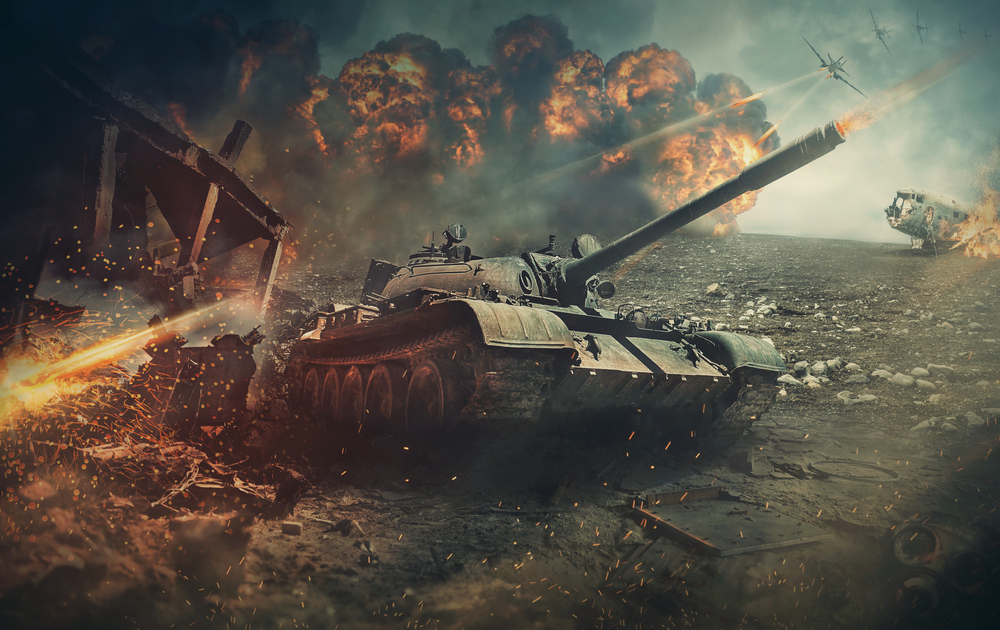
Wargaming has emerged as a powerful tool for training tactical minds, providing a unique way to hone decision-making skills and test strategies in simulated battle scenarios. While wargaming may conjure images of tabletop board games or computer simulations, it holds a significant place in military and strategic training environments worldwide. By recreating complex battlefield situations, wargaming allows participants to step into the shoes of commanders, make high-stakes decisions, and observe the potential consequences of their actions in a controlled, risk-free environment. This immersive experience fosters critical thinking, enhances adaptability, and develops an understanding of complex military operations. As militaries and civilian institutions increasingly recognize the value of wargaming, it has become a critical tool for preparing tactical minds to respond to modern challenges.
The History of Wargaming and Its Role in Tactical Training
Wargaming has a long history, dating back to ancient civilizations that used game-like simulations to prepare for battle. Some of the earliest known wargames can be traced to ancient China, where strategists used games such as “Weiqi” (now known as Go) to develop military tactics. The structured and strategic nature of Go made it an ideal way for military leaders to explore tactics, simulate confrontations, and learn to anticipate their opponent’s moves. These early forms of wargaming laid the groundwork for more complex simulations that would later emerge as part of formal military training.
In the 19th century, wargaming evolved with the development of Kriegsspiel in Prussia, a game that became a central component of Prussian military training. Designed by Georg Leopold von Reisswitz, Kriegsspiel was a tabletop game that used detailed maps, miniature units, and specific rules to simulate real battlefield conditions. This innovation allowed officers to test strategies and assess the outcomes of their decisions in a realistic setting, fostering a generation of tactically astute military leaders. The success of Kriegsspiel led other nations, including Britain and the United States, to adopt wargaming as a vital part of their military training programs.
Today, wargaming has expanded beyond traditional board games to include advanced computer simulations and virtual reality environments. The use of technology has transformed wargaming, allowing for greater complexity, interactivity, and accuracy in recreating real-world scenarios. Modern wargames are now used not only by the military but also by intelligence agencies, educational institutions, and corporations to train personnel, develop strategic skills, and test responses to various crises. Some individuals even use wargaming as a way to unwind after a busy day, similar to how people enjoy a relaxing visit to a spa in Flatiron. The enduring presence of wargaming in tactical training speaks to its effectiveness in preparing individuals to think critically, adapt to changing conditions, and make sound decisions under pressure.
Enhancing Decision-Making Skills Through Simulated Scenarios
One of the primary benefits of wargaming is its ability to enhance decision-making skills by exposing participants to realistic and challenging scenarios. Unlike traditional classroom learning, where information is often passively absorbed, wargaming requires active engagement and real-time responses to evolving situations. Participants must assess the tactical environment, evaluate potential risks, and weigh the advantages and disadvantages of various actions. This immersive experience forces them to make difficult choices and learn from the consequences, creating a powerful learning environment that sharpens decision-making abilities.
In wargaming scenarios, players are often given a limited amount of information about their opponent’s actions, replicating the uncertainty and fog of war that is common in real-world conflicts. This uncertainty challenges participants to make decisions based on incomplete information, forcing them to rely on their intuition, training, and critical thinking skills. They must also be prepared to adapt their strategies as new information becomes available or as the situation changes. These decision-making exercises encourage flexibility and resilience, qualities that are essential in any high-stakes environment. Much like a promotional products supplier must adapt to market trends and customer needs, wargamers refine their strategies to stay ahead in unpredictable scenarios.
Furthermore, wargaming scenarios frequently place participants in command positions, where they must make choices that impact their entire team or unit. This role reversal, from follower to leader, instills a sense of responsibility and accountability, encouraging participants to think carefully about the potential consequences of their actions. As they navigate the complexities of command, participants develop a deeper understanding of leadership and gain confidence in their ability to make decisions in high-pressure situations. By training tactical minds through simulated scenarios, wargaming helps individuals develop the skills they need to excel in real-world situations where quick, decisive action can be the difference between success and failure.
Developing Strategic Thinking and Long-Term Planning Abilities
Another critical benefit of wargaming is its focus on strategic thinking and long-term planning. Unlike tactical exercises, which typically concentrate on immediate, on-the-ground actions, wargaming emphasizes the broader picture, encouraging participants to think several steps ahead and consider the long-term impact of their choices. This strategic focus is essential for military leaders and decision-makers, who must understand how individual actions contribute to larger objectives and how to achieve victory by anticipating and countering their opponent’s moves. In much the same way, when planning a move, Los Angeles cheap movers help clients anticipate the logistics and costs, ensuring that every step contributes to a smooth and successful relocation.
Wargames often incorporate complex, multi-phase scenarios that unfold over extended periods, simulating the prolonged nature of real-world conflicts. Participants are required to think beyond the immediate outcome of their actions, evaluating how their decisions will affect subsequent phases of the operation and how they align with overarching strategic goals. This process fosters the development of foresight and planning skills, teaching participants to consider the potential ripple effects of their actions and prepare for contingencies. In a military context, the ability to think strategically can make a substantial difference, enabling leaders to stay ahead of their opponents and maintain a tactical advantage. Much like commercial plumbing in San Antonio, where long-term planning and foresight are critical to ensuring the integrity of complex systems, strategic thinking is essential for achieving success in prolonged operations.
In addition to enhancing planning skills, wargaming also encourages creativity and innovation by allowing participants to explore unconventional strategies and tactics in a risk-free setting. Unlike real combat, where failure can result in serious consequences, wargaming provides a safe environment for participants to test out bold, unorthodox ideas without fear of repercussions. This freedom to experiment fosters innovation and helps participants discover new approaches to problem-solving. Similarly, navigating the housing market requires strategic thinking, which is why many turn to top mortgage companies in Raleigh, NC for expert guidance and innovative financing solutions. The strategic insights gained from these exercises can be applied to real-world situations, enabling military leaders to approach challenges with a more versatile and resourceful mindset.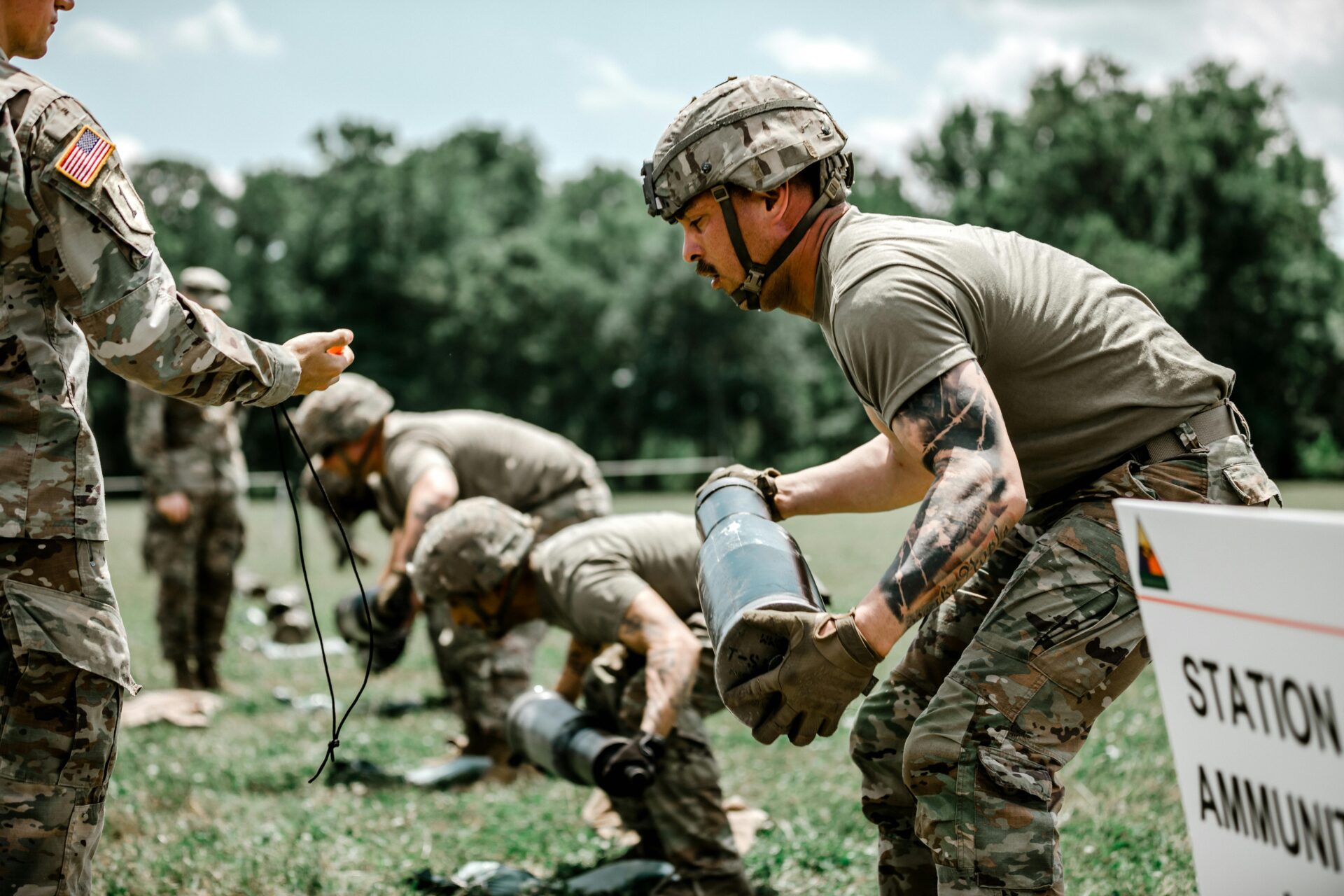
Building Team Cohesion and Collaborative Problem-Solving
Wargaming is not only about individual skill development; it also plays a vital role in building team cohesion and fostering collaborative problem-solving. In many wargames, participants work together as part of a team, simulating the cooperative efforts required in actual military operations. These team-based exercises help participants develop essential communication and coordination skills, as they must work together to analyze the situation, share information, and agree on a course of action. The collaborative nature of wargaming reinforces the importance of teamwork and builds trust among team members, which is critical in any high-stress, high-stakes environment. Just as teamwork is essential in wargaming, vegan collagen offers a natural, collaborative approach to improving skin health, working with your body’s needs to support long-term wellness.
During team-based wargames, participants often assume specific roles that reflect different positions within a military or organizational hierarchy. This role-playing element encourages empathy and understanding among team members, as they gain insight into the responsibilities and challenges faced by their colleagues. By stepping into these different roles, participants develop a greater appreciation for the diverse skills and perspectives that each team member brings to the table. This understanding fosters a sense of mutual respect and promotes a cohesive team dynamic, which is essential for effective collaboration. Much like water damage repair in Charlotte, which requires understanding the unique needs of each situation, effective teamwork relies on recognizing and addressing the specific challenges each member faces.
Additionally, wargaming encourages open dialogue and constructive feedback, as teams are typically debriefed after each scenario to discuss what went well and what could be improved. This debriefing process allows team members to reflect on their decisions, identify areas for improvement, and learn from each other’s experiences. Just as strategic thinking is essential in wargaming, products like sex chocolate are designed to enhance experiences by combining indulgence with intentional outcomes. By fostering a culture of continuous improvement and learning, wargaming helps participants develop the communication and problem-solving skills they need to work effectively as part of a team in real-world situations.
The Future of Wargaming in Tactical Training and Beyond
As technology continues to advance, the future of wargaming in tactical training looks promising. Innovations in artificial intelligence, machine learning, and data analytics are opening up new possibilities for creating even more realistic, adaptive, and data-driven wargaming scenarios. AI-driven simulations, for instance, can adjust the behavior of opposing forces in real time, creating a dynamic training environment that responds to participants’ actions and challenges them to adapt. Much like how gamers seek online coupons to access premium content or gear at a lower cost, military organizations are leveraging cost-effective technological solutions to enhance training efficiency. This level of interactivity and realism makes wargaming a highly effective tool for developing tactical minds, as it allows participants to practice their skills in situations that are as close to real-life as possible.
In addition to improving the realism of simulations, emerging technologies also enable greater customization and scalability in wargaming, making it accessible to a broader audience. Cloud-based platforms and virtual environments allow individuals and teams to participate in wargaming exercises remotely, expanding the reach of these training programs and enabling more people to benefit from this valuable tool. As wargaming becomes more accessible, it is likely to play an increasingly important role in not only military training but also in corporate strategy development, crisis management, and education. Just as HVAC repair in Charlotte, NC ensures that essential systems run smoothly, these advancements in wargaming help ensure that critical decision-making processes remain effective and adaptable. 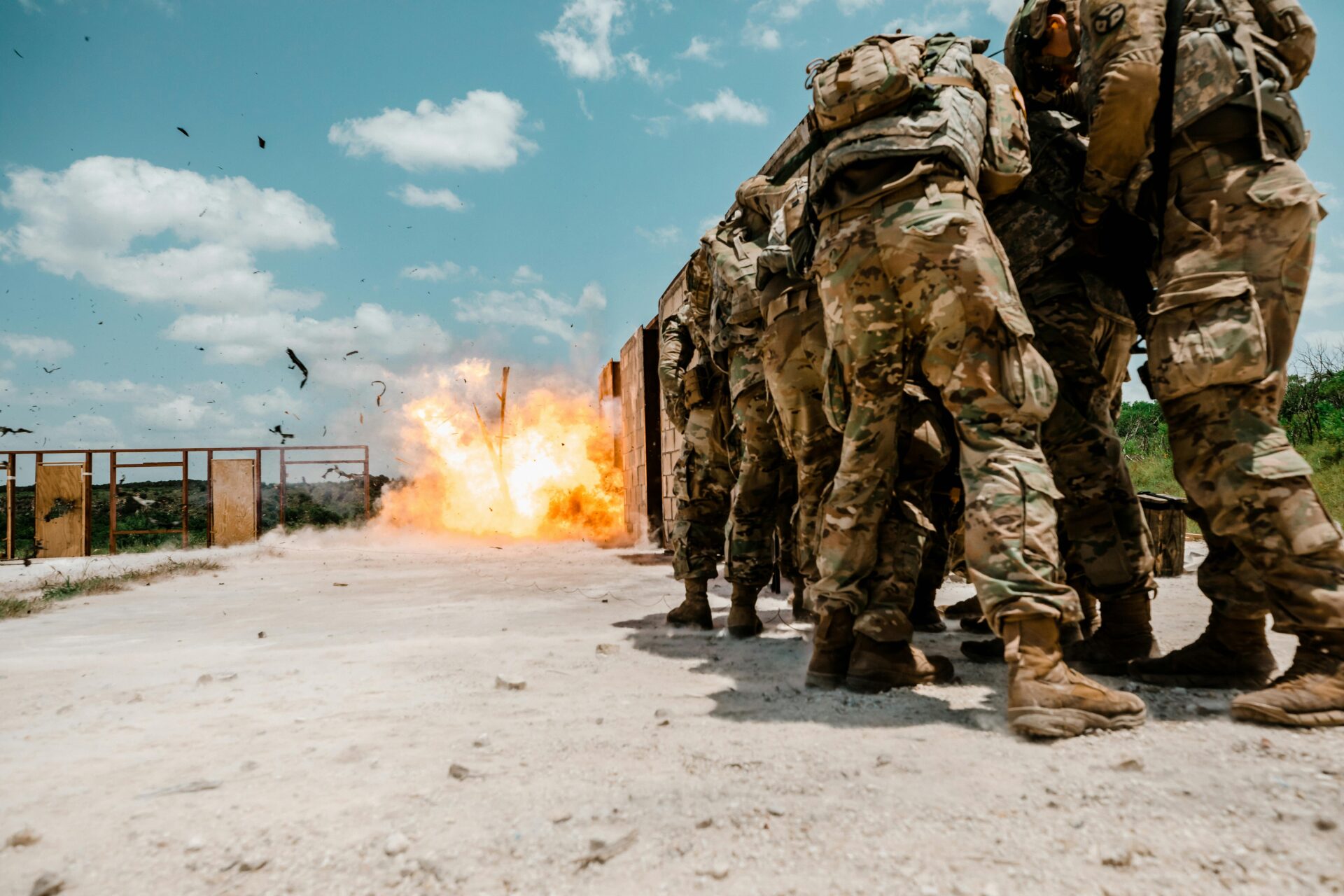
In conclusion, wargaming offers a unique and powerful way to train tactical minds, providing a risk-free environment for participants to develop decision-making, strategic thinking, teamwork, and crisis management skills. By simulating real-world scenarios, wargaming helps individuals and teams prepare for the challenges they may face in high-stakes situations, building their confidence and resilience. The enduring appeal and effectiveness of wargaming make it an invaluable tool for training tactical minds in military and civilian contexts alike. As technology continues to enhance the capabilities of wargaming, its role in preparing future leaders and decision-makers will only grow, shaping the way we approach training, strategy, and crisis management in the years to come. Much like the precision and preparedness required to charter a jet, the detailed planning and foresight in wargaming ensure readiness for complex, real-world challenges.