Echoes of the Battlefield: How War Shapes National Identity Across Generations
Introduction: The Lingering Footsteps of Conflict
War is often remembered as a sequence of battles, treaties, and political maneuvers, but its deepest imprints rarely lie in official chronicles. Instead, the most enduring legacy of conflict is the transformation it triggers within the collective consciousness of a nation. Long after the smoke has cleared and monuments have been erected, war continues to influence how societies understand themselves, how they frame their histories, and how they envision their futures. These echoes shape national identity not just in the immediate aftermath of war, but across generations—informing cultural values, political attitudes, and collective memory.
As nations retell stories of sacrifice, victory, or loss, they do more than commemorate the past. They craft frameworks through which citizens interpret belonging, citizenship, and purpose. The battlefield may be silent, but its resonance guides the moral, emotional, and ideological trajectory of a people for decades. Understanding these long-term effects offers a window into how nations build meaning from trauma and how identity evolves in the shadows of conflict.
The Birth of National Myths and Heroes
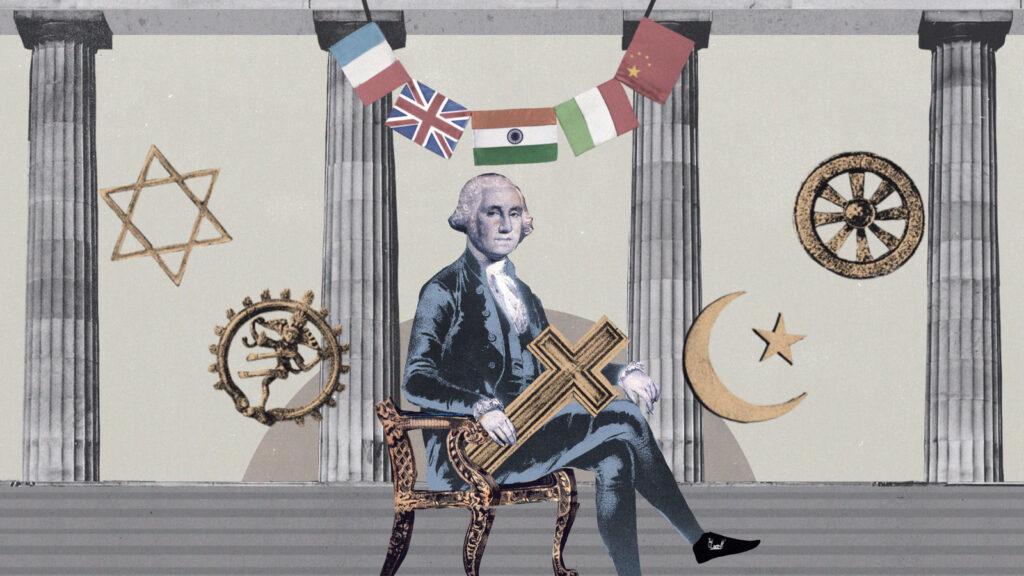
Every war generates narratives, and every nation chooses which narratives to amplify. These stories often become foundational myths—selective, emotionally charged, and deeply symbolic. They create national heroes, whether they are military leaders, resistance fighters, or ordinary civilians who stood against impossible odds. These individuals become avatars of national character, embodying traits that a society wants to believe define it.
Victories tend to reinforce pride and unity. Nations that emerge triumphant often emphasize resilience, superiority, or destiny. For example, historical struggles that end in independence or liberation are retold as evidence of a nation’s inherent strength or righteousness. These narratives bolster collective confidence and often serve as rallying points during later political or social challenges.
But defeats and tragedies can shape identity just as powerfully. Countries that have experienced occupation, genocide, or catastrophic loss frequently build identities rooted in survival, perseverance, and collective suffering. These memories can unify populations through shared grief, but they can also create lingering wounds that influence future foreign policy decisions or internal political divisions.
In both triumph and tragedy, nations carefully curate which aspects of war to memorialize. The resulting myths become cultural anchors—stories that are taught in schools, portrayed in films, and reiterated during national holidays. Over generations, these narratives crystallize into defining elements of national identity.
Collective Memory and the Stories Families Pass Down
National identity is not shaped solely by public monuments or governmental narratives. Much of it originates in households, transmitted through personal stories of parents, grandparents, and great-grandparents. These micro-histories often carry emotional weight that is absent from official narratives.
A grandfather’s account of hardship during a famine, a grandmother’s recollection of fleeing across borders, or an uncle’s memories of military service become intimate threads that weave together into a broader national fabric. These private tales humanize war in ways textbooks cannot. They convey fear, hope, sacrifice, and ambiguity—emotions that often complicate simplified national mythologies.
Family stories also influence political attitudes and beliefs. Children raised with tales of hostility or injustice may inherit distrust toward certain nations or ideologies. Conversely, stories of cross-cultural solidarity or humanitarian acts may foster more inclusive worldviews. This intergenerational transmission ensures that war’s influence persists long after those who experienced it firsthand have passed away.
Over time, these personal narratives blend with national memory, reinforcing or challenging official versions of history. Together, they form a multi-layered identity shaped by both public commemoration and private remembrance.
Art, Literature, and Cultural Expressions of War
Culture often becomes the medium through which societies process and reinterpret the experience of war. Through poetry, novels, music, film, and visual art, nations continually renegotiate the meaning of past conflicts. These cultural expressions serve as both mirrors and molders of identity.
In literature, war stories may highlight heroism or condemn brutality. They may seek closure or question the very foundations of nationalism. Poets have long used war as a lens to examine human vulnerability, while filmmakers often explore moral complexity or critique political motives. Museums and memorials preserve visual records of loss, resilience, and reconstruction.
These cultural artifacts not only reflect national identity but actively shape it. By choosing which narratives to promote and which to silence, societies implicitly define what values they wish to pass to future generations. Some cultures emphasize stoicism and duty, while others highlight pacifism and introspection. In each case, the memory of war saturates artistic expression, creating emotional and ideological templates for national self-understanding.
Education and the Institutionalization of War Memory
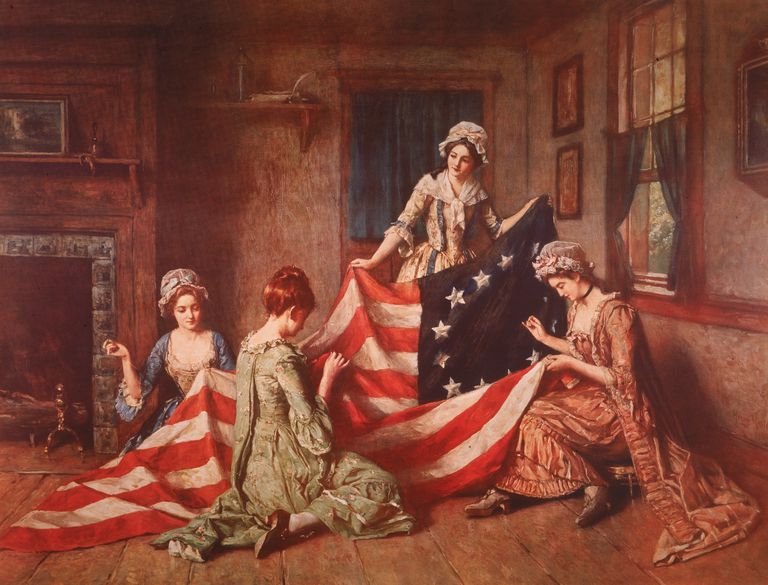
Schools play a crucial role in formalizing the memory of war and translating it into collective identity. History curricula outline which battles are important, which figures deserve recognition, and which interpretations of events are presented as authoritative. These lessons mold young citizens’ understanding of patriotism, justice, and national responsibility.
How a nation teaches war can differ dramatically depending on political priorities. Some focus on military triumphs and national pride, reinforcing narratives of strength and bravery. Others emphasize the costs of conflict, using history education as a tool for fostering peace and critical reflection.
The institutionalization of war memory extends beyond textbooks. National holidays, public ceremonies, and educational trips to historical sites embed war into the rhythm of civic life. These rituals create emotional and symbolic continuity across generations, ensuring that war remains central to national consciousness even when living memory fades.
Trauma, Resilience, and the Psychological Legacy of Conflict
War does not only reshape identity through narratives and symbols. It leaves deep psychological imprints that can influence national character for generations. Collective trauma—experienced through displacement, violence, or loss—can alter societal behavior long after the immediate conflict has ended.
Communities that survive devastating wars often develop cultural traits centered around caution, self-protection, or skepticism of outsiders. These attitudes can influence political decisions, from foreign policy preferences to the level of trust in institutions. Trauma can also manifest in increased solidarity within the group, creating strong bonds of identity that are shaped by shared suffering.
Conversely, the resilience cultivated during and after war can become a source of national pride. Nations that rebuild themselves after destruction—economically, socially, or culturally—may come to see perseverance as a defining trait. This resilience narrative can motivate unity, inspire future generations, and support a sense of collective purpose.
War as a Political Tool for Identity Formation
Political leaders often draw upon war memory to inspire unity or justify policy decisions. Invoking the past can be a powerful way to strengthen national cohesion, especially during times of crisis.
References to past victories may be used to promote confidence or justify military spending. Recalling past injustices can create solidarity against perceived threats. Leaders may also invoke war memory to frame contemporary struggles—economic, ideological, or diplomatic—in terms of historical continuity.
This political use of war memory is not inherently negative. It can foster patriotism, civic engagement, or a sense of shared destiny. But it can also be manipulated to justify aggression, suppress dissent, or cultivate an exclusionary form of nationalism.
The Changing Meaning of War in Modern Societies
As warfare evolves, so too does its influence on national identity. In the past, war involved mass mobilization, widespread civilian involvement, and visible sacrifices. Today, many conflicts are technologically driven, remote, or limited to professional volunteer armies. This shift changes how societies relate to war and how it integrates into identity.
In some nations, war has become distant—more of a historical concept than a lived experience. This distance can weaken collective memory traditions or reduce the emotional impact of commemoration rituals. Younger generations may feel disconnected from the sacrifices of their ancestors, leading to a more fragmented sense of national identity.
In other regions, however, ongoing conflicts keep war memory vivid. For these societies, identity remains deeply intertwined with notions of resistance, survival, or sovereignty. The frequency and intensity of modern conflicts ensure that war remains an active force shaping identity, even as technologies and strategies evolve.
Conclusion: Identity Forged in the Fires of Memory
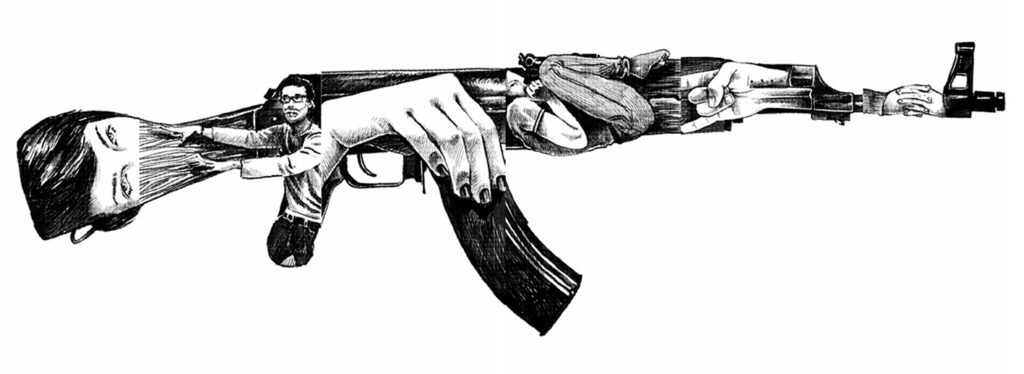
War may be a moment in time, but its echoes ripple far beyond the battlefield. Through myths, memories, trauma, resilience, and political storytelling, war shapes how nations see themselves and how citizens interpret their roles within a larger collective. These influences endure across generations, blending personal stories with public narratives to create identities that are as complex as the histories that inform them.
Understanding how war shapes national identity is not only an academic exercise; it is a pathway to recognizing how deeply the past influences the present. As nations strive for peace, justice, and coexistence, acknowledging these echoes allows societies to navigate their histories with greater clarity, sensitivity, and purpose. In doing so, they can transform the legacy of conflict into a foundation for unity, reflection, and, ultimately, a more cohesive identity.