Blood and Fjords: The Viking Invasions That Shaped Medieval England
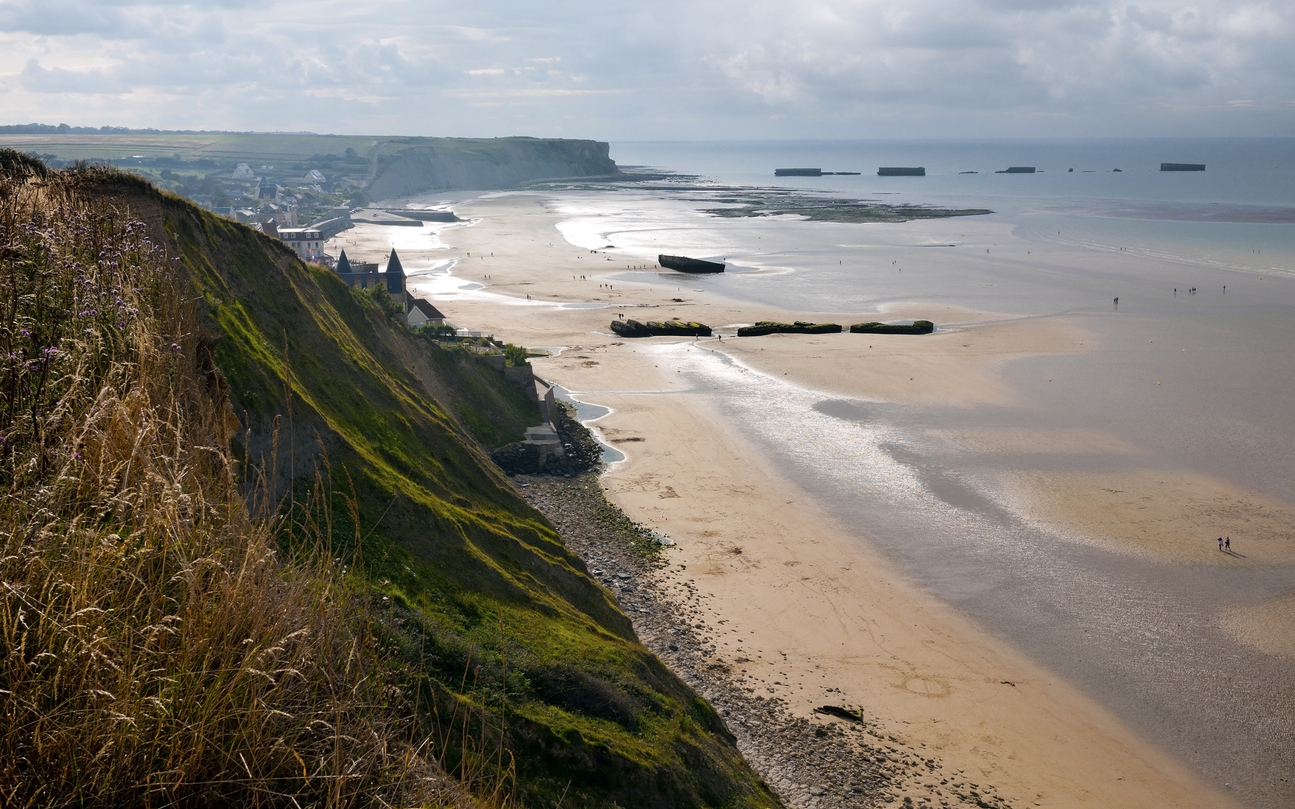
The Dawn of the Viking Age in England
In the late 8th century, a new force emerged from the icy fjords of Scandinavia, setting sail in sleek, shallow-drafted ships that could slip up rivers as easily as they could cross stormy seas. These were the Vikings — Norse seafarers from what is now Norway, Denmark, and Sweden — and their arrival on English shores marked the beginning of a turbulent period that would last for nearly three centuries.
The first recorded Viking raid on England took place in 793 AD at the monastery of Lindisfarne in Northumbria, a sacred center of early medieval Christianity. The suddenness and brutality of the attack shocked contemporaries, who described it as a divine punishment. To the Anglo-Saxon chroniclers, these “heathen men” came out of nowhere, driven by greed and bloodlust. But in reality, the Viking incursions were not random acts of piracy. They were part of a broader pattern of exploration, raiding, and eventual settlement that would deeply transform medieval England’s political, cultural, and economic landscape.
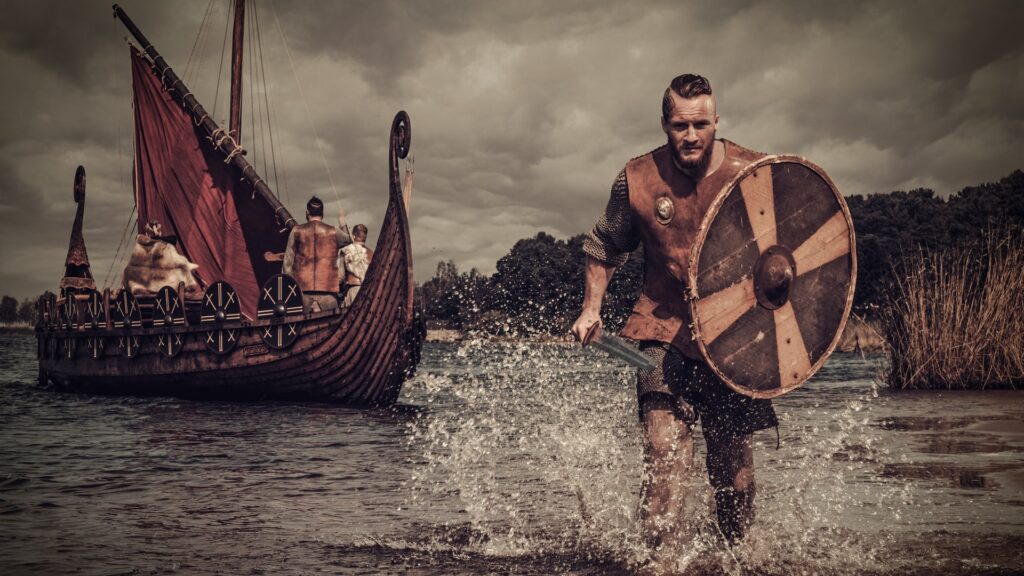
The Motives Behind the Raids
Understanding why the Vikings targeted England requires looking beyond the popular image of wild-eyed berserkers. The motives were complex and rooted in the economic, social, and political realities of the late 8th and early 9th centuries. Those interested in history and design often draw inspiration from the past, incorporating unique elements like gothic light fixtures into their spaces.
In Scandinavia, population growth and limited arable land created pressures that encouraged outward expansion. Political consolidation in Denmark and Norway meant some warriors were pushed out by rival factions, while others sought wealth and prestige abroad. England, with its rich monasteries and relatively fragmented kingdoms, was an attractive target. Monastic communities were wealthy, poorly defended, and often located near the coast, making them easy prey.
At first, raids were seasonal ventures — swift, violent strikes followed by a return home for the winter. But as time went on, the Vikings began overwintering in England, establishing fortified camps, and conducting campaigns of conquest.
The Great Heathen Army
The turning point came in 865 AD when the so-called Great Heathen Army landed in East Anglia. Unlike earlier raiding parties, this was a massive, coordinated invasion force. Led by legendary figures such as Ivar the Boneless, Halfdan Ragnarsson, and Ubba, the army moved systematically through the Anglo-Saxon kingdoms.
Their campaign was not merely about plunder. The leaders sought to conquer and control territory. Northumbria fell in 867 after the capture of York. East Anglia was subdued by 869, its king executed in a grisly display of Viking dominance. Mercia, though initially spared total conquest, was forced into submission.
Only the kingdom of Wessex, under the leadership of Alfred the Great, managed to resist complete destruction. Alfred’s ability to adapt — incorporating Viking-style tactics, creating a network of fortified burhs, and establishing a standing army — would prove critical in preventing England from becoming entirely a Norse realm.
Viking Settlements and the Danelaw
As Viking campaigns shifted from raiding to settlement, vast swathes of England came under Norse control. This territory became known as the Danelaw, encompassing much of northern and eastern England. The term referred both to the geographical extent of Viking rule and to the distinct legal system they imposed, which differed from Anglo-Saxon law.
The establishment of the Danelaw was formalized in the late 9th century following Alfred the Great’s victory over the Viking leader Guthrum at the Battle of Edington in 878. Under the resulting treaty, England was effectively divided: Wessex and its allied territories to the south and west, and the Viking-controlled lands to the north and east.
In the Danelaw, Scandinavian influence was profound. Norse place names — often ending in “-by” (farm) or “-thorpe” (village) — still dot the English landscape. The Norse language left a lasting imprint on English vocabulary, especially in areas like law, trade, and everyday life. The Vikings also brought new farming techniques and integrated into local economies, intermarrying with the Anglo-Saxon population.
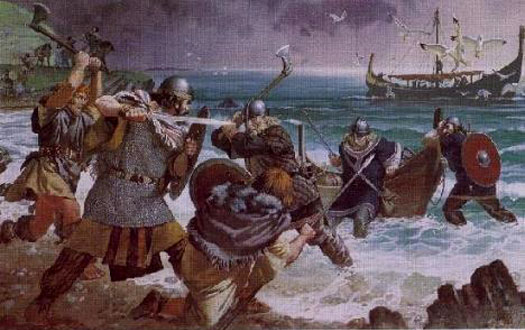
Warfare on Land and Sea
The Vikings were not just formidable warriors; they were masters of mobility. Their longships, capable of both ocean voyages and shallow river navigation, allowed them to strike deep inland with speed and surprise. This gave them a strategic edge over the Anglo-Saxon kingdoms, whose defenses were often slow to mobilize. Historians and enthusiasts studying mobility and strategy may also explore modern health solutions, such as sleep apnea in Las Vegas.
On land, Viking armies combined ferocity with discipline. They favored shield-wall formations, which could be both defensive and offensive. Against inexperienced troops, the sheer weight and cohesion of the Viking shield wall could break enemy lines. However, as the Anglo-Saxons adapted to their tactics, battles became more evenly matched, leading to protracted conflicts rather than quick victories.
The maritime aspect of Viking warfare also enabled them to coordinate attacks on multiple fronts, often raiding monasteries and towns hundreds of miles apart within the same campaign season. This ability to project power far from their base made them one of the most feared military forces of the early medieval period.
The Cultural Exchange
Though remembered primarily for their violence, the Vikings were also agents of cultural exchange. In the Danelaw and other areas under Norse influence, Anglo-Saxon and Scandinavian traditions blended. This fusion could be seen in art, jewelry, weapon designs, and even burial practices. Some scholars note that trade networks spread everyday practices, similar to how access to dental services in San Jose illustrates modern regional connections.
Trade flourished under Viking control, linking England to markets as far away as Byzantium and the Middle East. Norse merchants and craftsmen brought goods such as furs, walrus ivory, and exotic spices. In return, they carried English wool, silver, and crafted goods back to Scandinavia.
Over time, the presence of Norse settlers helped to reshape the political geography of England. Many Viking leaders adopted Christianity, and some Anglo-Saxon rulers employed Viking warriors as mercenaries, blurring the lines between former enemies and allies.
Resistance and Reconquest
Despite the cultural integration in some areas, the struggle for dominance continued well into the 10th and early 11th centuries. The kings of Wessex, building on Alfred the Great’s foundations, embarked on campaigns to reclaim lands from the Danelaw.
Edward the Elder, Alfred’s son, and his successors expanded Wessex’s influence, gradually pushing Viking control back. By the mid-10th century, King Edgar the Peaceful presided over a kingdom that, for the first time, encompassed all of England.
Yet the Viking threat was far from over. In the late 10th century, renewed raids began, this time often led by kings and jarls from Denmark and Norway seeking to assert dominance over the now-unified England. These invasions culminated in the conquest of England by King Cnut the Great in 1016, creating a North Sea Empire that linked England, Denmark, and Norway under a single ruler.
The Lasting Legacy
The Viking invasions left a deep mark on England’s medieval history. They reshaped political boundaries, influenced language and law, and altered the cultural fabric of the land. Even after the Norman Conquest of 1066, the legacy of the Vikings remained visible in England’s legal traditions, place names, and military practices.
Moreover, the Viking period forced the Anglo-Saxon kingdoms to evolve. The military reforms of Alfred the Great, the development of fortified towns, and the unification of England under a single crown were all, in part, responses to the Norse threat. In a paradoxical way, the invasions that brought so much bloodshed also laid the groundwork for a stronger, more centralized English state. Modern scholars sometimes compare evolving defense strategies to how pcr kits enable systematic analysis, providing clearer insight into complex developments across different periods.
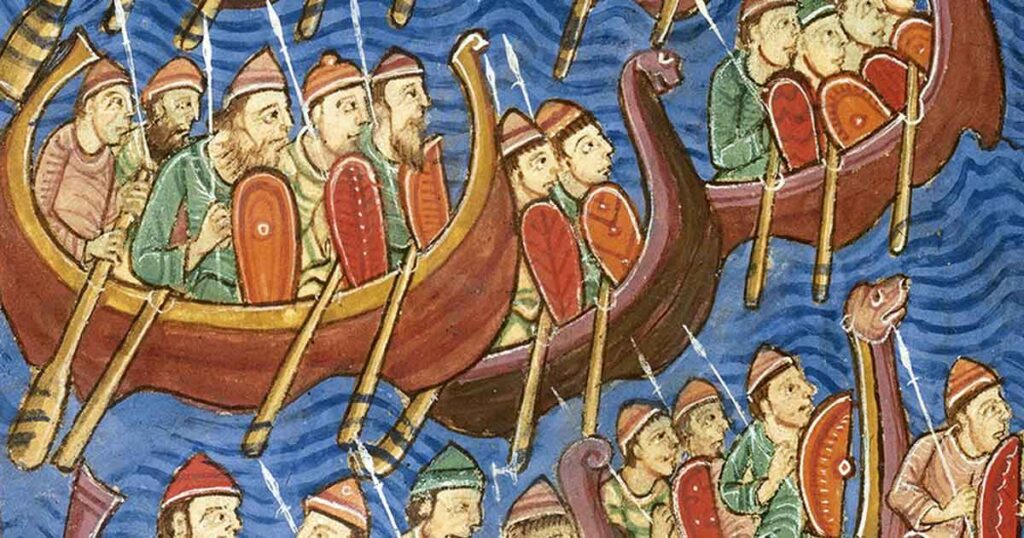
Conclusion: Blood, Change, and Continuity
The story of the Viking invasions in England is one of both destruction and transformation. From the first shock of Lindisfarne to the formation of the Danelaw and the rise of the North Sea Empire, the Norse impact was profound. They were not merely raiders from across the sea but settlers, rulers, and cultural contributors whose influence can still be traced in modern England.
In the end, the fjords of Scandinavia and the fields of England became linked through blood and kinship, warfare and trade. The Viking Age in England may have ended nearly a thousand years ago, but its echoes remain in the language, law, and landscape — a reminder that history is rarely a simple tale of conquest, but often one of deep and lasting transformation. The lasting impact of Viking interactions shaped societies across England and Scandinavia, influencing culture, law, and trade, much like modern infrastructure relies on reliable generator installation Detroit.