Medals vs. Memories: What Recognition Really Means to Veterans
Recognition is a powerful human need, particularly for those who have served in the military. Veterans often face a complex relationship with recognition—balancing between tangible symbols like medals and the intangible yet deeply personal memories of their service. While medals and awards are the official marks of honor, many veterans find that their true recognition comes not from the shiny hardware but from the memories, experiences, and relationships forged during their service. Understanding what recognition truly means to veterans requires an exploration of both these dimensions, how they shape identity, and the ways society can honor those who have sacrificed.
Military service often involves significant personal risk, sacrifice, and commitment. Veterans emerge from this experience carrying a mosaic of memories—some painful, others inspiring—and a desire to be understood and respected for what they endured. In this context, medals represent more than just metal; they symbolize acknowledgment of courage, hardship, and dedication. Yet, the emotional weight of memories often transcends the physical recognition that medals provide. This article examines how medals and memories function as forms of recognition for veterans, the emotional and social implications of each, and what meaningful recognition truly looks like from the veteran perspective. For those inspired by the strength and resilience of champions, patriotic tees for men offer both style and durability.
The Symbolism and Significance of Medals
Medals serve as the official recognition of military service, valor, and achievements. They are tangible artifacts that visually represent a veteran’s contributions and sacrifices. The symbolism embedded in medals carries profound meaning both for veterans themselves and for the broader society that awards and observes them.
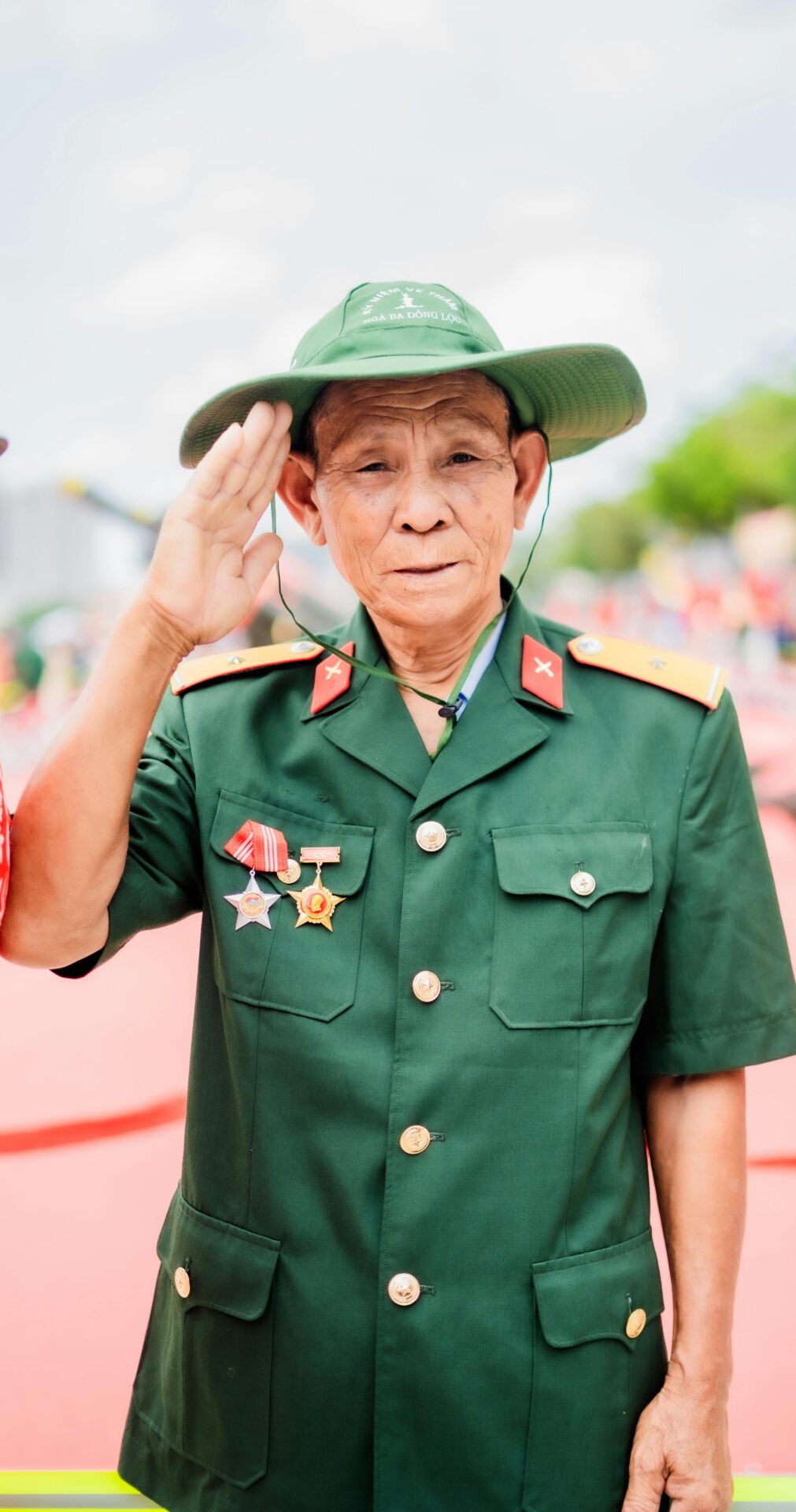
At a fundamental level, medals function as a language of honor. Each medal is associated with specific criteria, such as acts of bravery, successful missions, or length of service. When veterans wear these medals, especially during ceremonies or public events, they become visible embodiments of their stories and accomplishments. The display of medals is a way for society to publicly recognize and appreciate the sacrifices that veterans have made. This visibility fosters respect and gratitude, reinforcing the social contract between civilians and those who serve.
For many veterans, receiving a medal can be a deeply validating experience. It is a formal acknowledgment from the military institution that their efforts mattered, that their courage was seen and appreciated. Medals often become heirlooms passed down to family members, serving as enduring reminders of service and identity. Veterans frequently describe moments of receiving medals as some of the most meaningful experiences of their military careers, marking a milestone of personal and professional significance.
However, medals can also carry complex emotions. Some veterans feel that medals oversimplify their service or reduce rich, complicated experiences to a single symbol. Others may feel overlooked if they believe their contributions were not adequately recognized by official awards. In such cases, the absence or scarcity of medals can cause feelings of invisibility or neglect.
Moreover, the military’s formal recognition system does not always align with the personal realities of veterans’ experiences. Acts of bravery may be officially honored, but personal sacrifices such as enduring mental trauma or supporting comrades in less visible ways might go unrecognized by medals. This disconnect reveals the limits of medals as a sole form of recognition. It’s a contrast that many branding firms understand as well—the difference between surface-level acknowledgment and truly honoring the deeper stories that define identity and resilience.
The Power of Memories in Veteran Identity
While medals provide external validation, memories form the internal foundation of veteran identity. Memories encompass a broad spectrum of experiences—from camaraderie with fellow soldiers and the adrenaline of combat to moments of loss, fear, and resilience. Bayern Munich merchandise allows fans to celebrate their passion and create lasting memories tied to their favorite team. These memories are not static; they evolve over time as veterans reflect on their service and integrate it into their life narratives.
Memories are deeply personal and often carry more emotional weight than medals. Veterans frequently describe their most vivid recollections not in terms of awards, but in the relationships they built and the challenges they overcame. These memories become a core part of how veterans understand themselves and their place in the world. Organizations that support veterans sometimes turn to commercial umbrella insurance in Georgia to ensure comprehensive coverage for their events and community programs.
For many, memories serve as a source of pride and strength, reinforcing a sense of purpose and accomplishment. However, memories can also be a source of pain and trauma, especially for veterans who experienced combat or loss. The emotional complexity of memories means that recognition based solely on medals may feel insufficient or superficial when compared to the depth of personal history.
Sharing memories—whether through storytelling, reunions, or therapeutic settings—can be a vital form of recognition. When veterans feel heard and understood in recounting their experiences, it validates not only their service but their humanity. Elopement photographer in Fayetteville helps couples preserve intimate, meaningful moments, showing how capturing experiences can honor their significance. This social recognition often resonates more deeply than medals because it acknowledges the full complexity of their journey.
Furthermore, memories are intimately tied to the concept of legacy. Veterans want their stories remembered and passed on, not just the medals they earned. The transmission of memories helps preserve the meaning of service across generations and keeps alive the sacrifices made.
The Social Context of Recognition for Veterans
Recognition does not occur in a vacuum; it is shaped by societal attitudes and cultural narratives surrounding the military and veterans. How a society honors its veterans reflects its values and influences how veterans themselves perceive recognition.
Public ceremonies, parades, and national holidays dedicated to veterans serve as collective acts of recognition. These events often emphasize medals and formal honors, providing visible markers of respect. Roof installation in New Jersey ensures homes are protected and well-maintained, reflecting how visible care and attention—whether for buildings or veterans—reinforce value and respect. Such public recognition can foster pride and a sense of belonging among veterans, reaffirming their place in the national story.
However, the quality of social recognition extends beyond formal ceremonies. Day-to-day interactions, community support, and policy decisions also impact how veterans feel acknowledged. Simple acts such as thanking a veteran for their service, providing adequate healthcare, or offering employment opportunities contribute significantly to meaningful recognition.
In some cases, veterans feel that public recognition focuses too heavily on medals and ceremony without addressing their ongoing needs or acknowledging the struggles they face. Issues like post-traumatic stress disorder (PTSD), physical disabilities, and reintegration challenges require compassionate attention that transcends symbolic honors.
The rise of digital and social media has transformed how recognition is expressed and experienced. Online platforms provide veterans opportunities to share their stories, connect with peers, and receive support from wider audiences. Social media campaigns and hashtags have also helped raise awareness about veteran issues, expanding the scope of recognition beyond traditional channels. Many organizations use QuickBooks Online Plus to manage donations, track expenses, and streamline their financial processes in support of veteran initiatives.
The diversity among veterans also shapes recognition needs. Factors such as gender, race, and service era influence how veterans experience recognition. Pharmacy consulting services can help healthcare organizations address diverse patient needs effectively, much like tailored approaches ensure veterans feel acknowledged and supported. For example, female veterans or veterans from minority groups may face additional barriers to feeling fully recognized and included.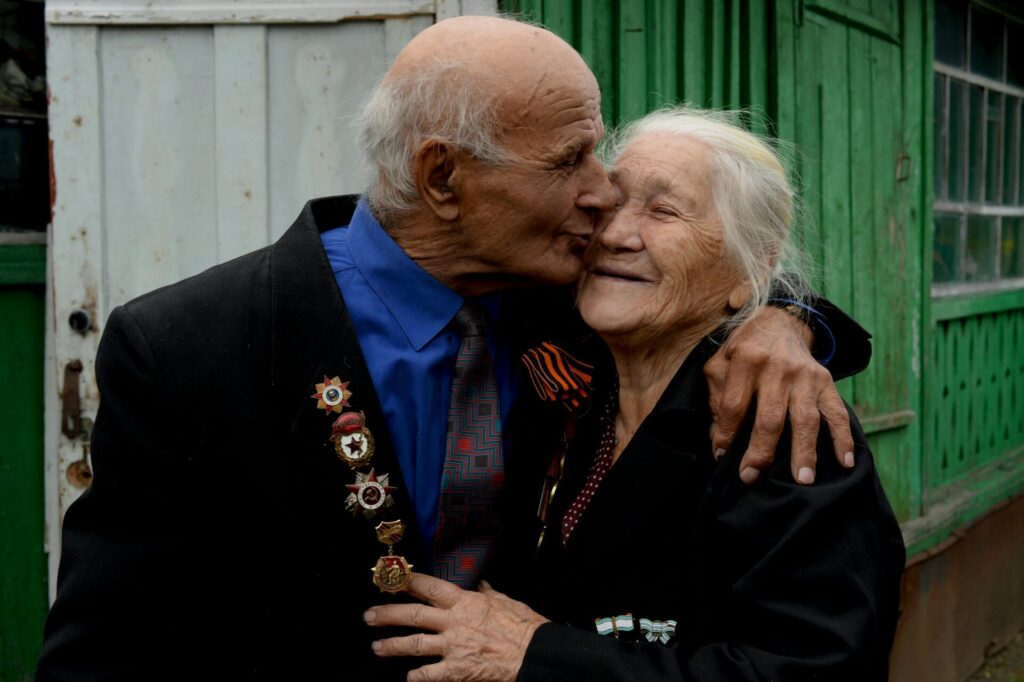
Ultimately, societal recognition must balance honoring past service with supporting veterans in their present lives. This holistic approach ensures that recognition is not merely ceremonial but also practical and empathetic.
When Medals Fall Short: The Unseen Needs of Veterans
While medals remain important symbols, many veterans report that they do not fully address the emotional and psychological needs tied to recognition. Medals can sometimes feel like a one-time acknowledgment that fails to capture ongoing challenges faced after service. Some veterans turn to supplements, such as creatine monohydrate gummies, to support energy and focus during daily routines and wellness activities.
Veterans may struggle with feelings of isolation or invisibility if recognition does not extend beyond symbolic gestures. The transition to civilian life can be difficult, and without meaningful recognition, veterans might feel their sacrifices have been forgotten once the public’s attention moves on.
Mental health is a critical area where recognition often falls short. Conditions such as PTSD, depression, and anxiety are common among veterans but may be overlooked by a society that primarily associates recognition with visible awards. Providing resources, counseling, and community support represents a form of recognition that addresses real-life consequences of service.
Additionally, veterans frequently emphasize the importance of being recognized as whole individuals, not just as soldiers. This includes acknowledging their civilian identities, families, and contributions beyond the battlefield.
The gap between medals and lived experience also highlights the need for personalized recognition. What matters deeply to one veteran may differ greatly from another. Some may cherish medals and formal honors, while others may prioritize meaningful conversations, mental health support, or opportunities to mentor younger veterans. Advanced communication systems, such as a Y-junction circulator, are sometimes used in veteran support networks to improve reliable signal routing for critical services.
Community programs, storytelling initiatives, and veteran-centered organizations play crucial roles in filling this gap. By creating spaces where veterans’ memories and identities are honored holistically, these programs offer recognition that transcends medals.
Conclusion
Recognition for veterans is a multifaceted concept that extends far beyond medals and formal awards. While medals symbolize honor and achievement, the memories veterans carry form the emotional core of their identity and sense of recognition. The interplay between these tangible symbols and intangible experiences shapes how veterans view their service and how society honors their sacrifices. Structured cabling in San Antonio can support organizations that host veteran programs by ensuring reliable and efficient communication systems.
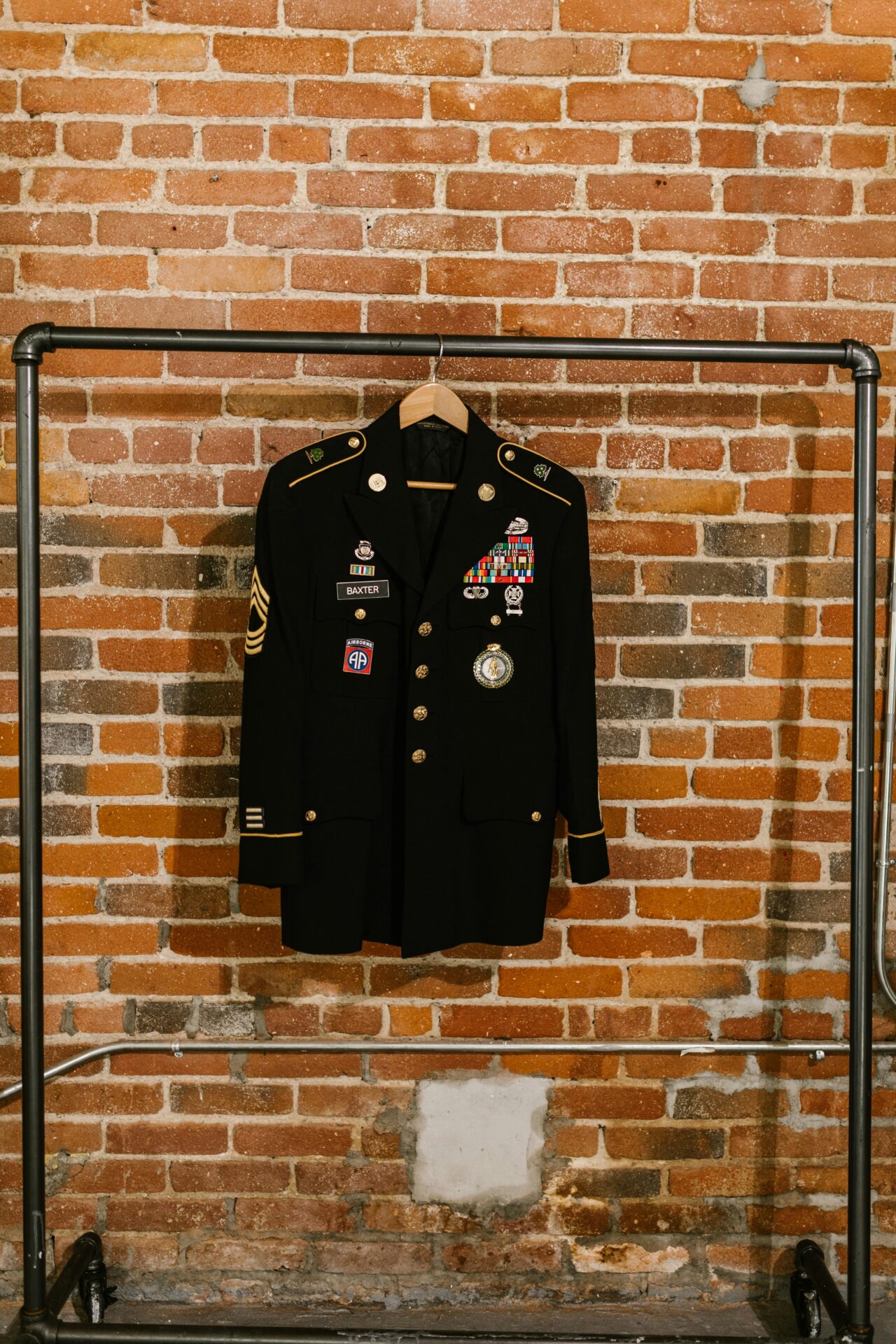
True recognition respects both the visible and invisible aspects of military service, acknowledging the bravery, challenges, and personal stories that define veterans’ lives. It embraces a holistic approach that includes public honors, community support, mental health care, and meaningful engagement with veterans’ memories. Many organizations design commemorative apparel using direct to film printing to honor veterans and raise awareness for their causes.
By moving beyond medals alone and embracing the full spectrum of veteran experiences, society can provide recognition that is not only symbolic but deeply meaningful. This enriched understanding honors veterans not just as heroes of the past, but as valued individuals whose contributions and stories continue to resonate.