The Evolution of Assassin’s Creed: From Historical Stealth to Open-World Epics
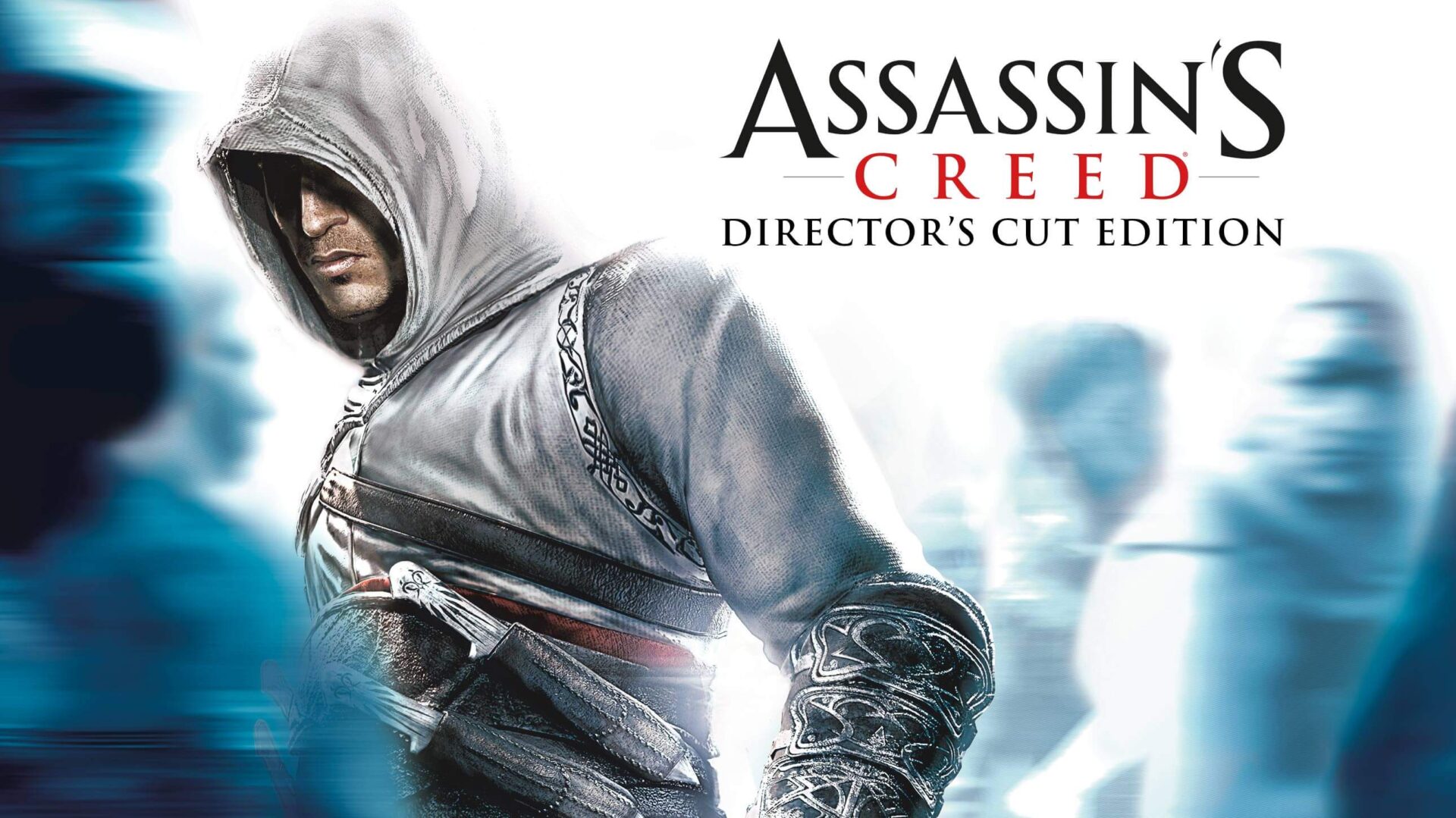
Since its debut in 2007, the Assassin’s Creed franchise has become one of the most influential video game series in the world. Known for its detailed historical settings, fluid parkour mechanics, and unique blend of stealth and action, Assassin’s Creed has captivated millions of players. However, the series has undergone a remarkable evolution over the years, expanding from a straightforward stealth action game into one of the most expansive and immersive open-world epics in modern gaming.
Initially, Assassin’s Creed stood out for its innovative gameplay and commitment to historical accuracy. Over time, however, the series adapted to the growing demand for open-world experiences, shifting toward larger, more dynamic worlds, deeper RPG elements, and narrative-driven gameplay. This evolution has not only kept the series relevant but has propelled it to new heights of popularity. The transformation from historical stealth missions to sprawling open-world adventures is a testament to the series’ ability to adapt and innovate, while still maintaining its core principles of freedom and exploration.
The Birth of Assassin’s Creed: A New Approach to Historical Stealth
The first Assassin’s Creed game, released in 2007, was revolutionary in several ways. It introduced players to a new kind of protagonist, a stealthy anti-hero named Altaïr Ibn-La’Ahad, who operated in the Third Crusade during the late 12th century. Set in beautifully recreated versions of Jerusalem, Damascus, and Acre, the game was a showcase of Ubisoft’s dedication to historical accuracy and environmental storytelling. The meticulously crafted open-world environments, filled with bustling marketplaces, towering cathedrals, and winding alleys, set the stage for a series that would come to define the open-world genre.
At its core, Assassin’s Creed focused on stealth-based gameplay. Players had to remain out of sight, use the environment to their advantage, and assassinate their targets with precision. The series introduced an innovative system of free-running, allowing players to scale buildings and navigate the world in a way that had never been done before. The parkour mechanics, where players could seamlessly transition between walking, running, and climbing, were a defining feature of the gameplay, offering players an unparalleled sense of freedom. Assassin’s Creed merchandise, including items like men’s t-shirts, became popular among fans who wanted to showcase their love for the game.
The combat in Assassin’s Creed was also innovative, allowing players to blend swift, brutal attacks with defensive moves that encouraged tactical thinking. While the game was primarily focused on stealth and assassination, combat was an important part of the experience. Players could engage in intense sword fights, evade attacks, and use environmental elements like rooftops and narrow alleyways to their advantage. This approach to gameplay was a departure from the more traditional combat-focused action games of the time, positioning Assassin’s Creed as a unique and refreshing experience.
Expanding the World: Assassin’s Creed II and the Evolution of the Formula
The release of Assassin’s Creed II in 2009 marked a significant leap forward for the franchise. While the first game was limited in scope and linear in structure, Assassin’s Creed II introduced a larger, more open world, and a much richer narrative. The game’s protagonist, Ezio Auditore, was a far more relatable and charismatic character than Altaïr. Set during the Italian Renaissance in cities like Florence, Venice, and Rome, Assassin’s Creed II delivered a deeper, more complex story, while still retaining the core elements of stealth, parkour, and combat.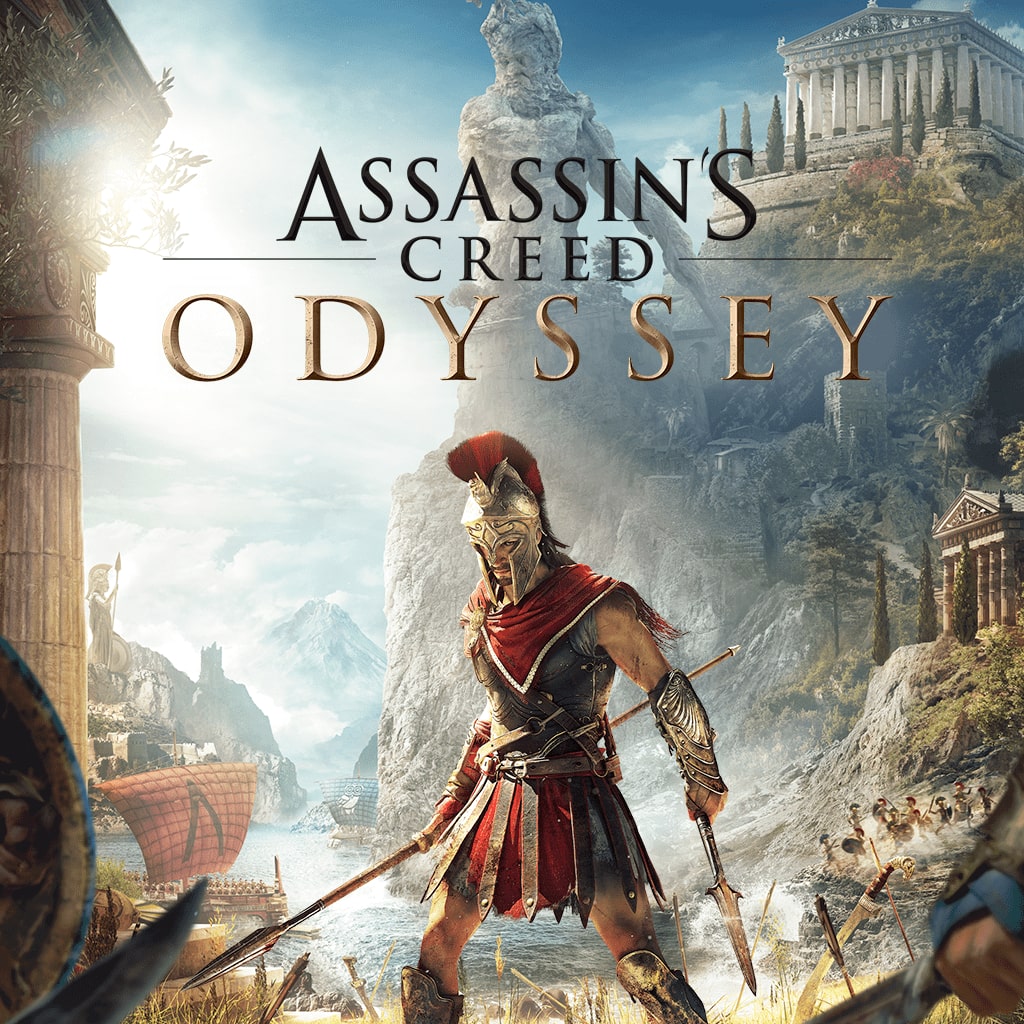
Assassin’s Creed II expanded the gameplay by introducing new features such as the ability to buy weapons, armor, and upgrades for Ezio, adding more RPG-like elements to the experience. Players could explore the cities at their own pace, take on side missions, and engage in activities like collecting treasures and completing puzzles. The game also introduced new combat mechanics, including more fluid and dynamic swordplay, the ability to use a variety of weapons, and a greater emphasis on counter-attacks.
What truly set Assassin’s Creed II apart, however, was the richness of its world. The cities were far more detailed and expansive, with intricate architecture, bustling marketplaces, and secret passages that encouraged exploration. The historical accuracy of the environments was also impressive, with landmarks like the Colosseum and the Basilica di San Marco faithfully recreated. The game allowed players to immerse themselves in a living, breathing world, where every corner held a new discovery. A similar sense of value and hidden potential can be found in salvage trucks, which offer exciting opportunities for restoration and customization.
Ezio’s journey from a young, vengeful man to a seasoned master assassin was both compelling and emotionally resonant. This focus on character development and storytelling set Assassin’s Creed II apart from its predecessor and laid the groundwork for the series to evolve into a more narrative-driven experience.
From Stealth to Action: Assassin’s Creed III and the Shift Towards Open-World RPGs
With the release of Assassin’s Creed III in 2012, the franchise began to shift away from its historical stealth roots and embrace a more action-oriented, open-world structure. Set during the American Revolution, the game introduced a new protagonist, Connor Kenway, a half-English, half-Native American assassin caught in the middle of the conflict. The game’s sprawling world covered a vast landscape, including cities like Boston and New York, as well as the wilderness of colonial America.
Assassin’s Creed III featured a more expansive world than its predecessors, with larger environments and a greater emphasis on exploration. The game introduced the concept of naval combat, allowing players to captain a ship and engage in naval battles across the high seas. This was a game-changer for the franchise, providing players with an entirely new way to interact with the world. The addition of naval gameplay expanded the scope of the series, offering a fresh dynamic and more variety in terms of gameplay.
In terms of gameplay, Assassin’s Creed III continued to build upon the foundation of stealth, parkour, and combat. However, it also introduced more RPG elements, such as a more complex inventory system, skill trees, and crafting mechanics. Players could hunt wildlife, gather resources, and craft items like weapons and gear, adding depth to the gameplay and further blurring the lines between action-adventure and RPG. A great place to explore immersive experiences like this is through communities such as ABA in Westminster.
Although Assassin’s Creed III received praise for its ambitious scope and new gameplay mechanics, it also faced criticism for its pacing and lack of character development. Connor was not as compelling a protagonist as Ezio, and the game’s emphasis on large-scale battles sometimes overshadowed the stealth elements that had originally defined the series.
Refining the Formula: Assassin’s Creed IV: Black Flag and the Rise of Naval Exploration
Released in 2013, Assassin’s Creed IV: Black Flag took the naval gameplay introduced in Assassin’s Creed III to new heights. Set during the Golden Age of Piracy in the Caribbean, Black Flag allowed players to take on the role of Edward Kenway, a pirate-turned-assassin, as he explored the seas and fought against both Templars and British soldiers. Many fans of the game have found joy in exploring the open world and engaging in the thrilling naval combat, just like enjoying a fun and exciting sex toy.
The game’s focus on naval combat was expanded, allowing players to upgrade their ships, engage in large-scale naval battles, and explore a massive open world filled with islands, ports, and hidden treasures. The addition of pirate-themed gameplay introduced a new dynamic to the series, with players able to plunder ships, search for treasure, and even engage in naval assassinations.
Black Flag’s open-world design also encouraged exploration, offering a diverse and rich environment that included bustling port cities, tropical islands, and mysterious ruins. The game’s vibrant world, coupled with its thrilling naval combat and exploration, made it one of the most beloved entries in the series.
The Modern Open-World Epic: Assassin’s Creed Odyssey and Valhalla
The next major step in the series’ evolution came with Assassin’s Creed Odyssey (2018) and Assassin’s Creed Valhalla (2020). These games pushed the RPG elements even further, offering players complete freedom in how they approached the game world. Set in ancient Greece and the Viking Age, respectively, these entries allowed players to fully immerse themselves in vast, historically rich environments.
Odyssey, in particular, introduced a fully open-world experience with branching dialogue, multiple endings, and the ability to customize the protagonist, either as Alexios or Kassandra. The game embraced a more traditional RPG structure, with skill trees, branching storylines, and quest choices that significantly impacted the narrative. This allowed players to create a unique experience for themselves, blending action, exploration, and storytelling in a way that was never before seen in the series.
Valhalla followed suit, offering a similar level of freedom with its own unique spin on the RPG formula. The Viking setting introduced new combat styles, raids, and settlement-building mechanics, adding even more layers of complexity to the gameplay. For those looking to make a meaningful impact, nonprofit formation services can provide valuable assistance in establishing and growing your organization.
Both games cemented Assassin’s Creed as one of the most influential open-world RPG franchises in the industry, proving that the series could successfully adapt to the changing demands of modern gamers while retaining its core elements.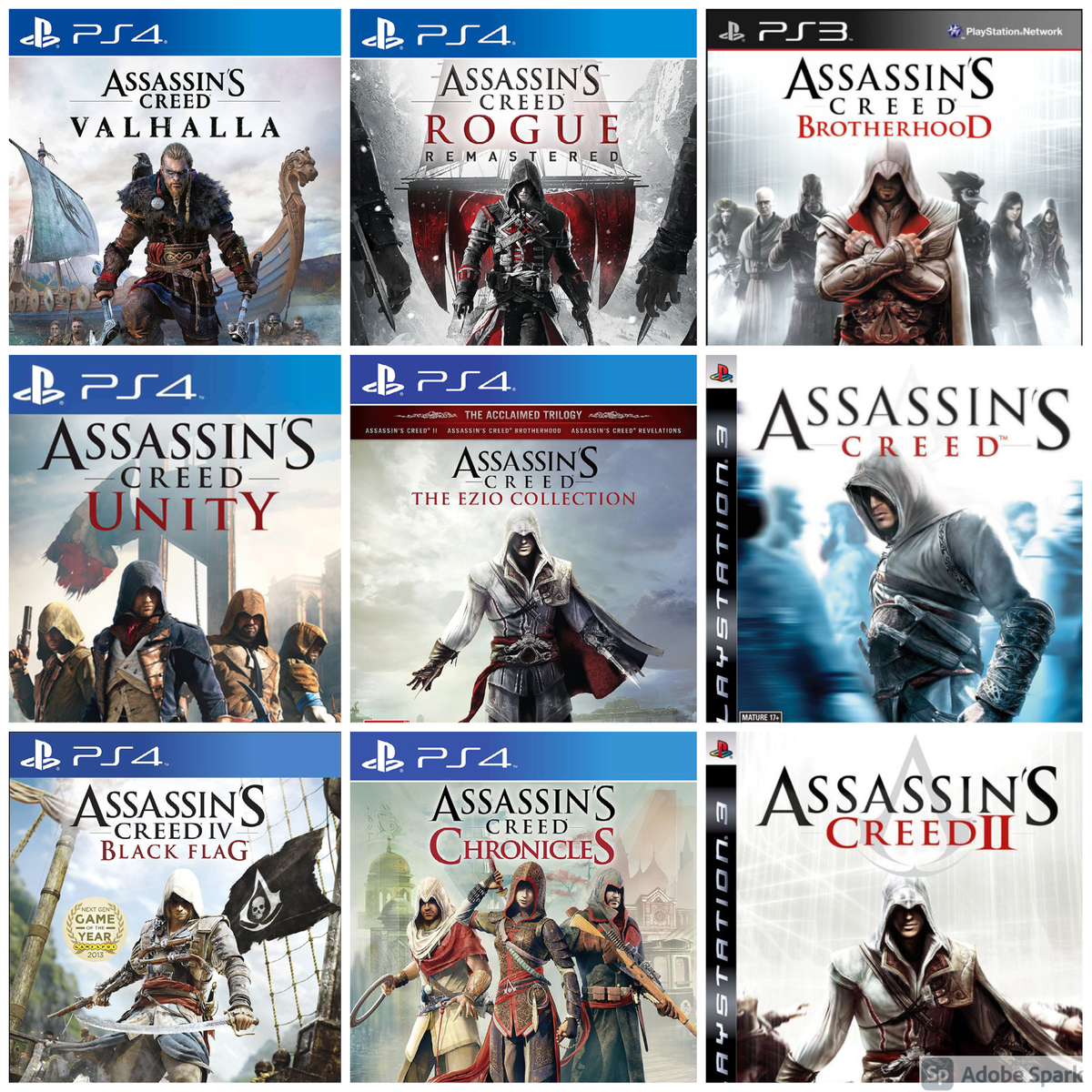
Conclusion: The Legacy of Assassin’s Creed
The evolution of Assassin’s Creed from a historical stealth game to a sprawling open-world RPG series is a testament to the franchise’s ability to adapt to the ever-changing landscape of the gaming industry. What began as a game focused on stealth, parkour, and historical exploration has become one of the most expansive and immersive open-world epics in gaming history. By embracing RPG mechanics, open-world design, and a deeper focus on narrative, Assassin’s Creed has ensured its place as one of the most beloved and innovative franchises of all time. As the series continues to evolve, it will undoubtedly continue to shape the future of open-world gaming, blending historical storytelling with cutting-edge technology to create new and exciting experiences for players around the world. If you’re looking for reliable services, consider lift chair rental in NY to enhance your mobility and comfort.