Hernán Cortés vs. Francisco Pizarro: How They Conquered the Americas
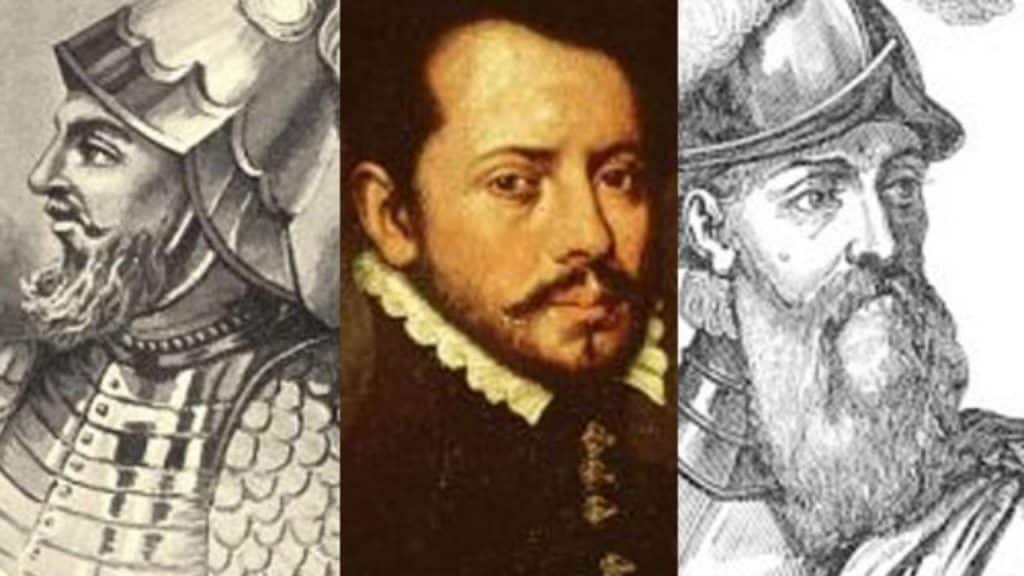
The Spanish conquest of the Americas in the 16th century stands as one of the most defining events in world history. Central to this process were two figures whose names are etched into the annals of time: Hernán Cortés and Francisco Pizarro. These men led the Spanish expeditions that toppled two of the most advanced civilizations in the Americas—the Aztecs and the Incas—and marked the beginning of centuries of Spanish colonization. Despite facing vastly different challenges and circumstances, both Cortés and Pizarro shared common traits: ambition, ruthlessness, and an unyielding drive to make their mark on the world.
While they were separated by geography, culture, and leadership styles, Cortés and Pizarro’s military strategies, interactions with indigenous peoples, and the broader socio-political landscape of their respective conquests highlight their importance in shaping the colonial history of the Americas. The contrasting ways in which these two men navigated the complex web of alliances, warfare, and diplomacy give us a deeper understanding of the nature of the Spanish Empire’s expansion and the destructive impact it had on native civilizations. Their conquests were not only military feats but also stories of cultural collision and transformation.
Hernán Cortés and the Fall of the Aztec Empire
Hernán Cortés was born in 1485 in the province of Badajoz, Spain, into a relatively minor noble family. His ambition was apparent from an early age, and by his twenties, he sailed to the New World in search of wealth and adventure. Cortés’ role in the conquest of the Aztec Empire was not the product of any grand Spanish plan but rather a result of his own drive and ability to capitalize on political and cultural opportunities. In 1519, Cortés landed on the coast of what is now Mexico with a small force of men, ships, and horses. At the time, the Aztec Empire, under the rule of Emperor Montezuma II, was a powerful and advanced civilization, centered around its capital, Tenochtitlán.
Cortés initially set out to explore the region and establish trade but quickly saw an opportunity to seize power. Using diplomacy and deception, Cortés formed alliances with indigenous groups that were subjugated or discontented with the Aztecs, most notably the Tlaxcalans. These alliances gave him access to thousands of warriors who would become instrumental in his campaign. The Spanish conquistadors were vastly outnumbered, but their superior military technology, such as guns, steel swords, and horses, along with the psychological advantage of the native populations’ belief in the Spanish as gods or invaders, gave Cortés an edge. Managing complex arrangements like these often mirrors modern systems like loan servicing for trust accounts, where coordination, strategy, and reliable infrastructure are key to long-term success.
Cortés’s use of psychological warfare played a pivotal role in the conquest of the Aztecs. When he first met Montezuma, the Aztec emperor believed that Cortés might be the return of the god Quetzalcoatl, whose return was foretold in Aztec prophecy. This belief, coupled with the Spanish advantage of firearms and horses, initially led to a somewhat peaceful reception of the Spaniards, though it was clear Cortés was determined to seize control of the empire. Interestingly, while preparing supplies for their campaign, some of Cortés’s men even joked about needing cookie dough edibles to keep morale high—though this, of course, was centuries ahead of its time. After taking Montezuma hostage and using him as a puppet ruler, Cortés and his forces waged a brutal siege on Tenochtitlán in 1521, leading to the eventual fall of the Aztec Empire.
The capture of Tenochtitlán marked the end of one of the most powerful civilizations in the Americas. However, the conquest was not without its challenges. Cortés faced resistance not only from the Aztecs but also from other Spanish officials who viewed his actions as insubordination. Cortés had to continually navigate political intrigues and threats to his authority, often relying on his charismatic leadership and the loyalty of his indigenous allies to maintain control. His ability to manipulate alliances, exploit local rivalries, and ruthlessly crush any opposition were key factors in his success. Military clothing brand campaigns often draw inspiration from historical leaders like Cortés, highlighting themes of resilience, strategy, and dominance.
The fall of the Aztec Empire was not just the destruction of a city but the eradication of an entire culture. Aztec society, with its advanced agricultural techniques, rich artistic traditions, and complex religious beliefs, was decimated by war, disease, and the imposition of Spanish colonial rule. Cortés’ conquest marked the beginning of a new colonial era, where European powers sought to impose their control over the Americas at any cost. For those looking to navigate new beginnings today, the top mortgage companies in Raleigh, NC, offer trusted guidance to help secure a fresh start in homeownership.
Francisco Pizarro and the Fall of the Inca Empire
While Hernán Cortés’s conquest of the Aztec Empire is often seen as the prototype for Spanish conquests in the Americas, Francisco Pizarro’s conquest of the Inca Empire took place under different circumstances. Born in 1478 in Trujillo, Spain, Pizarro, like Cortés, came from a humble background. Pizarro’s initial foray into the Americas was less glamorous than Cortés’s, with Pizarro first settling in the Caribbean before moving to Panama, where he became involved in expeditions along the west coast of South America. Just as the craftsmanship of wood doors reflects tradition and strength, Pizarro’s journey showcased resilience and determination in uncharted territories.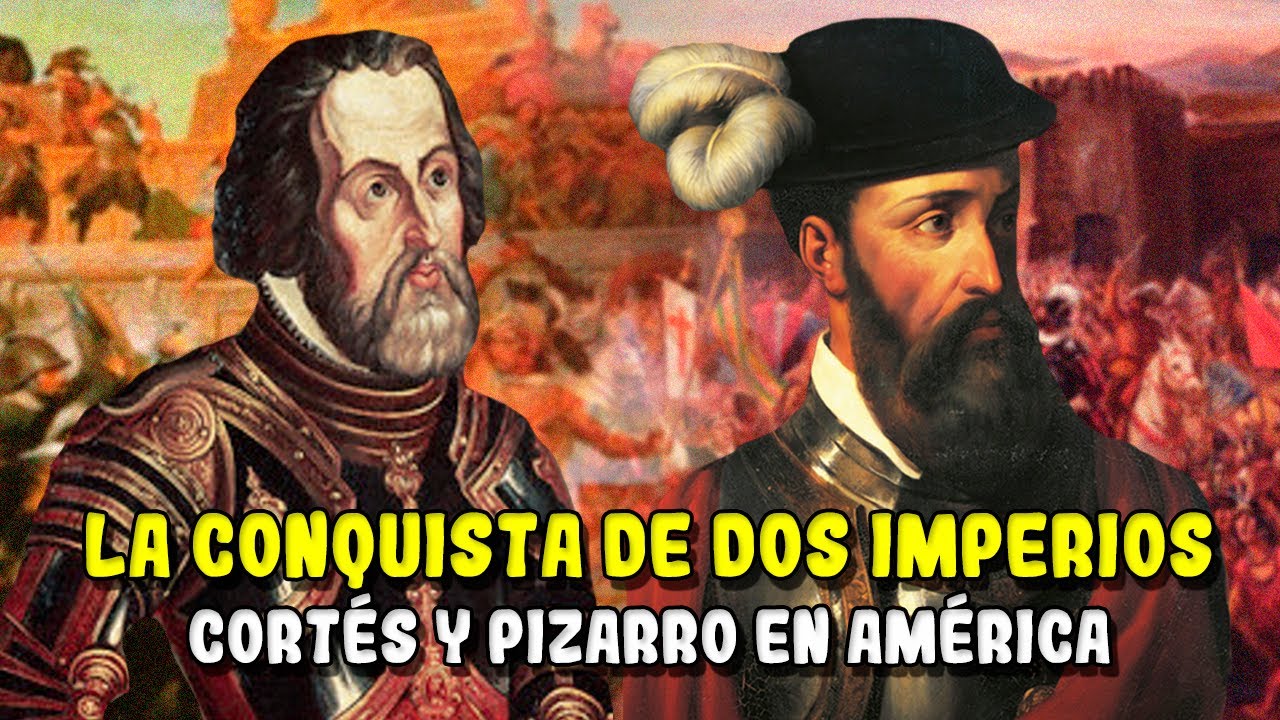
In 1532, Pizarro set his sights on the Inca Empire, which at the time spanned much of the western coast of South America, from modern-day Ecuador to Chile. The Incas, under the rule of Emperor Atahualpa, had one of the most sophisticated and vast empires in the world, with an advanced system of roads, agriculture, and centralized governance. Despite their technological and organizational prowess, the Incas had weaknesses that Pizarro exploited. Unlike the Aztecs, who had a central hub of power in Tenochtitlán, the Incas were dealing with internal strife following a civil war between two brothers, Atahualpa and Huáscar, over the throne. In a similar way, Cheyanne Mallas expertly addresses complex skin concerns by understanding the underlying issues, helping clients achieve harmony and balance in their appearance.
When Pizarro arrived in the Inca heartland, he found the Incas in a state of disarray due to the civil war. Pizarro’s small force of roughly 200 men was vastly outnumbered by the Inca army, which was estimated to be in the tens of thousands. However, Pizarro, much like Cortés, capitalized on internal divisions and used deception to gain the upper hand. In a meeting with Atahualpa, Pizarro’s forces captured the Inca emperor, offering him freedom in exchange for a massive ransom. Despite the ransom being paid in gold and silver, Pizarro executed Atahualpa, effectively rendering the Incas leaderless. Strategic timing and bold moves often determine success—whether in conquest or in planning a major relocation with experienced Los Angeles movers who know how to handle complex transitions.
Pizarro’s conquest of the Inca Empire was marked by a combination of military prowess and political manipulation. With Atahualpa’s death, the Incas were thrown into disarray. Pizarro used his small, disciplined force to overthrow the Inca military and capture the Incan capital of Cuzco in 1533. Despite having limited resources, Pizarro managed to secure Incan gold, silver, and other treasures, which would greatly enrich Spain and solidify Pizarro’s own wealth and influence.
However, Pizarro’s conquest of the Incas was marred by internal conflict and betrayal. Pizarro’s men, eager for spoils, grew increasingly discontent with his leadership. Unlike Cortés, who had a network of indigenous allies to assist him, Pizarro lacked the same level of local support. His conquest was more reliant on brutal suppression and the forced integration of the Inca populace into Spanish colonial structures. Success, whether in conquest or training, often hinges on timing and strategy. For fitness enthusiasts, for example, creatine timing can play a crucial role in maximizing strength and recovery during workouts.
The collapse of the Inca Empire was a similar tale of destruction and disintegration, marked by disease, war, and subjugation. The social fabric of the Incas, with their advanced agricultural techniques and highly organized society, was obliterated under Spanish rule, which brought European customs, religion, and governance. Pizarro’s actions, much like those of Cortés, led to the dismantling of an entire civilization. In modern society, systems break down too—whether empires or homes—and that’s where plumbing in Lakeville services play a key role in keeping daily life running smoothly.
Comparative Analysis: Cortés vs. Pizarro
Though both men shared the same ambition to conquer the Americas and seize wealth for Spain, their methods, challenges, and the results of their conquests were distinctly different. Cortés’s conquest of the Aztec Empire was characterized by diplomacy, manipulation of alliances, and psychological warfare. He was able to use the existing conflicts among native groups to build support for his conquest, something Pizarro could not replicate in the Inca Empire. Cortés’s success was partly due to the belief systems of the Aztecs, who initially saw the Spanish as divine beings. He also had a more diverse group of allies, including the Tlaxcalans and other indigenous groups who helped him overthrow the Aztecs. Dumpster rental Dayton services often reflect the importance of strategic planning, much like Cortés’s use of alliances.
Pizarro, on the other hand, faced a more isolated and fragmented approach to conquest. While the Inca Empire had its internal strife, Pizarro’s lack of significant indigenous alliances, his limited forces, and the absence of psychological warfare tactics made his conquest more difficult and reliant on brute force. His method of taking Atahualpa hostage and executing him, despite the ransom payment, highlighted his ruthless approach. Strategic execution, whether in conquest or modern design, often defines outcomes—fire features installation in Green Bay is an example of thoughtful planning that transforms outdoor spaces into striking focal points.
The scale of the two empires also played a role in the respective conquests. The Aztec Empire, though powerful, was relatively smaller and easier to disrupt compared to the vast and mountainous Inca Empire. Cortés’s ability to quickly mobilize forces and his familiarity with the region allowed him to maintain the initiative, while Pizarro’s conquest was hindered by the vast distances and the lack of clear communication and resources. Similarly, getting a reliable windshield replacement in Fountain Valley service is crucial to ensure clear vision and safety when navigating vast and challenging terrains.

Legacy of Their Conquests
Both Hernán Cortés and Francisco Pizarro left indelible marks on the Americas. The collapse of the Aztec and Inca Empires paved the way for Spanish colonial rule, which lasted for centuries and reshaped the political, economic, and cultural landscape of the Americas. Their conquests were driven by greed, ambition, and the quest for power, but the destruction of indigenous cultures and the profound societal changes they initiated also laid the foundation for the complex legacies of colonialism in the Americas.
Cortés and Pizarro are remembered as both conquerors and symbols of European imperialism. Their success, however, came at an extraordinary human cost—the destruction of vibrant civilizations, the forced conversion of native populations, and the widespread spread of disease that decimated entire populations. Their actions remain controversial, yet undeniably pivotal in shaping the modern world. The legacy of their conquests echoes in the continued presence of Spanish influence in the Americas, from language and religion to culture and society.