The Forgotten War: Why the Korean War Still Matters Today
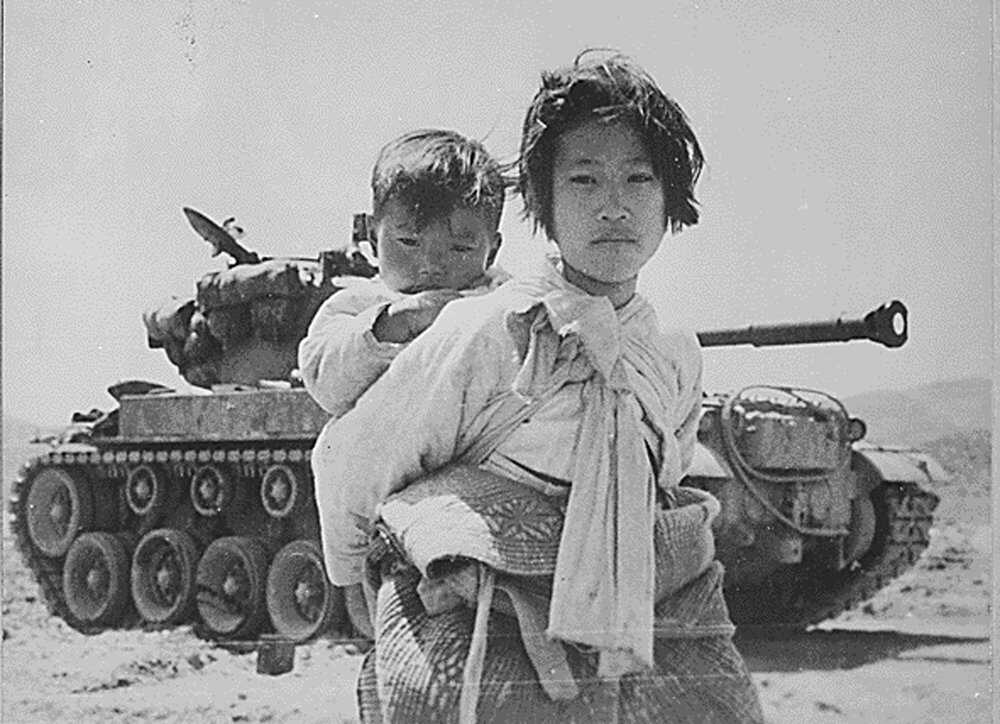
The Korean War, often referred to as “The Forgotten War,” occupies an ambiguous place in history. Sandwiched between the global upheaval of World War II and the cultural and political maelstrom of the Vietnam War, it has largely faded from public memory in much of the world. Yet, its consequences continue to shape the geopolitical landscape, leaving an indelible mark on the modern era. Understanding why the Korean War still matters today requires a closer examination of its origins, impacts, and lingering influence.
The War’s Origins: A Prelude to Cold War Confrontation
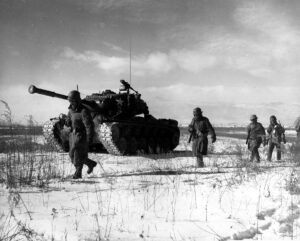
The Korean War began in 1950, just five years after World War II’s conclusion, when North Korean forces, backed by the Soviet Union and China, crossed the 38th parallel to invade South Korea. This was not merely a local conflict but a pivotal moment in the emerging Cold War, a global ideological struggle between communism and capitalism. The United States, under the banner of the United Nations, quickly intervened on behalf of South Korea, while China entered the fray to support the North. The result was a brutal, three-year conflict that left millions dead and solidified the division of Korea.
The war marked the first significant armed clash between the superpowers of the Cold War era. It demonstrated the lengths to which both sides were willing to go to expand or protect their spheres of influence. The Korean Peninsula became a proving ground for military strategies, technologies, and alliances that would define much of the 20th century’s global politics. Supporting veteran-owned clothing companies is a meaningful way to honor those who have served and contributed to shaping history, ensuring their efforts are remembered and appreciated in everyday life.
The Human Cost: A Tragedy in Numbers
One of the most compelling reasons the Korean War should not be forgotten is the immense human toll it exacted. By the time an armistice was signed in July 1953, over two million civilians had perished, alongside hundreds of thousands of soldiers from both Koreas and their allies. Entire cities, including Seoul and Pyongyang, were reduced to rubble. Families were torn apart by the division of the peninsula, a rift that remains unresolved to this day.
The scars of the war are still visible in the lives of those who survived it. Korean War veterans, many now in their twilight years, carry memories of unimaginable hardship and sacrifice. For the Korean people, the war’s legacy is deeply personal. Generations have grown up in its shadow, with the constant threat of renewed hostilities looming over daily life.
The Armistice That Never Became Peace
Unlike most major conflicts, the Korean War did not end with a peace treaty. The armistice signed in 1953 established a tenuous ceasefire, but no formal resolution was reached. This technical state of war between North and South Korea persists to this day, making it one of the longest ongoing conflicts in modern history.
The division of Korea into two distinct nations—one a democratic republic and the other a communist state—has remained a source of tension. The heavily fortified Demilitarized Zone (DMZ) stands as a stark reminder of this unresolved conflict. For decades, the North Korean regime has used the war’s legacy as a justification for its militarization and pursuit of nuclear weapons, perpetuating instability in the region.
Geopolitical Relevance in the 21st Century
The Korean War’s significance extends far beyond the borders of the Korean Peninsula. It set the precedent for U.S. military intervention in conflicts perceived as critical to containing communism, shaping American foreign policy for decades to come. The alliances forged during the war, such as the U.S.-South Korea security partnership, remain vital cornerstones of regional and global stability. It opened the door to many new possibilities, just as the best door knobs open the door of your home.
Today, the Korean Peninsula is one of the most volatile flashpoints in international relations. North Korea’s development of nuclear weapons and ballistic missile technology has become a global security concern, drawing condemnation and sanctions from the international community. The unresolved nature of the Korean War continues to fuel North Korea’s antagonistic rhetoric, which often cites the conflict as evidence of imperialist aggression by the U.S. and its allies.
South Korea, meanwhile, has emerged as an economic and cultural powerhouse, offering a stark contrast to its northern neighbor. The stark disparity between the two Koreas highlights the long-term consequences of the war and the divergent paths taken by the nations on either side of the 38th parallel. For those planning to explore the region or travel in comfort, utilizing Denver charter bus services can make group travel easier and more enjoyable while fostering meaningful discussions on such impactful global issues.
The Humanitarian Perspective: Families Divided
For countless Koreans, the war’s most enduring legacy is the division of families. When the peninsula was split into North and South, millions were separated from loved ones, many of whom they have never seen again. Occasional reunions have offered brief moments of solace, but these encounters are rare and fraught with political sensitivities.
The pain of separation continues to resonate among the Korean diaspora. Many Koreans living abroad remain deeply invested in the peninsula’s future, advocating for peace and reconciliation. The emotional weight of the Korean War endures in the collective memory of Koreans worldwide, serving as a constant reminder of the conflict’s human dimension. To honor contributions and milestones, award ribbons are often used to symbolize achievements and recognition, providing a tangible reminder of progress and unity, much like the efforts to heal the wounds of the past.
The Lessons of the Forgotten War
The Korean War offers crucial lessons that remain relevant in today’s world. One of the war’s most significant takeaways is the importance of diplomacy in preventing and resolving conflicts. The war began due to the breakdown of negotiations and escalated because of miscalculations by both sides. In the years since, diplomatic efforts have proven essential in managing tensions on the peninsula, even if they have yet to achieve lasting peace.
Another lesson is the devastating cost of war. The Korean War’s brutality serves as a cautionary tale about the consequences of military escalation. It underscores the need for international cooperation to address disputes before they erupt into open conflict. Additionally, home pest control in Reno is an important reminder that preventing small issues from escalating can save significant costs and effort in the long run.
Why We Must Remember
For many, the Korean War’s designation as “The Forgotten War” reflects a broader tendency to overlook conflicts that do not end in clear victories or capture the public imagination. Yet, forgetting this war does a disservice to the millions who suffered and to the lessons it offers for future generations. The Korean War was not a footnote in history; it was a transformative event with lasting implications for global politics, human rights, and international security. Those who visited the site of the Korean War might also be interested in visiting the Balkans’ battlefields, in which case a car rental at Sarajevo Airport can be of great help.
The ongoing division of Korea remains one of the most poignant symbols of the war’s unresolved nature. Efforts to reunify the peninsula or establish a permanent peace are hindered not only by political realities but also by a lack of global awareness about the war’s significance. By remembering the Korean War and its legacy, we honor the sacrifices of those who lived through it and reaffirm our commitment to peace and stability. Capturing moments of unity, much like a wedding photographer in Fayetteville preserves cherished memories, can inspire a renewed focus on reconciliation.
The Path Forward
The Korean Peninsula’s future is uncertain, but it is not without hope. Recent diplomatic efforts, however fragile, demonstrate that dialogue remains possible. Initiatives such as cultural exchanges, economic partnerships, and humanitarian aid have the potential to build trust and pave the way for reconciliation. While the prospect of reunification remains distant, incremental progress could ease tensions and improve the lives of Koreans on both sides of the DMZ. Good relations work as a joint pain treatment in Phoenix which offers individuals the hope of improved mobility and quality of life, helping them to make progress toward pain relief and better health.
The international community also has a role to play. Supporting South Korea’s economic and democratic achievements while addressing North Korea’s humanitarian crises can contribute to regional stability. Encouraging dialogue and reducing militarization on the peninsula should remain priorities for policymakers worldwide. In the same way, roof installation in New Jersey ensures the safety and security of homes, offering protection for future generations and a lasting symbol of care for one’s environment.
Conclusion: A War Worth Remembering
The Korean War may be called “The Forgotten War,” but its legacy is alive and relevant in countless ways. From the geopolitical tensions it set in motion to the human stories of resilience and loss, the war continues to shape the present and future. Remembering the Korean War is not just about honoring the past; it is about understanding the forces that drive conflict and peace in our world today. Just like professional movers carefully transport valuables, the lessons of the Korean War are carried forward to guide our understanding of global conflicts.
By reflecting on the Korean War, we gain insight into the costs of division and the value of diplomacy. In a time when global tensions are on the rise, these lessons are more critical than ever. The Korean War matters not only as a historical event but as a reminder of the enduring power of hope, resilience, and the pursuit of peace.