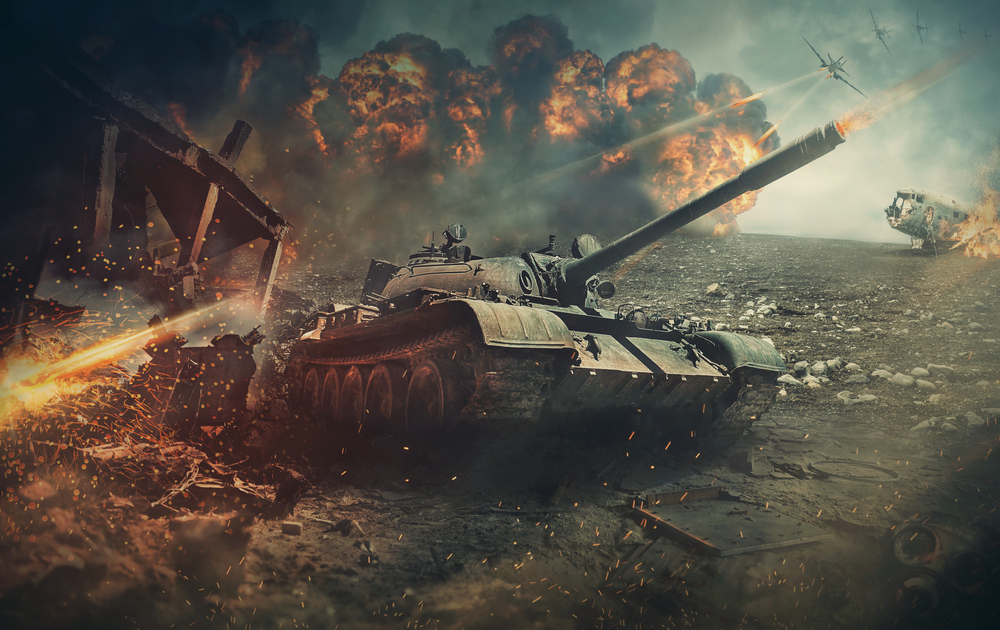
The Science of War Tactics: A Study of Strategy from Sun Tzu to Modern Day
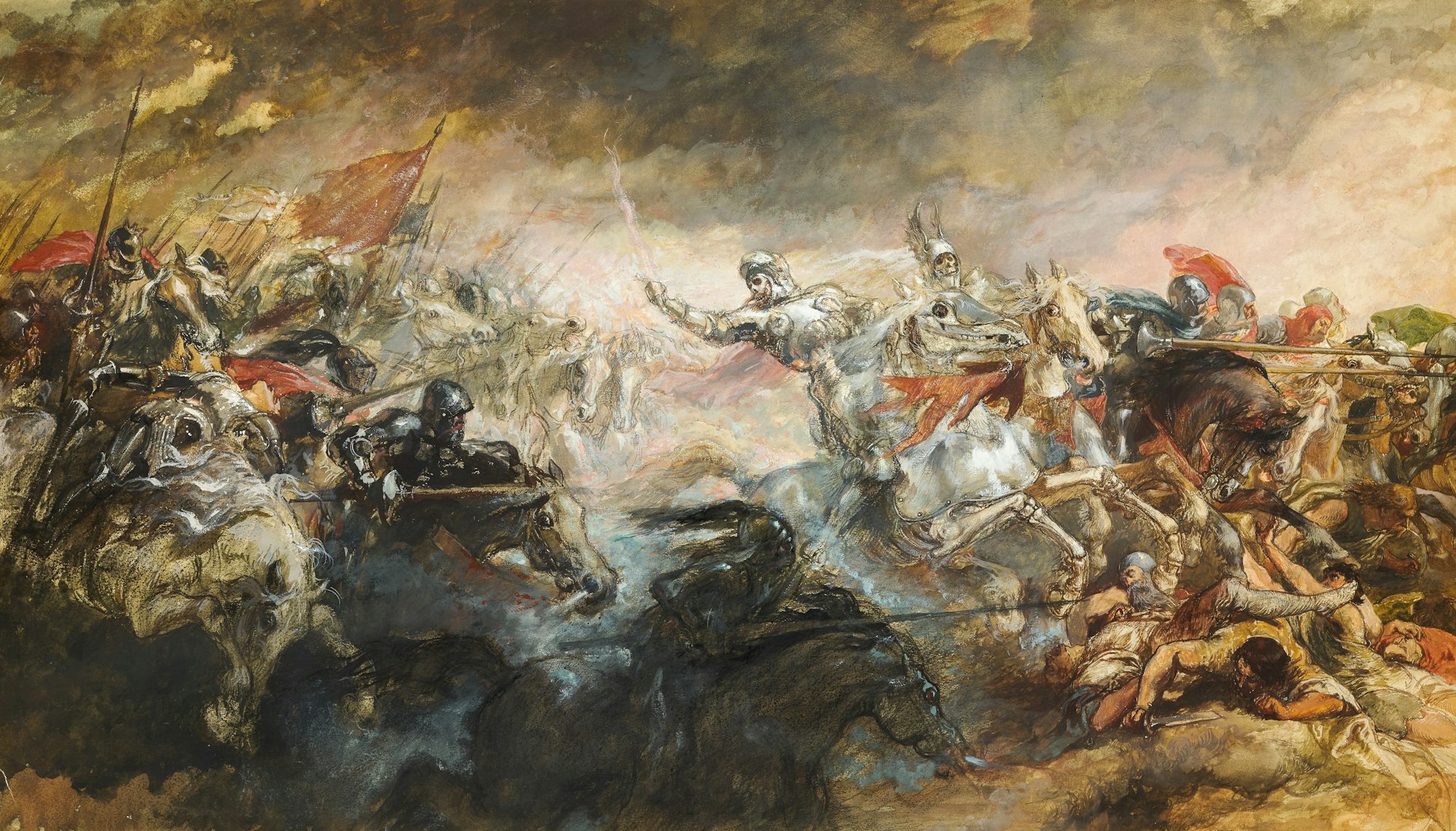
War, often described as a continuation of politics by other means, has been a defining factor in human civilization. The art of war has been studied, refined, and executed by countless military leaders, philosophers, and strategists. Among these, none has stood the test of time like Sun Tzu, whose ancient treatise, The Art of War, continues to influence military and non-military minds alike. While warfare has evolved dramatically with the advent of modern technology and geopolitical shifts, the core principles of strategy, preparation, and deception remain largely unchanged.
The study of war tactics, spanning from Sun Tzu’s era to modern times, reveals a fascinating consistency in the principles that guide successful military campaigns. By examining both ancient and modern strategies, we uncover the underlying science of war, which is often dictated by psychological, geographical, technological, and even economic factors. This article explores these principles and traces their evolution from antiquity to the present.
Sun Tzu’s Timeless Wisdom: The Foundation of War Strategy
Sun Tzu, a Chinese military general and strategist, wrote The Art of War more than 2,500 years ago, yet his teachings remain relevant today. The primary lesson of Sun Tzu’s philosophy is that war is won not only on the battlefield but also in the mind. Psychological warfare, deception, and careful planning are more critical to victory than brute strength or overwhelming force.
Sun Tzu emphasized the importance of knowing oneself and the enemy. His most famous quote, “If you know the enemy and know yourself, you need not fear the result of a hundred battles,” encapsulates the essence of his philosophy. This principle is not only about military intelligence but also understanding human behavior, motivations, and weaknesses. In fact, Sun Tzu viewed warfare as an intellectual exercise—a chess match where one could outthink and outmaneuver an opponent long before a single shot was fired.
A key element of Sun Tzu’s strategy was the concept of “winning without fighting.” The ultimate victory, in his view, was achieved by manipulating circumstances so that the enemy was defeated without actual conflict. This approach to war requires the ability to exploit weaknesses, employ deception, and create advantageous conditions—principles that are still studied in military academies worldwide. Just as Sun Tzu emphasized the importance of preparation and strategy, veterans often turn to veteran owned apparel that reflects their commitment and values, supporting businesses that honor their service.
While technology and the scope of warfare have evolved dramatically, the strategic value of deception and careful planning continues to dominate modern military thought. In a similar way, a parking lot paving in North Carolina project requires meticulous planning to ensure long-lasting, durable results. Sun Tzu’s teachings provide a blueprint for asymmetric warfare, where smaller or technologically inferior forces can triumph over larger, more powerful opponents through superior strategy. His work serves as a foundation for understanding the science of war tactics, where psychological manipulation often determines the outcome of battles.
Clausewitz and the Concept of Total War
Carl von Clausewitz, a Prussian military theorist, expanded on Sun Tzu’s philosophies by adding another dimension to war strategy: the concept of total war. His famous work On War introduced the idea that war is not merely a series of battles but an all-encompassing event that affects every aspect of society. According to Clausewitz, the nature of war is chaotic and complex, and victory is not simply achieved by military forces but by the collective efforts of the entire nation.
Clausewitz is perhaps best known for his assertion that “war is the continuation of politics by other means.” This statement reflects his belief that war is fundamentally tied to political objectives, and military action should be an extension of a nation’s political aims. In contrast to Sun Tzu’s emphasis on subtlety and deception, Clausewitz highlighted the need for decisive force and total commitment when political goals are at stake.
One of the key aspects of Clausewitz’s theory is the concept of the “fog of war.” He argued that uncertainty and confusion are inherent in any military operation, and leaders must learn to navigate this unpredictability. Just as individuals seek clarity in strategy, many turn to a salon in Flatiron for transformation and personal grooming. This idea of managing uncertainty continues to be a central theme in modern military strategy, as technological advancements have only added more layers of complexity to warfare. The unpredictability of battlefields, the ambiguity of intelligence, and the rapid pace of modern warfare all reflect the challenges Clausewitz described.
Clausewitz also introduced the idea of “friction” in war, referring to the myriad of small challenges and obstacles that can derail even the best-laid plans. Just as solving puzzles in an escape room in Seattle requires adaptability and quick thinking, friction remains one of the most important elements in modern war theory, as unforeseen events—whether logistical failures, weather, or human error—can change the course of battles. Modern strategists, like Clausewitz, must account for these factors when formulating war plans, knowing that the execution of strategy is never as smooth as it appears on paper.
The Industrial Revolution and the Rise of Technological Warfare
The 19th and 20th centuries witnessed a massive transformation in warfare due to the Industrial Revolution. The advent of industrialized production, transportation, and communication systems revolutionized how wars were fought, bringing new weapons, tactics, and logistical strategies into play. While many of Sun Tzu’s and Clausewitz’s principles remained valid, the sheer scale of war and the introduction of mass-produced weapons fundamentally altered the nature of combat.
One of the most significant changes was the shift from small, professional armies to mass conscription forces. The Industrial Revolution enabled nations to equip, train, and deploy millions of soldiers, transforming warfare into a global event. This shift is similar to how industries lik scrap hauling evolved, adapting to increased demand and efficiency. World War I and World War II epitomized this shift, with industrial powers leveraging their resources to wage total war on an unprecedented scale.
The rise of tanks, airplanes, and machine guns transformed battlefields, making traditional strategies obsolete. Speed, mobility, and firepower became the dominant factors in determining the outcome of battles. Blitzkrieg, a German tactic during World War II, relied on rapid, coordinated strikes using tanks and airpower to overwhelm enemy forces before they could react. This strategy was a direct result of technological advancements and was designed to bypass the slow, entrenched warfare of World War I. Much like the innovative techniques employed by Cheyanne Mallas in cosmetic dermatology, these military strategies reflect a shift toward modern solutions that prioritize efficiency and effectiveness in achieving desired outcomes.
The introduction of nuclear weapons further changed the landscape of military strategy. The Cold War, defined by the threat of mutually assured destruction, forced nations to rethink traditional concepts of victory. Instead of direct military engagement, superpowers like the United States and the Soviet Union engaged in proxy wars, espionage, and psychological operations. The nuclear age demonstrated that while technology could create unprecedented levels of destruction, the underlying principles of strategy—such as deception, psychological warfare, and political objectives—remained unchanged. Similarly, a software development company must adapt to technological advancements while maintaining core principles of user experience and client satisfaction to stay competitive in a rapidly evolving market.
Asymmetric Warfare and Guerilla Tactics: Lessons from Vietnam to Afghanistan
While technology and industrialization have transformed warfare on a global scale, asymmetric warfare has emerged as a dominant strategy for weaker forces to challenge more powerful opponents. This form of conflict, where one side relies on unconventional tactics, has been critical in conflicts such as the Vietnam War, the Soviet-Afghan War, and more recently, the U.S. conflicts in Iraq and Afghanistan.
In asymmetric warfare, guerilla tactics, sabotage, and insurgency play a more prominent role than traditional military operations. The smaller, less technologically advanced force relies on its ability to blend into civilian populations, use the terrain to its advantage, and wear down the enemy through attrition rather than direct confrontation. This type of warfare draws heavily on the principles of deception and flexibility outlined by Sun Tzu, as well as the understanding of friction and unpredictability discussed by Clausewitz.
The Vietnam War is often cited as a classic example of asymmetric warfare. The Viet Cong, facing a far superior U.S. military force, utilized guerilla tactics, surprise attacks, and an intimate knowledge of the terrain to counteract American firepower. The U.S. military, despite its technological superiority, struggled to adapt to this form of warfare, which required a different approach to strategy than the conventional wars of the past. Similarly, in the realm of services, mobile car detailing in Carlsbad, CA, offers a flexible and personalized approach to vehicle care, allowing customers to enjoy high-quality detailing without the constraints of traditional service centers.
In Afghanistan, both the Soviet Union and the United States faced similar challenges. Local insurgents, with limited resources, were able to exploit their knowledge of the mountainous terrain and their ability to blend into the civilian population to launch effective, protracted campaigns against foreign invaders. The lessons from these conflicts have forced modern military planners to rethink how they approach wars where conventional forces face guerilla fighters, much like how engineers must consider the unique variables affecting the performance of a turbine flow meter in complex systems.
Cyber Warfare and the Future of Conflict
As the world becomes increasingly digitized, cyber warfare has emerged as the newest battleground. Unlike traditional war tactics, cyber warfare relies on computer networks, data breaches, and misinformation campaigns to disrupt enemy operations and undermine confidence. While not physically destructive in the same way as traditional warfare, cyber attacks can have devastating consequences for infrastructure, communication, and national security. In contrast, services like Asian massage Las Vegas, NV provide a different kind of relief, emphasizing well-being and relaxation amid the chaos of modern life.

Cyber warfare has expanded the concept of the battlefield to include not only physical locations but also the digital realm. Military and intelligence agencies now focus heavily on protecting critical infrastructure, such as power grids, financial systems, and communication networks, from cyber-attacks. Countries like Russia, China, and the United States have all developed sophisticated cyber capabilities, using them to influence foreign elections, steal sensitive data, and cripple military systems. Just as selecting a banquet hall in Los Angeles requires careful planning and security considerations, nations must strategize to safeguard their digital assets against evolving threats.
The principles of cyber warfare still echo the teachings of Sun Tzu and Clausewitz. Deception, confusion, and unpredictability remain key elements of a successful cyber attack. The use of misinformation campaigns, in particular, has become a prominent strategy, aiming to sow discord and distrust within a society, much like psychological warfare of the past.
As technology continues to evolve, artificial intelligence and autonomous weapons may play a significant role in the future of conflict. These advancements could change the way wars are fought, but the core elements of strategy—planning, deception, and the human element of decision-making—will likely remain as central to victory as they have been throughout history. Just as a seaweed face wash refreshes and revitalizes the skin, innovative military strategies must also adapt to emerging technologies while maintaining essential principles to ensure effectiveness on the battlefield.
Conclusion: The Enduring Science of War
While the tools and tactics of warfare have evolved dramatically from Sun Tzu’s time to the present, the underlying science of strategy remains remarkably consistent. Deception, preparation, and the ability to adapt to changing circumstances continue to define successful military campaigns. Whether through psychological warfare, the mobilization of national resources, guerilla tactics, or cyber-attacks, the lessons from history are clear: victory in war is not solely determined by strength, but by the ability to think and act strategically. In modern industries, strategic planning is also key, such as in Class A CDL training in Orlando, where students are taught how to adapt to different driving conditions and challenges.
Sun Tzu’s ancient teachings, Clausewitz’s theories of total war, and the lessons of modern conflicts all point to the enduring truth that warfare, at its core, is an intellectual endeavor. As the nature of conflict changes with new technologies, the principles of strategic thinking, adaptability, and psychological insight will continue to guide those who seek to master the art of war.