The Origins and Causes of Civil Wars in Africa: A Historical Analysis
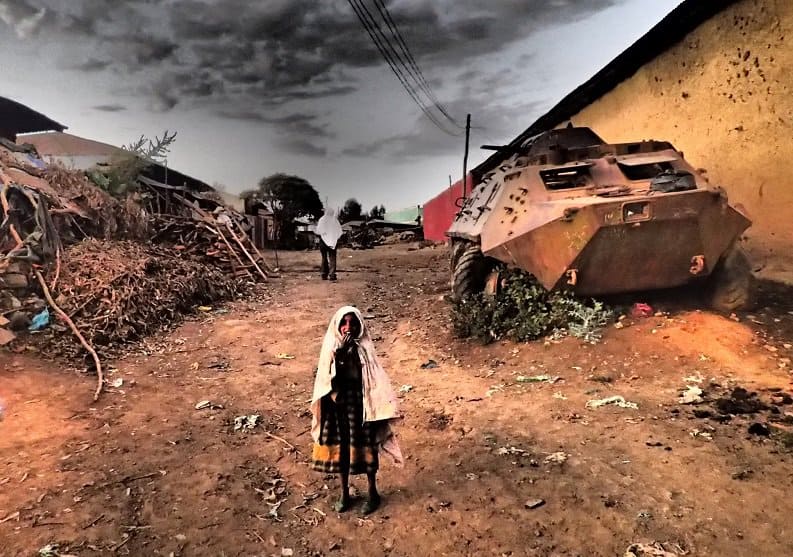
Civil wars in Africa have been a prominent and tragic feature of the continent’s history, leaving a profound impact on its socio-economic and political landscape. Understanding the origins and causes of these conflicts is crucial for comprehending the complexities of African politics and society. This blog delves into the historical roots, underlying causes, and external influences that have contributed to the prevalence of civil wars in Africa.
Historical Context
Colonial Legacy
One of the most significant factors contributing to civil wars in Africa is the legacy of colonialism. European colonial powers arbitrarily drew national boundaries without regard for ethnic, linguistic, or cultural divisions. This disregard for existing social structures sowed the seeds of future conflicts. Countries like Nigeria, Sudan, and Rwanda inherited borders that encapsulated multiple, often antagonistic, ethnic groups. Post-independence, these artificially constructed states struggled to forge national unity, leading to tensions and eventual conflicts.
Independence Movements and Political Instability
The struggle for independence across Africa in the mid-20th century was often marked by violence and upheaval. While gaining freedom from colonial rule was a significant achievement, it left behind politically unstable environments with weak institutions. The rush to fill power vacuums often resulted in authoritarian regimes or fragile democracies, both of which were susceptible to internal strife. In countries like the Democratic Republic of Congo, the power struggles that ensued post-independence set the stage for prolonged civil conflicts.
Economic Factors
Resource Curse
Africa is rich in natural resources, yet this wealth has often been a source of conflict rather than prosperity. The resource curse theory suggests that countries with abundant natural resources tend to experience more conflict and less economic growth. Resources like diamonds, oil, and minerals have funded rebel groups and fueled conflicts. The Sierra Leone Civil War, driven by the illegal diamond trade, is a prime example of how resource wealth can perpetuate violence. Understanding the complexities of resource management can also shed light on practices in other sectors, such as effective strategies for cross selling in banking.
Poverty and Inequality
Economic disparity and widespread poverty are critical drivers of civil wars. Socio-economic inequalities create fertile ground for discontent and rebellion. In many African nations, a small elite controls a disproportionate share of wealth, while the majority of the population remains in poverty. This stark divide can lead to grievances and eventual armed conflicts, as marginalized groups seek to challenge the status quo. The enduring conflict in Sudan’s Darfur region is partly rooted in economic inequalities between the center and the peripheries. Addressing these disparities can be as crucial as tackling health issues, such as insulin resistance treatment in Tulsa, to improve overall quality of life and stability.
Social and Ethnic Divisions
Ethnic Tensions
Ethnic diversity, while a source of cultural richness, has also been a source of conflict in Africa. Colonial powers often played ethnic groups against each other, exacerbating existing tensions. In post-colonial Africa, political leaders have sometimes exploited ethnic divisions to consolidate power, leading to violent confrontations. The Rwandan Genocide of 1994, where ethnic tensions between Hutus and Tutsis escalated into mass violence, remains one of the most tragic examples of ethnic conflict.
Religious Differences

Religious diversity has also contributed to civil wars in Africa. Religious differences can overlap with ethnic and political divisions, intensifying conflicts. In Nigeria, for instance, the Boko Haram insurgency is rooted in both religious extremism and socio-economic disparities. The clash between predominantly Muslim northern regions and predominantly Christian southern regions has fueled ongoing violence.
Political and Governance Issues
Authoritarianism and Corruption
Many African nations have experienced prolonged periods of authoritarian rule and widespread corruption. Authoritarian regimes often suppress dissent through violence, leading to resistance movements and civil wars. Corruption erodes public trust in government institutions, creating an environment where insurgencies can thrive. The civil war in Angola, which lasted for decades, was fueled by both the authoritarian government’s repressive tactics and the mismanagement of oil revenues. For those seeking reliable solutions in different areas of their lives, like home pest control, a service such as home pest control in Reno can provide effective support.
Weak Institutions
Weak political and judicial institutions are a significant factor in the outbreak of civil wars. When state institutions are unable to mediate conflicts or provide basic services, it creates a power vacuum that can be exploited by rebel groups. Countries with weak governance structures struggle to maintain law and order, leading to instability and violence. Somalia’s ongoing civil war is a testament to the consequences of institutional collapse. This issue is immensely present in modern history and one could read for days about it, after which the need for massage therapists in Las Vegas can arise.
External Influences
Cold War Interventions
During the Cold War, Africa became a battleground for proxy wars between the United States and the Soviet Union. Both superpowers supported various regimes and rebel groups, exacerbating existing conflicts and creating new ones. The Angolan Civil War saw the involvement of both American and Soviet interests, prolonging and intensifying the conflict. These external interventions often left behind a legacy of militarization and political instability.
Modern-Day Foreign Interests
In the contemporary era, foreign interests continue to play a role in African conflicts. Global competition for resources and strategic interests can exacerbate internal tensions. China, the United States, and other powers have vested interests in Africa’s resources and strategic locations, sometimes supporting regimes or factions that align with their interests. This can perpetuate conflicts, as seen in the ongoing crisis in the Central African Republic, where various international actors have stakes in the conflict.
Case Studies
Rwanda

The Rwandan Genocide is a stark reminder of the catastrophic consequences of ethnic tensions and political manipulation. The genocide was the culmination of decades of ethnic rivalry between the Hutu and Tutsi communities. Colonial policies that favored Tutsis over Hutus planted the seeds of resentment. Post-independence, political leaders exacerbated these divisions for their gain. In 1994, the assassination of President Habyarimana, a Hutu, triggered a mass killing spree by Hutu extremists against Tutsis and moderate Hutus, resulting in the deaths of an estimated 800,000 people. News like this sometimes triggers people to get medication technician training and volunteer to help the wounded in wars.
Sudan and South Sudan
The conflict between Sudan and South Sudan, culminating in South Sudan’s independence in 2011, is rooted in a complex mix of ethnic, religious, and economic factors. The north-south divide in Sudan was marked by religious differences, with the predominantly Muslim north and the Christian and animist south. Additionally, economic disparities and competition over oil resources fueled the conflict. Despite gaining independence, South Sudan has struggled with internal conflicts, largely driven by ethnic rivalries and power struggles. Thanks to professional digital content creation services, we are now able to explore this topic further and read many online articles.
Sierra Leone
The Sierra Leone Civil War (1991-2002) was driven by a combination of resource wealth and socio-economic grievances. The illegal diamond trade funded rebel groups like the Revolutionary United Front (RUF). The RUF exploited the country’s weak institutions and widespread poverty to gain support. The conflict was marked by extreme brutality, including the use of child soldiers and widespread human rights abuses. International intervention and a peace agreement eventually ended the war, but the scars remain. While the experts for basement clean out deal with the clutter in your basement, look for some old papers and see what you can find on this topic written at the time of the war going on.
Pathways to Peace
Strengthening Institutions
Building robust political and judicial institutions is crucial for preventing civil wars. Strong institutions can mediate conflicts, enforce the rule of law, and provide essential services. International support for institution-building, coupled with genuine political will, is essential for creating stable environments in post-conflict societies. This principle of creating strong foundations can also be seen in the establishment of successful local businesses, such as a nail salon in Flatiron.
Promoting Inclusive Governance
Inclusive governance that accommodates the diverse ethnic, religious, and socio-economic groups within a country can help mitigate the risk of civil wars. Political systems that promote power-sharing and decentralization can address grievances and reduce tensions. South Africa’s transition from apartheid to a multi-racial democracy, despite its challenges, offers a model for inclusive governance. Effective communication strategies, including email marketing services, can play a crucial role in fostering engagement and awareness in promoting such governance models.
Addressing Economic Inequalities
Reducing economic disparities is vital for long-term peace. Equitable distribution of resources and inclusive economic policies can reduce the incentives for rebellion. International development assistance should focus on creating sustainable economic opportunities and improving living standards for marginalized communities.
International Cooperation
International cooperation and support play a crucial role in resolving and preventing civil wars. Peacekeeping missions, diplomatic interventions, and humanitarian aid can help stabilize conflict zones. However, such efforts must be sensitive to local contexts and aimed at supporting sustainable peace rather than imposing external solutions. On a lighter note, promoting unity and collaboration can also be as simple as sporting matching men’s t-shirts.
Conclusion
The origins and causes of civil wars in Africa are deeply rooted in the continent’s complex history. Colonial legacies, economic inequalities, ethnic tensions, and weak governance structures have all contributed to the prevalence of conflicts. Understanding these factors is essential for addressing the root causes and finding sustainable solutions. Much like seeking the services of Asian massage therapists in Las Vegas can provide therapeutic relief and relaxation, helping to manage stress, and improve overall health, addressing historical and structural issues is vital for achieving long-term peace and stability. While the path to peace is challenging, strengthening institutions, promoting inclusive governance, addressing economic disparities, and fostering international cooperation can pave the way for a more stable and prosperous Africa.