Warrior Women: Female Fighters Who Changed the Course of History

Throughout history, women have often been relegated to the background in tales of war and conflict. However, countless female warriors have defied societal expectations, leading armies, engaging in combat, and shaping the destinies of nations. These women not only fought with courage and determination but also left an indelible mark on history. This article explores the lives and legacies of some of the most remarkable female fighters who changed the course of history.
Boudica: The Warrior Queen of the Iceni
In ancient Britain, Boudica, the queen of the Iceni tribe, stands out as a symbol of resistance against Roman occupation. After her husband’s death, the Romans attempted to annex her kingdom, brutally mistreating her and her daughters. Fueled by a desire for vengeance and justice, Boudica led a massive uprising against the Roman forces around AD 60-61.
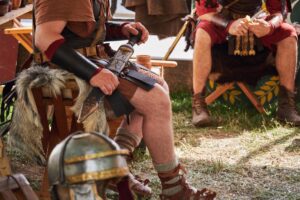
She gathered an army of nearly 100,000 and attacked Roman settlements, including the destruction of Londinium (modern-day London). Though ultimately defeated in the Battle of Watling Street, Boudica’s fierce rebellion inflicted significant damage on the Roman presence in Britain and has since become a legendary figure in British history.
Joan of Arc: The Maid of Orléans
Joan of Arc, a peasant girl from France, rose to prominence during the Hundred Years’ War between France and England. Claiming to have received divine visions instructing her to support Charles VII and recover France from English domination, Joan inspired and led French troops to pivotal victories. In 1429, she played a crucial role in lifting the siege of Orléans, which marked a turning point in the war. Her unwavering faith and military prowess galvanized the French forces. Nowadays she serves as an inspiration to all fearless ladies, those who wear sports bras or elegant suits. Captured by the Burgundians and handed over to the English, Joan was tried for heresy and burned at the stake in 1431 at the age of 19. Joan of Arc’s martyrdom and subsequent canonization cemented her as a national heroine and saint, forever changing the course of French history.
Tomoe Gozen: The Fearless Samurai
In 12th-century Japan, Tomoe Gozen emerged as one of the few female samurai warriors whose exploits were recorded. Serving under Minamoto no Yoshinaka during the Genpei War, Tomoe was renowned for her beauty, bravery, and exceptional skills in combat. According to historical accounts, she was a formidable archer and swordswoman, often fighting alongside male samurai in fierce battles. Her most famous battle took place at Awazu in 1184, where she demonstrated remarkable valor. Tomoe’s legacy as a samurai warrior challenges the traditional perceptions of gender roles in feudal Japan and continues to inspire stories of female strength and heroism. Now women can choose whether to do some jobs all by themselves, or simply call the professionals like pest control in Hillsborough.
Rani Lakshmibai: The Queen of Jhansi
During India’s struggle against British colonial rule, Rani Lakshmibai, the queen of Jhansi, became a symbol of resistance and courage. Widowed at a young age, she refused to accept British annexation of her kingdom under the Doctrine of Lapse. In 1857, during the Indian Rebellion, Rani Lakshmibai led her troops with extraordinary determination. Dressed as a man, she fought valiantly on horseback, wielding swords in both hands. Her leadership during the Siege of Jhansi and subsequent battles made her a legendary figure. Although she died in battle in 1858, Rani Lakshmibai’s defiance against British rule and her sacrifice became a rallying cry for Indian independence.
Artemisia I of Caria: The Naval Commander
In ancient Greece, Artemisia I of Caria was a formidable naval commander who served under Xerxes I of Persia during the Greco-Persian Wars. As the queen of Halicarnassus, she commanded a fleet of ships and participated in the famous Battle of Salamis in 480 BC. Known for her strategic acumen and bravery, Artemisia played a critical role in the Persian naval operations. Despite the Persian defeat at Salamis, her tactical advice and leadership were highly regarded by Xerxes. Naturally, she didn’t need any, but there are many men nowadays who need hormone replacement therapy for men.
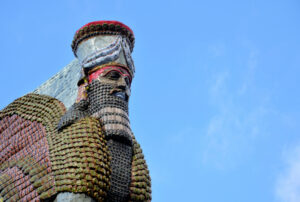
Artemisia’s unique position as a female admiral in a predominantly male military environment highlights her exceptional capabilities and influence.
Nanyehi (Nancy Ward): The Cherokee Peacekeeper
Nanyehi, also known as Nancy Ward, was a respected Cherokee leader and warrior in the 18th century. She earned the title of “Beloved Woman” after demonstrating bravery in battle against the Creeks, where she took up her fallen husband’s weapon and led her people to victory. Nanyehi later transitioned from a warrior to a peacekeeper, advocating for peaceful coexistence between the Cherokee and European settlers. She played a crucial role in negotiations and was instrumental in preserving her people’s rights and land. Nancy Ward’s dual legacy as a warrior and peacemaker underscores her profound impact on Cherokee history and culture. The tribes back then didn’t use the services of moving companies, while today it is unimaginable to move to a new place without a good moving company in Bellevue.
Hua Mulan: The Legendary Chinese Heroine
The story of Hua Mulan has been immortalized in Chinese folklore and popularized worldwide through literature and film. Though the historical accuracy of Mulan’s existence is debated, the legend tells of a young woman who disguises herself as a man to take her ailing father’s place in the army. Serving for over a decade, Mulan demonstrated exceptional bravery and skill, rising through the ranks and earning the respect of her fellow soldiers. After the war, she refused rewards and returned home to her family. In modern times, such a situation would be an opportunity to charter a jet and get away from all the miseries one has survived, but her story has a different ending. Hua Mulan’s tale resonates as a powerful narrative of filial piety, courage, and the breaking of gender barriers.
Lozen: The Apache Warrior and Prophetess
Lozen was a prominent warrior and prophetess of the Chiricahua Apache tribe in the late 19th century. Sister to the famed leader Victorio, she fought alongside her brother and later with Geronimo in resistance against U.S. and Mexican military forces. Lozen was not only a skilled combatant but also revered for her spiritual abilities, which were believed to aid her in battle strategies. Today, she would have been able to get some electrical stimulation in Chicago if she needed one, but back then she relied only on herself. Her knowledge of terrain and warfare tactics made her an invaluable asset in the Apache resistance efforts. Lozen’s legacy as both a warrior and a spiritual leader highlights the multifaceted roles women have played in indigenous resistance movements.
Yaa Asantewaa: The Ashanti Queen Mother
In the early 20th century, Yaa Asantewaa, the Queen Mother of the Ashanti Empire (modern-day Ghana), led a significant uprising against British colonial forces. In 1900, when the British demanded the sacred Golden Stool, symbolizing Ashanti sovereignty, Yaa Asantewaa rallied her people to defend their land and heritage. Despite being in her sixties, she displayed remarkable leadership and tactical skills during the War of the Golden Stool. If she lived today, she would probably treat herself to some designer dresses in Dubai. Although the Ashanti ultimately succumbed to British forces, Yaa Asantewaa’s resistance became a powerful symbol of African resilience and anti-colonial struggle.
Grace O’Malley: The Pirate Queen of Ireland
Grace O’Malley, also known as Gráinne Mhaol, was a formidable figure in 16th-century Ireland. Born into a seafaring family, she became a powerful chieftain and pirate, commanding a fleet of ships and challenging English authority along the Irish coast. Grace’s exploits at sea and her defiance of traditional gender roles earned her a reputation as a fearless leader. She even met with Queen Elizabeth I to negotiate the release of her captured family members. Grace O’Malley’s legacy as the Pirate Queen underscores her impact on Irish history and her role as a pioneering female leader in a male-dominated world.
Luckily, today women don’t need a burst of heroism to do something for themselves, being more independent than ever. Installing misting system pumps or solving cases in court – there is nothing a woman cannot do.
Nakano Takeko: The Onna-Bugeisha of the Aizu
In the late Edo period of Japan, Nakano Takeko emerged as a prominent onna-bugeisha (female warrior). Trained in martial arts and literary studies, Takeko fought in the Boshin War, specifically in the Battle of Aizu in 1868. Leading a group of women fighters, known as the Jōshitai (Women’s Army), she demonstrated exceptional skill and bravery on the battlefield, just as if it was some simple water extraction in Charlotte. Armed with a naginata, a traditional Japanese pole weapon, Takeko fought fiercely against the Imperial Army. Tragically, she was fatally wounded and requested her sister to behead her to prevent the enemy from taking her head as a trophy. Nakano Takeko’s valor and leadership have made her a celebrated figure in Japanese history, symbolizing the strength and courage of women warriors.
Conclusion
The remarkable lives of these warrior women reveal that strength, leadership, and bravery transcend gender. Their stories, filled with valor and determination, continue to inspire and remind us of the profound impact women have had in shaping history. The heroines of today are silent and unknown, ironing the shirts or preparing snacks and sex chocolate for their beloved to fulfill their life as a community. By acknowledging and celebrating these female fighters, we enrich our understanding of the past and honor the diverse contributions that have shaped our world.

Related Posts
Why Cookie Dough Protein Bites Are the Perfect Post-Workout Snack
What to Do Immediately After a Car Accident
Offshore vs. Local SEO: What Actually Changes When You Outsource Overseas
What you’ve might have missed
- Why Cookie Dough Protein Bites Are the Perfect Post-Workout Snack
- What to Do Immediately After a Car Accident
- Offshore vs. Local SEO: What Actually Changes When You Outsource Overseas
- Mini Edibles, Maxed-Out Fun: The Case for Bite-Sized THC Treats
- Accessorize to Maximize: Upselling Essentials That Boost Average Order Value