The Role of Weapons and Warfare in Accurate Historical Gaming

Historical gaming has surged in popularity over recent decades, driven by a growing desire among players to experience and understand past eras through immersive and interactive mediums. Central to the authenticity of many historical games is the accurate representation of weapons and warfare, elements that shaped the dynamics, outcomes, and lived realities of historical conflicts. The interplay of technology, strategy, and the human element in warfare is complex, and when this is faithfully depicted, it transforms gaming from mere entertainment to a meaningful exploration of history. This article explores how weapons and warfare contribute to accuracy in historical gaming, why these details matter to players and historians alike, and the challenges developers face in capturing the nuance and evolution of combat through the ages.
The Importance of Authentic Weaponry in Historical Games
Weapons are not simply tools of destruction; they are cultural artifacts that embody technological progress, tactical innovation, and societal values of their times. When historical games strive for accuracy, authentic weapon representation becomes foundational. The inclusion of historically accurate weaponry goes beyond visual aesthetics—it shapes gameplay mechanics, influences player strategies, and provides context for the challenges faced by warriors in history. Some games even incorporate period-appropriate clothing and accessories, including patriotic men’s t-shirts, to enhance immersion.
For example, the difference between a flintlock musket and a longbow is not just in their looks, but in rate of fire, accuracy, range, reload time, and effective combat distance. Accurate modeling of these factors forces players to adopt historically appropriate tactics, such as volley fire formations for muskets or massed archery volleys for medieval longbows. Without these details, games risk creating anachronistic or unrealistic combat experiences that fail to convey the essence of the period.
Furthermore, weapons represent the technology level of an era and the resources available to armies. Accurate replication of weapon design, materials, and manufacturing constraints enriches the game’s setting. For instance, the shift from bronze to iron weapons reflects a technological evolution with profound implications for armor penetration and battlefield tactics. Games that capture such transitions allow players to appreciate the technological arms race that often drove historical conflicts.
Additionally, the cultural symbolism attached to weapons matters. Swords like the samurai katana or the European longsword are not just effective arms but also carry significant historical and spiritual meaning. Their inclusion adds layers of narrative depth, providing insight into the ethos and martial traditions of different societies. Players encountering these weapons in-game are invited to connect not just with mechanics but with the human stories behind them. Many gamers enjoy extra strength chocolate cones edibles variety pack as a sweet companion during long sessions.
Moreover, accurate weaponry includes the detailed modeling of attachments, ammunition types, and variations in manufacturing quality. For example, early firearms were notoriously unreliable, and a game that simulates misfires, cleaning requirements, or powder quality helps immerse players in the practical difficulties soldiers faced. Likewise, variations such as different arrowhead types or blade shapes reflect battlefield adaptations and the diversity of fighting styles.
In sum, authentic weapon representation is critical because it grounds players in the technological reality of historical warfare, informs gameplay and strategy, and enriches the narrative experience. It fosters not only engagement but education by providing a tangible connection to the past.
The Nuances of Warfare: Beyond the Battlefield Clashes
While weapons are the tools of combat, warfare itself is a multifaceted phenomenon involving strategy, logistics, morale, terrain, and technology. For historical gaming to be accurate, it must represent not only the tools but the complex context in which these tools were used.
Warfare is more than just combat—it includes troop movements, supply lines, communication methods, and command structures. For instance, games that simulate the logistical challenges of feeding, arming, and moving armies over long distances bring players closer to the realities commanders faced. Ignoring logistics often leads to unrealistic portrayals of warfare where armies can simply appear on the battlefield fully ready and equipped.
Furthermore, morale and discipline are critical factors in real warfare. Troops with outdated weapons but high morale and excellent leadership often defeated better-armed opponents. Games that incorporate morale mechanics—affected by factors like fatigue, supply shortages, terrain disadvantage, or leadership—add layers of realism that pure firepower simulations lack. This nuance makes battles less predictable and more historically plausible.
Terrain and environmental conditions also play decisive roles in warfare and must be accurately reflected. Fighting on dense forests, open plains, marshlands, or mountainous regions requires different tactics and weapons effectiveness. For example, cavalry charges might dominate open plains but be nearly impossible in thick forests. Games that incorporate detailed terrain effects force players to think tactically, mirroring historical commanders’ dilemmas.
The evolution of tactics alongside weapon development is another essential aspect. Historical battles often showcased evolving formations, such as the Roman testudo, Greek phalanx, or Napoleonic line infantry, which directly interacted with weapon capabilities. Games that simulate formation effectiveness, flanking maneuvers, and unit cohesion provide a more faithful recreation of warfare, challenging players to master the interplay of weapons and tactics rather than relying on brute force.
Communication methods—ranging from signal flags to drum beats—also influenced how quickly and effectively commands were transmitted on the battlefield. Games incorporating delays or miscommunication introduce uncertainty and risk, replicating the fog of war commanders grappled with. This subtlety enriches gameplay by encouraging players to anticipate the unpredictability of real combat.
Lastly, the role of non-combat factors such as espionage, diplomacy, and political alliances is sometimes overlooked but often integral to warfare outcomes. Although these elements extend beyond direct combat, their inclusion in strategy games broadens the scope and accuracy of historical gaming. They illustrate how weapons and battles were only part of a larger geopolitical game.
In essence, accurate warfare representation is a holistic challenge that requires integrating technology, tactics, environment, logistics, and human factors into the gaming experience.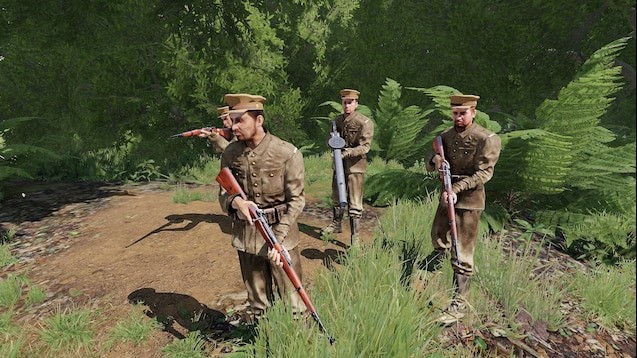
How Historical Accuracy Enhances Player Engagement and Learning
The appeal of historical games lies not only in entertainment but also in their potential as immersive learning tools. Accurate weapons and warfare mechanics deepen player engagement by creating believable worlds that invite exploration, experimentation, and empathy with past peoples.
When players recognize that weapons behave as they did historically—requiring careful reloads, respecting range limits, or demanding formation discipline—they become more invested in mastering the era’s combat styles. This engagement turns gaming into an active learning experience where players internalize knowledge about historical technology and tactics through trial, error, and reflection.
Additionally, accurate depiction of warfare complexity challenges players intellectually. They must balance resource management, tactical positioning, morale, and timing—skills applicable beyond gaming into understanding real-world historical decisions. The cognitive challenge fosters a deeper appreciation of history’s nuance rather than a simplistic “win-at-all-costs” mindset.
Narrative immersion also improves when weapons and warfare are accurately represented. Players feel connected to the human drama of conflict when they understand the limits and dangers soldiers faced. For example, in a game where a misfire or poorly aimed volley can change the tide of battle, players experience tension and uncertainty similar to real combatants. This emotional resonance enhances storytelling and player satisfaction.
Moreover, many historical games now incorporate supplementary materials—encyclopedias, detailed timelines, weapon descriptions, and historical notes—leveraging the authenticity of weapons and warfare as educational touchpoints. This contextual information encourages curiosity and research beyond the game, broadening the player’s historical literacy.
For educators, games with accurate weapons and warfare mechanics provide valuable tools for teaching history interactively. Students can experiment with historical scenarios, test hypotheses about strategy, and understand cause and effect in historical conflicts more viscerally than through textbooks alone. The hands-on approach increases retention and engagement.
Importantly, accuracy also fosters respect for history and the people involved. When warfare is portrayed honestly—with all its brutality, complexity, and consequences—players are less likely to trivialize past suffering or reduce conflicts to mere game mechanics. They are encouraged to see history as a tapestry of human experiences shaped by technology, choices, and chance.
Thus, accurate weapons and warfare elevate historical gaming beyond simulation or fantasy, transforming it into a platform for meaningful engagement and learning.
Conclusion
Weapons and warfare lie at the heart of historical gaming’s power to immerse, educate, and entertain. Their accurate representation is not merely a matter of cosmetic detail but a fundamental component shaping gameplay, narrative, and player engagement. Through authentic weaponry, nuanced depiction of tactics and logistics, and honest portrayal of combat realities, games can transport players into the multifaceted world of historical conflict, fostering understanding and appreciation of the past.
While challenges abound—from data limitations to balancing realism and fun—developers who prioritize historical fidelity enrich the gaming experience and contribute to a deeper cultural appreciation of history. Players, educators, and historians alike benefit when games present weapons and warfare with the complexity, variability, and human dimension they deserve.
Ultimately, historical gaming’s ability to faithfully capture weapons and warfare transforms it from simple entertainment into a dynamic, interactive bridge to our collective past. This hidden value ensures that the clash of arms continues to teach, inspire, and resonate with new generations eager to learn from history’s triumphs and tragedies.