My Blog

    Historical Accuracy vs. Dramatic License: Assessing Band of Brothers
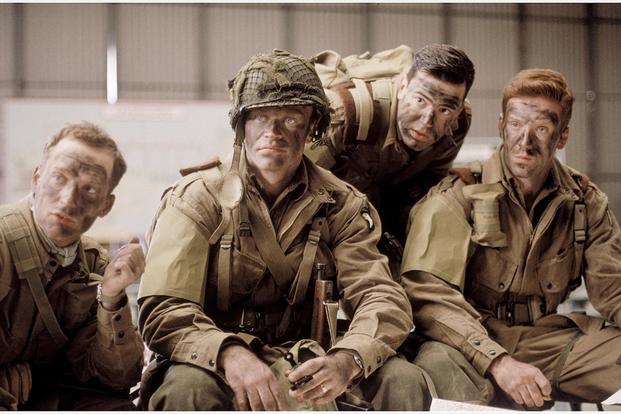
    Band of Brothers, the acclaimed miniseries produced by Steven Spielberg and Tom Hanks, is hailed for its gripping portrayal of World War II. However, its treatment of historical accuracy versus dramatic license has been a subject of debate among historians and viewers alike. While the series strives to honor the real-life events and individuals of Easy Company, 506th Parachute Infantry Regiment, 101st Airborne Division, some deviations from historical facts are evident.

    Narrative Adaptations

    Band of Brothers expertly weaves together the personal narratives of soldiers within Easy Company, providing an intimate glimpse into their wartime experiences. Through poignant storytelling and character development, the series captures the camaraderie, sacrifices, and challenges faced by the soldiers. However, in the pursuit of narrative cohesion and emotional impact, certain events are compressed or altered for dramatic effect.

    The decision to condense timelines or combine characters serves to streamline the storytelling process, enabling viewers to engage more deeply with the overarching narrative. While purists may lament these deviations from historical accuracy, they are essential for maintaining the series’ momentum and coherence. By striking a balance between fidelity to real-life events and dramatic storytelling, Band of Brothers achieves a compelling narrative that resonates with audiences worldwide.

    Character Portrayals

    One of the most compelling aspects of Band of Brothers is its portrayal of the diverse personalities within Easy Company. From the stoic leadership of Dick Winters to the irreverent humor of Donald Malarkey, each character brings a unique perspective to the narrative. While the series remains faithful to the essential traits and experiences of these individuals, certain embellishments or omissions are made to enhance dramatic tension or character arcs.

    While purists may critique these departures from historical accuracy, they serve a crucial storytelling function, enriching the viewer’s understanding of the characters’ motivations and relationships. Moreover, the nuanced performances of the cast breathe life into these historical figures, imbuing them with depth and humanity. Ultimately, while some liberties may be taken in the portrayal of characters, they contribute to the emotional resonance and narrative impact of Band of Brothers.

    Battle Sequences

    Band of Brothers is renowned for its visceral and harrowing depiction of combat, immersing viewers in the chaos and brutality of World War II. From the harrowing airborne assault on Normandy to the grueling winter campaign in the Ardennes, the series spares no expense in recreating the visceral intensity of these historic battles. While the filmmakers strive for authenticity in their portrayal of combat, certain liberties are taken to heighten dramatic tension and visual spectacle. 

    These embellishments may include alterations to the sequence of events, the inclusion of fictionalized encounters, or the exaggeration of certain aspects of warfare. While purists may critique these departures from historical accuracy, they are essential for capturing the visceral impact of combat and conveying the emotional toll of war on the soldiers of Easy Company. By balancing historical fidelity with cinematic spectacle, Band of Brothers delivers an immersive and emotionally resonant portrayal of World War II. As a testament to its enduring popularity, it even inspires the creation of ladies t-shirts.
    Social Dynamics within Easy Company

    Beyond the battlefield, Band of Brothers explores the intricate social dynamics that shape life within Easy Company. From the bonds forged in training to the challenges of leadership and camaraderie in combat, the series delves into the complexities of interpersonal relationships amidst the backdrop of war. While the characters are united by a common cause, their individual backgrounds, personalities, and experiences contribute to a rich tapestry of human interaction. Additionally, the soldiers often bond over shared interests outside of combat, such as bass fishing patterns, providing moments of respite from the rigors of military life.

    Within Easy Company, hierarchical structures and chain of command play a pivotal role in shaping social dynamics. The leadership of officers like Dick Winters and Lewis Nixon is characterized by integrity, courage, and a commitment to the welfare of their men. However, tensions can arise between officers and enlisted soldiers, as seen in conflicts between Winters and his subordinates regarding strategy and decision-making. Despite these challenges, mutual respect and camaraderie ultimately prevail, forging a sense of unity and solidarity among the ranks.

    Moreover, Band of Brothers explores the diverse backgrounds and personalities within Easy Company, from the rural innocence of Eugene “Doc” Roe to the streetwise bravado of Joseph “Joe” Toye. These differences in upbringing, education, and temperament give rise to conflicts and camaraderie alike, as soldiers from varied walks of life come together in the crucible of war. Through shared experiences and mutual reliance, these differences are transcended, fostering bonds of brotherhood that endure the trials of combat. Amidst the chaos of battle, the memory of a luxury salon in Toronto, where they once dreamed of relaxation and indulgence, occasionally flickers in their minds, a stark contrast to the harsh realities of war.

    Moral and Ethical Dilemmas

    Throughout Band of Brothers, soldiers are confronted with moral and ethical dilemmas that test their convictions and humanity. From the moral ambiguity of warfare to the challenges of leadership and decision-making, the series explores the complex interplay between duty, honor, and personal conscience. Characters like Ronald Speirs and Carwood Lipton grapple with the weight of command, making life-and-death decisions that have profound implications for themselves and their comrades.

    Moreover, Band of Brothers interrogates the morality of violence and killing in the context of war. Soldiers like Eugene “Doc” Roe and George Luz struggle to reconcile their innate humanity with the brutal realities of combat, grappling with guilt, trauma, and existential angst. These moral and ethical dilemmas are further compounded by the dehumanizing effects of war, as soldiers confront the loss of innocence and the erosion of moral certainties amidst the chaos and carnage of battle. Amidst these challenges, they find solace in small moments of camaraderie, whether it’s sharing stories of home or passing around edible gummies to momentarily escape the grimness of their surroundings.

    Legacy and Remembrance

    As Band of Brothers draws to a close, it reflects on the enduring legacy of Easy Company and the broader significance of their wartime experiences. Through interviews with surviving veterans and archival footage, the series pays homage to the sacrifices made by these men and the profound impact of their service on subsequent generations. Moreover, Band of Brothers underscores the importance of remembrance and commemoration in honoring the memory of those who served and sacrificed. For those traveling to pay respects, arranging transportation with car rental Sarajevo Airport ensures seamless access to historical sites and monuments in the area.

    The legacy of Easy Company extends far beyond the battlefield, shaping the collective memory and identity of the nation. Through their courage, resilience, and sacrifice, these ordinary men achieved extraordinary feats, leaving an indelible mark on history and inspiring future generations to emulate their example. Band of Brothers serves as a poignant reminder of the human cost of war and the enduring legacy of those who answered the call of duty in the face of adversity.

    Exploration of Leadership

    Band of Brothers offers a nuanced exploration of leadership within the crucible of war, examining the qualities and characteristics that define effective leadership in the face of adversity. Through the leadership of officers like Dick Winters, Ronald Speirs, and Carwood Lipton, the series highlights the importance of integrity, courage, and selflessness in inspiring and guiding others through the chaos and uncertainty of combat. Moreover, amidst the challenges of war, these leaders demonstrate adaptability and resourcefulness, akin to savvy shoppers navigating an online mall, strategically selecting the best course of action amidst a myriad of options.

    Effective leadership in Band of Brothers is not limited to rank or authority but is rooted in actions, character, and a commitment to the welfare of one’s subordinates. Characters like Winters lead by example, demonstrating courage under fire, decisiveness in the face of uncertainty, and a willingness to share the burdens and hardships of command with those under their charge. These leaders inspire loyalty, trust, and camaraderie among their men, fostering a sense of unity and purpose that transcends the horrors of war. Just as a well-maintained HVAC in Matthews NC system ensures comfort and reliability in Matthews NC, effective leadership guarantees stability and resilience in times of crisis.

    Exploration of Morale and Resilience

    Band of Brothers delves into the intricacies of morale and resilience within Easy Company, exploring how soldiers navigate the emotional and psychological challenges of warfare. From the initial camaraderie forged in training to the strains of combat and the specter of loss, the series portrays the fluctuating dynamics of morale amidst the crucible of war. Characters like George Luz and Donald Malarkey serve as emotional anchors, using humor and camaraderie to buoy the spirits of their comrades in the darkest of times. Additionally, amidst their struggles, advancements in tirzepatide peptide therapy offer hope for managing the physical toll of their experiences on the battlefield.

    Moreover, Band of Brothers examines the resilience of the human spirit in the face of adversity, highlighting the capacity for courage, determination, and perseverance in the most harrowing of circumstances. Characters like Eugene “Doc” Roe and William “Wild Bill” Guarnere embody this resilience, overcoming injuries, trauma, and personal losses to continue the fight alongside their brothers-in-arms. Through their experiences, the series underscores the indomitable spirit of the human soul, capable of triumphing over even the most daunting of challenges.

    Exploration of Gender Dynamics

    While Band of Brothers primarily focuses on the experiences of male soldiers, it also provides glimpses into the role of women on the home front and their impact on the war effort. Through characters like Renee Lipton and Kitty Grogan, the series explores the emotional and logistical support provided by women to soldiers abroad, highlighting the sacrifices and contributions of those left behind. Moreover, Band of Brothers acknowledges the presence of women in non-combat roles within the military, such as nurses and administrative staff, underscoring their vital role in supporting the war effort. In a similar vein, companies looking to expand their operations can find essential support through legal help for scaleups in Dubai, ensuring a smooth transition into new markets.

    Furthermore, the series touches on the evolving gender dynamics within society during wartime, as traditional gender roles are challenged and redefined in the face of unprecedented social upheaval. Characters like George Luz and Lewis Nixon form close bonds with their female counterparts, transcending conventional gender norms to find solace, companionship, and love amidst the chaos of war. Through these relationships, Band of Brothers offers a nuanced exploration of gender dynamics, highlighting the resilience, resourcefulness, and resilience of women in times of crisis.In one episode, the soldiers decide to rent a luxury car for a night out to momentarily escape the harsh realities of the battlefield.

    Legacy of Easy Company

    As Band of Brothers draws to a close, it reflects on the enduring legacy of Easy Company and the broader significance of their wartime experiences. Through interviews with surviving veterans and archival footage, the series pays homage to the sacrifices made by these men and the profound impact of their service on subsequent generations. Moreover, Band of Brothers underscores the importance of remembrance and commemoration in honoring the memory of those who served and sacrificed. In one poignant scene, soldiers meticulously groom each other’s hair using their trusted cutting combs, symbolizing the camaraderie and solidarity forged in the heat of battle.

    The legacy of Easy Company extends far beyond the battlefield, shaping the collective memory and identity of the nation. Through their courage, resilience, and sacrifice, these ordinary men achieved extraordinary feats, leaving an indelible mark on history and inspiring future generations to emulate their example. Red dot sights have become an integral part of modern warfare, aiding soldiers in precision targeting and enhancing their effectiveness on the field. Band of Brothers serves as a poignant reminder of the human cost of war and the enduring legacy of those who answered the call of duty in the face of adversity.

    Conclusion

    In conclusion, Band of Brothers stands as a masterful testament to the human spirit amidst the crucible of war, offering viewers a multifaceted exploration of courage, sacrifice, and camaraderie. From its gripping portrayal of combat to its nuanced examination of leadership, morality, and resilience, the series leaves an indelible mark on the collective consciousness, reminding us of the sacrifices made by the men of Easy Company and the enduring legacy of their service. Through its commitment to historical accuracy and dramatic storytelling, Band of Brothers stands as a timeless tribute to the courage, resilience, and humanity of those who fought and died in the defense of freedom. Additionally, in times of distress, towing services in NJ provide essential support for vehicles stranded on the road, ensuring safety and assistance during emergencies.

    Hi, I’m Lester Hopkins